Journal · 11 September 2026
How to Commission a Signet Ring You'll Treasure
Learn how to commission a signet ring, from choosing metal and shape to refining your engraving, fit and finish with expert guidance from a jeweller.
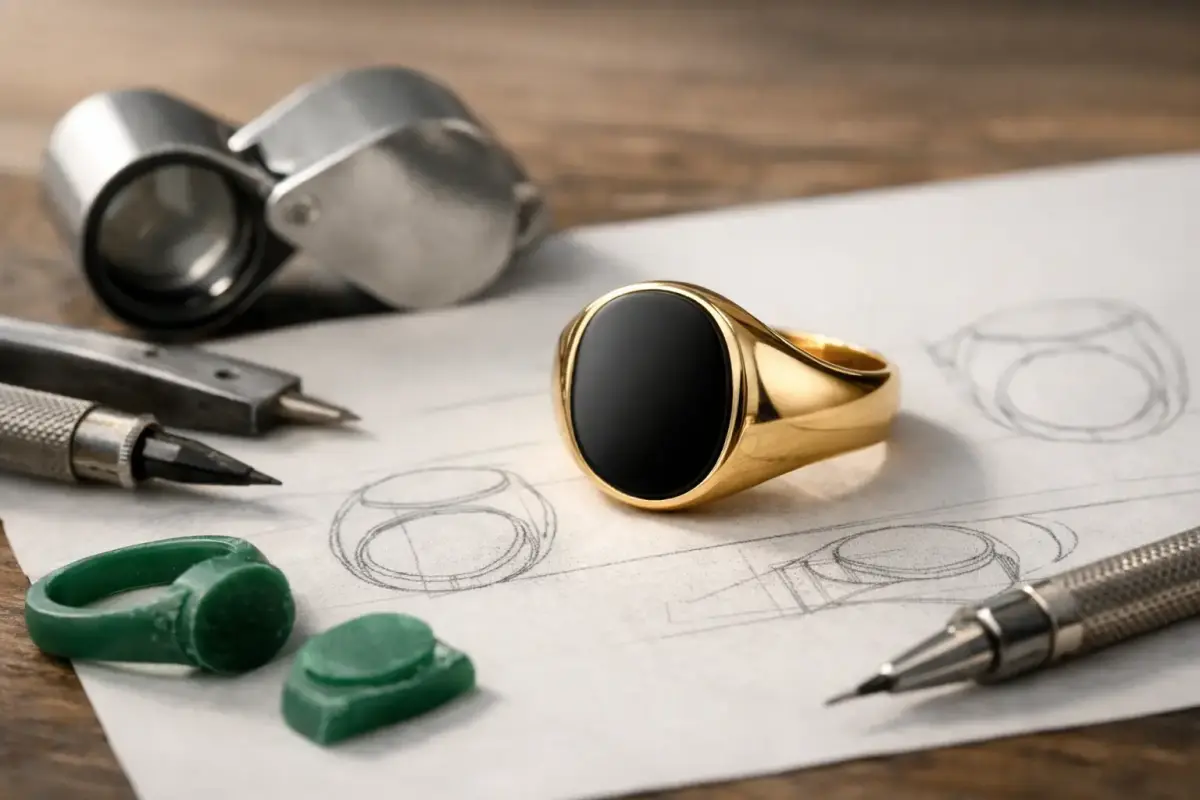
A signet ring is one of the few pieces of jewellery that becomes more personal with every year you wear it. Its face can carry a family crest, an initial, a private symbol or a design created solely for you. Understanding how to commission a signet ring means knowing which decisions will shape not only its appearance on the day you collect it, but the way it feels as part of your life for decades to come.
Unlike an off-the-shelf ring, a commissioned signet ring is made around your story, hand and style. The process should feel considered and enjoyable, with a jeweller guiding you through each choice without making the experience feel overly technical.
Begin with the meaning behind the ring
Before considering metal or engraving, decide what you would like the signet ring to represent. It may mark a graduation, a milestone birthday, a wedding, a new family chapter or an achievement you want to remember. For some, it is intended as an heirloom: a piece to pass down with a crest or monogram that connects generations.
The motif does not need to be traditional to be meaningful. A heraldic crest has enduring appeal, but initials, dates, handwriting, fingerprints, zodiac signs, a favourite flower or an abstract emblem can be equally distinctive. If the ring is a gift, consider whether the recipient would prefer an instantly recognisable initial or something more discreet and personal.
A good bespoke consultation starts with these conversations. They give the design direction before any decisions about proportions or finishing are made.
How to commission a signet ring in the right shape
The outline of the signet face has the greatest influence on its character. Traditional oval signet rings are soft, classic and particularly suited to a monogram or family crest. They work beautifully across many hand shapes and remain a popular choice for both men and women.
A cushion-shaped face, with gently rounded corners, feels substantial and timeless. It offers a generous area for an engraving while retaining a refined profile. Rectangular and square signet rings look more architectural, lending themselves to initials, geometric emblems and contemporary designs. A round face is often more understated, while a shield-shaped signet can bring a more historic, heraldic feel.
The correct shape depends partly on the artwork. A detailed coat of arms may need the space of an oval or cushion face, whereas a single letter can look striking on a smaller square design. It also depends on how the ring will be worn. A broad face creates a confident statement, but a slimmer profile may feel more comfortable for someone who uses their hands frequently or prefers quieter jewellery.
During a consultation, it is worth trying several shapes on rather than choosing from photographs alone. The same design can look entirely different once balanced against the width of your finger and the other jewellery you wear.
Choose a precious metal for daily wear
A signet ring is often worn every day, so the metal should suit both your aesthetic and your routine. Yellow gold is the enduring classic. Its warm colour gives engraved detail a rich, traditional appearance and develops a gentle patina over time. For many people, that evolving finish is part of a signet ring’s charm.
White gold offers a cooler, more contemporary look, especially when paired with clean initials or a modern emblem. It is commonly rhodium plated to maintain its bright white finish, which may need refreshing after years of wear. Platinum is naturally white, dense and prized for its weight and durability. It is a considered choice for a ring intended to endure constant wear, although it usually comes at a higher price point.
Rose gold has a softer, romantic tone and can make a familiar signet shape feel less formal. Its colour is particularly beautiful with floral motifs, personal handwriting or a simple monogram. Your jeweller can also advise on gold carat. A higher carat offers richer colour and a greater gold content, while 9ct gold can be a practical choice for those balancing budget with durability.
There is no single best metal. The right choice should reflect the wearer’s existing jewellery, budget and preference for either a polished, pristine look or a finish that gains character over time.
Create engraving that has real presence
The engraving is the heart of a signet ring. Traditional intaglio engraving cuts the design into the metal so that, when pressed into sealing wax, it produces a raised impression. This is the authentic historical method and remains a beautiful option for a family crest, coat of arms or monogram.
A seal engraving should normally be created in reverse so the wax impression reads correctly. This is a small but essential detail, particularly for lettering. If you are commissioning a ring primarily to wear rather than to seal correspondence, you may still choose intaglio for its depth and craftsmanship, or opt for a design engraved to be read directly on the ring.
For a family crest, provide the clearest reference material you can find. Old photographs, documents and existing seals can be useful, but the image may need refining so it translates cleanly at signet-ring scale. Fine lines and very intricate imagery can lose definition on a small face. An experienced jeweller will simplify where necessary without losing the character of the original design.
If your artwork is entirely new, think about what will remain meaningful in twenty years. An initial in an elegant typeface may feel as personal as a more elaborate illustration, and it gives the ring a calm, confident finish. Bespoke does not have to mean busy.
Get the proportions and fit right
A well-made signet ring should feel substantial without becoming cumbersome. The face size, shoulder width, band thickness and depth beneath the engraved panel must work together. A ring with a very large face and a narrow shank can feel unbalanced; equally, an excessively heavy band may be uncomfortable for everyday use.
Consider which hand and finger it will be worn on. The little finger is the classic placement, but signet rings also look elegant on the ring finger, index finger or middle finger. The intended finger affects the scale you may want. A smaller pinky signet can be discreet and traditional, while an index-finger signet can carry a bolder silhouette.
Accurate sizing matters, particularly with designs that have engraved shoulders or a continuous pattern. Fingers can change size with temperature, activity and time of day, so professional measuring is preferable. At Alan Bick, a bespoke consultation allows the fit and proportions to be considered in person, helping ensure the finished piece looks and feels right from the first wear.
It is sensible to discuss future resizing before production begins. Many plain shanks can be adjusted, but certain stone-set, heavily engraved or unusually shaped designs may be more limited. Knowing this in advance protects the integrity of the design.
Decide on the finish and any additional details
The final finish changes the personality of the ring. A high polish reflects light and gives gold or platinum a formal, luxurious presence. A satin or brushed finish is quieter and can be more forgiving of light surface marks from daily wear. Some clients choose a polished face with satin shoulders, creating subtle contrast around the engraving.
Gemstones can add another layer of symbolism. A signet ring may incorporate a diamond, birthstone, onyx or coloured gemstone either within the face or at the shoulders. This works best when the stone enhances rather than overwhelms the central design. A gemstone-set signet can be striking, but it requires careful setting and a practical understanding of how the ring will be worn.
You may also choose an inscription inside the band. A date, initials, short message or a few words in a loved one’s handwriting can turn the ring into a deeply private keepsake. Keep internal engraving concise, as the available space is limited and legibility matters.
Allow time for craftsmanship
A commissioned signet ring is not an item to rush. The design stage, approval of artwork, hand engraving or specialist production, hallmarking and finishing all require care. Timings vary depending on the complexity of the design, the chosen metal and whether bespoke artwork needs to be developed, so raise any fixed occasion or gifting date at your first appointment.
Ask to see a clear proposal before the ring is made. It should confirm the design, metal, ring size, engraving approach, finish and quoted price. This is the point to make refinements. Once engraving begins, changes can be more involved, especially on a detailed custom face.
A commissioned signet ring is ultimately made to be worn, not kept hidden for special occasions. Choose the design that feels true to the person who will wear it, then give it the care and attention it deserves. With thoughtful design and skilled craftsmanship, it can become the piece people notice now and the heirloom your family will recognise later.

Not sure where to start? Come and meet us over a single malt or a coffee, and try the rings on. We'll walk you through everything at your pace.
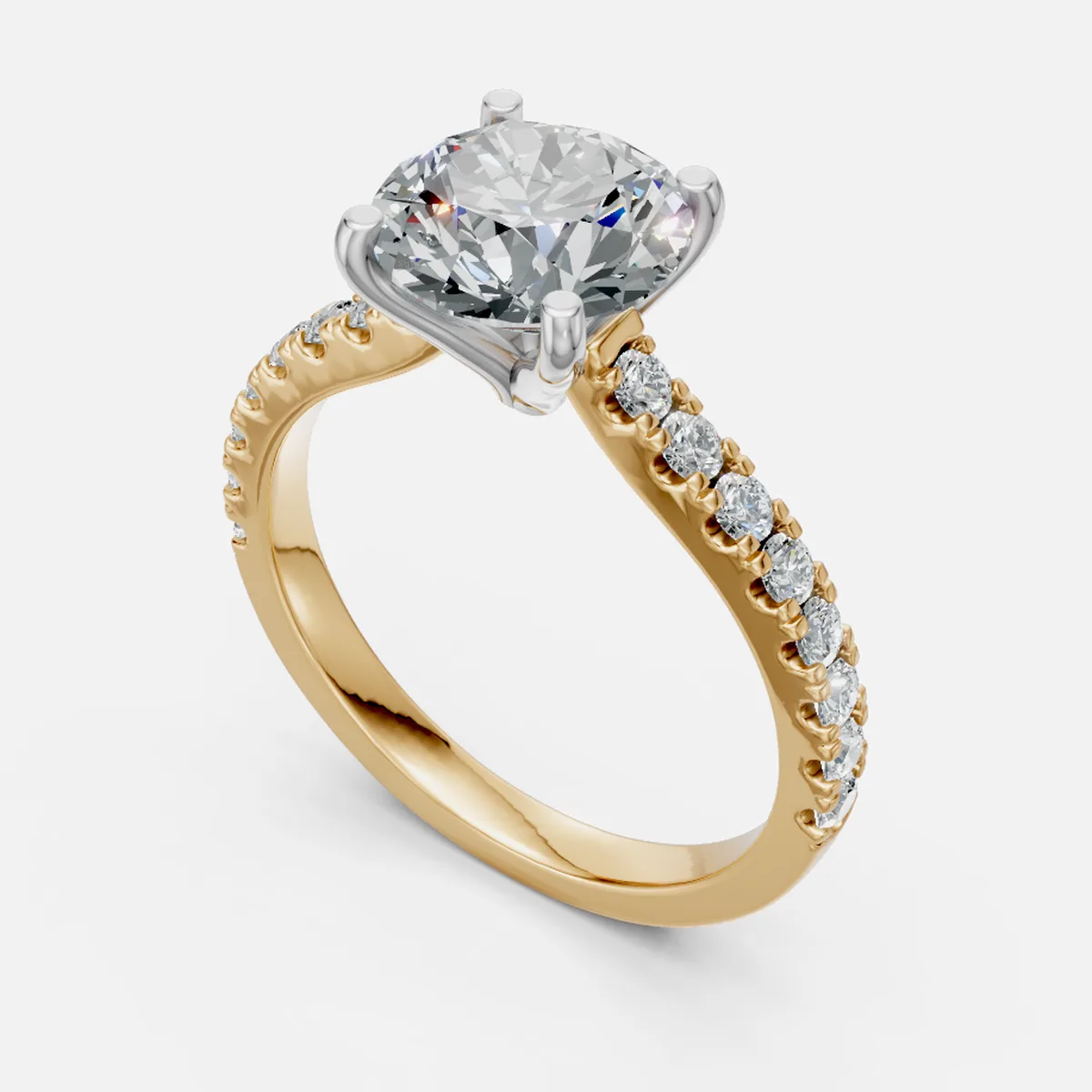
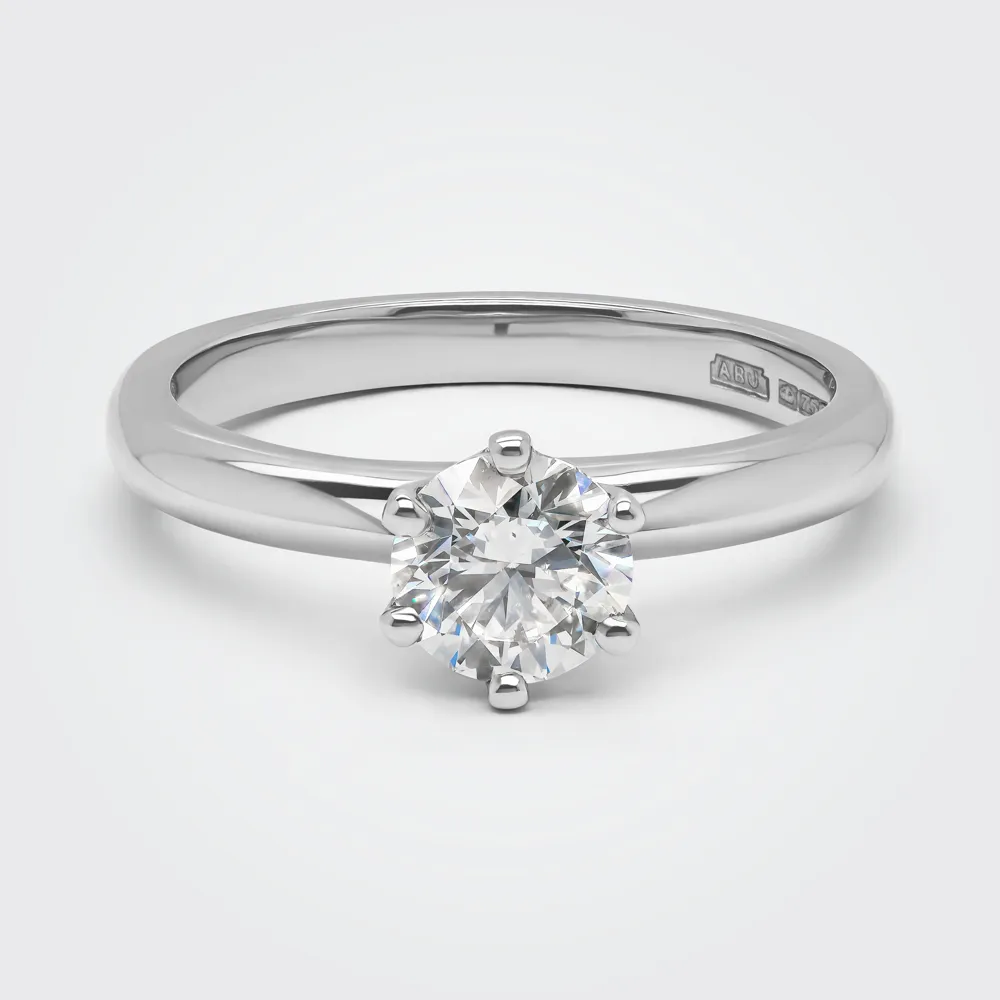
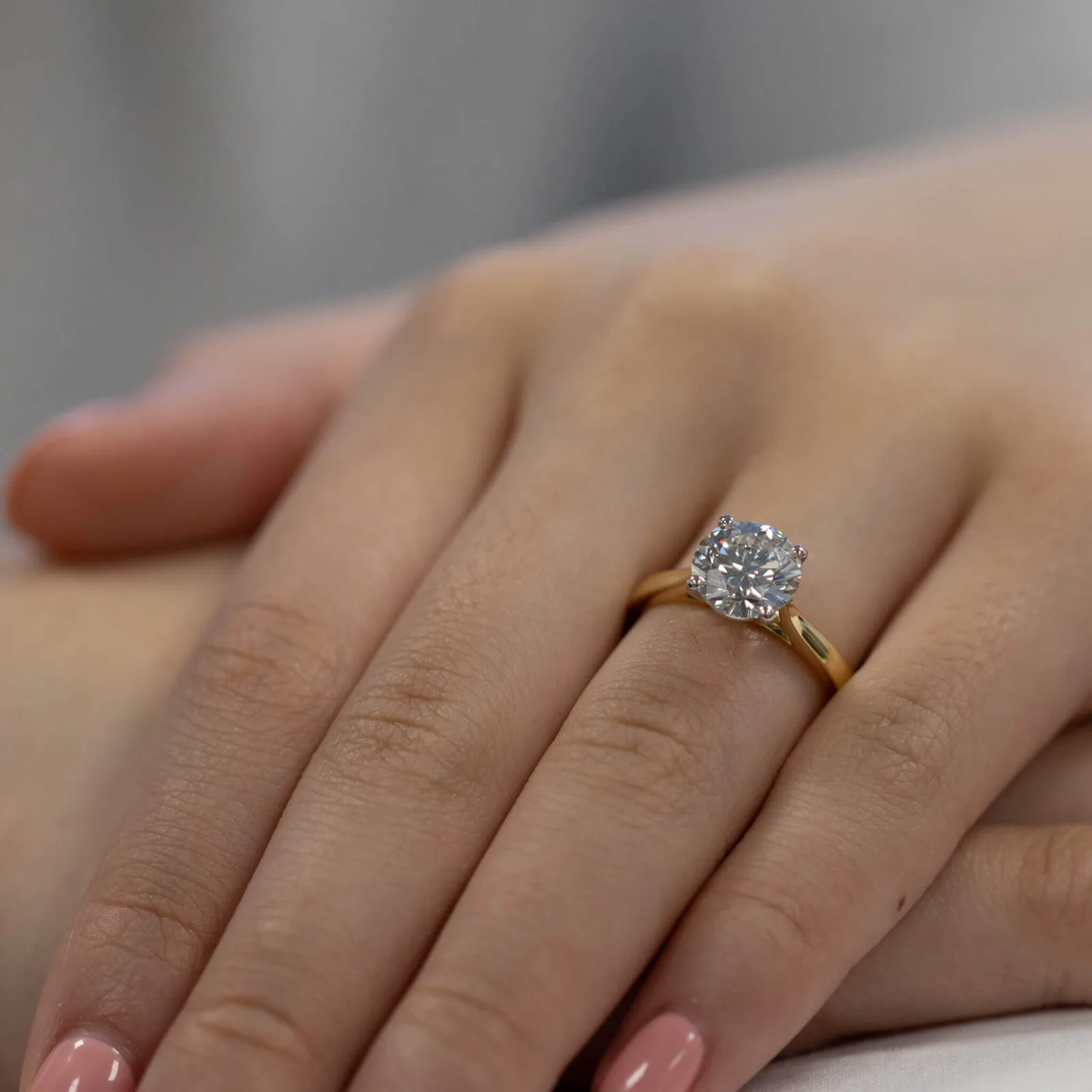
See them before you decide
Hatton Garden, on Ely Place, and King Street, Manchester. Looking for something to go with it? Wedding bands