Lab-Grown Diamond Rings in Hatton Garden, London
Is it worth buying lab grown diamonds?
Yes, if you want more size for your budget. A lab-grown diamond is made of the same carbon crystal as a natural one, and to the naked eye they look and sparkle the same. Lab-grown costs less, so your budget goes further on size, while a natural diamond offers the rarity of a stone formed by nature.
How we work with lab-grown and natural diamonds
We handcraft every engagement ring in our Hatton Garden workshops, leaving the choice of a lab-grown or natural diamond to you.
Both are diamonds, made of the same carbon crystal. Natural diamonds formed deep in the earth over billions of years, while lab-grown diamonds are grown in a laboratory in a matter of weeks. To the naked eye they look and sparkle the same, with every centre diamond supplied with an independent certificate confirming its size, colour and clarity.
The main difference is price and rarity. Lab-grown costs less, so your budget goes further on size, while natural diamonds offer the rarity of a stone formed by nature. We keep a wide range of both in every popular shape, so you can compare them side by side and choose what’s right for your ring.
Book a visit to compare lab-grown and natural diamonds side by side in Hatton Garden, London, or at King Street, Manchester.
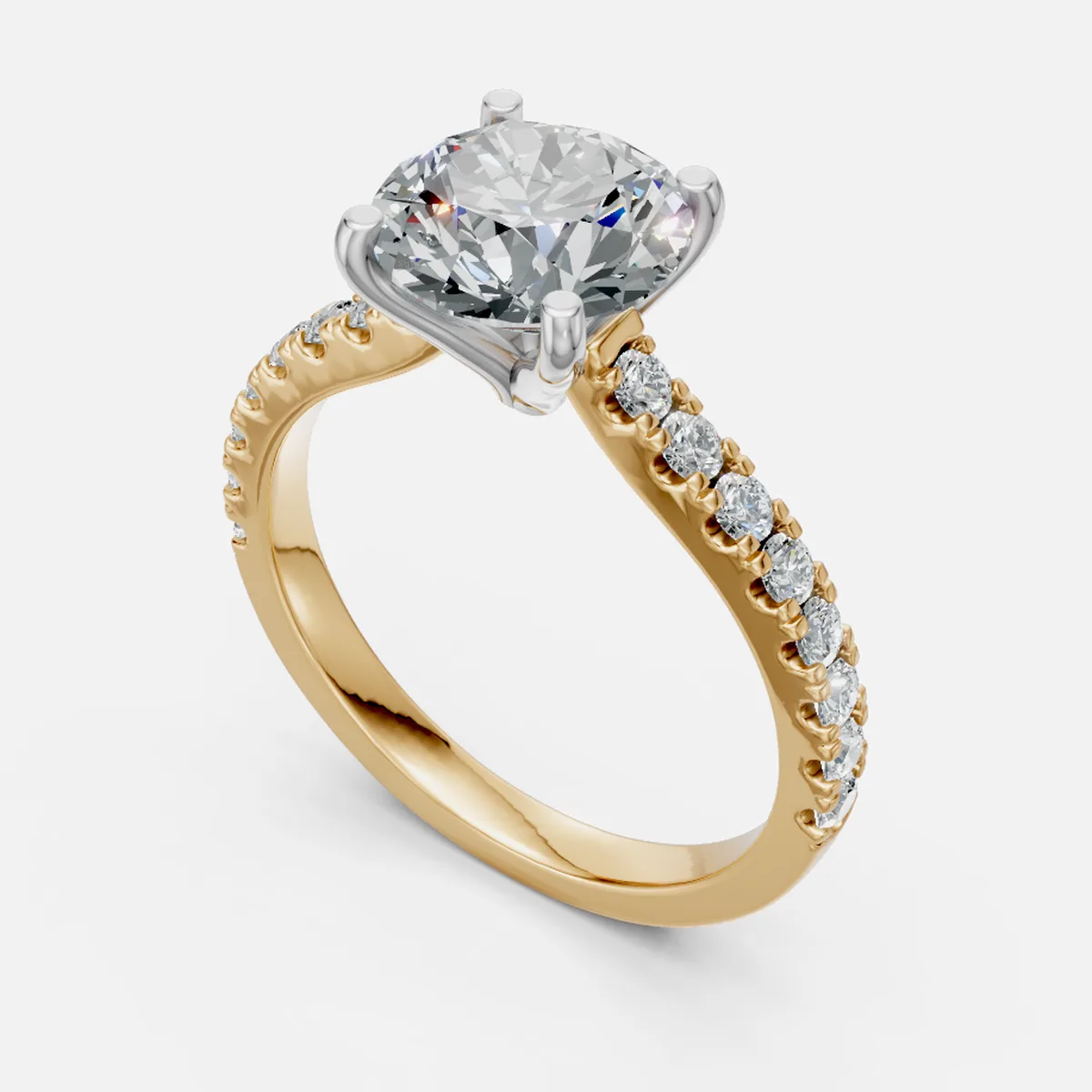
Lab-grown diamond rings, made in Hatton Garden: all 44 of our ring designs take a lab-grown stone from 0.7ct to 8ct, each with an IGI certificate. Book a visit to see lab-grown diamonds in Hatton Garden, London, or at King Street, Manchester. Each design page prices the stone as you choose it.
Prices include a 0.7ct G VS2 lab-grown stone (£690), IGI certified.
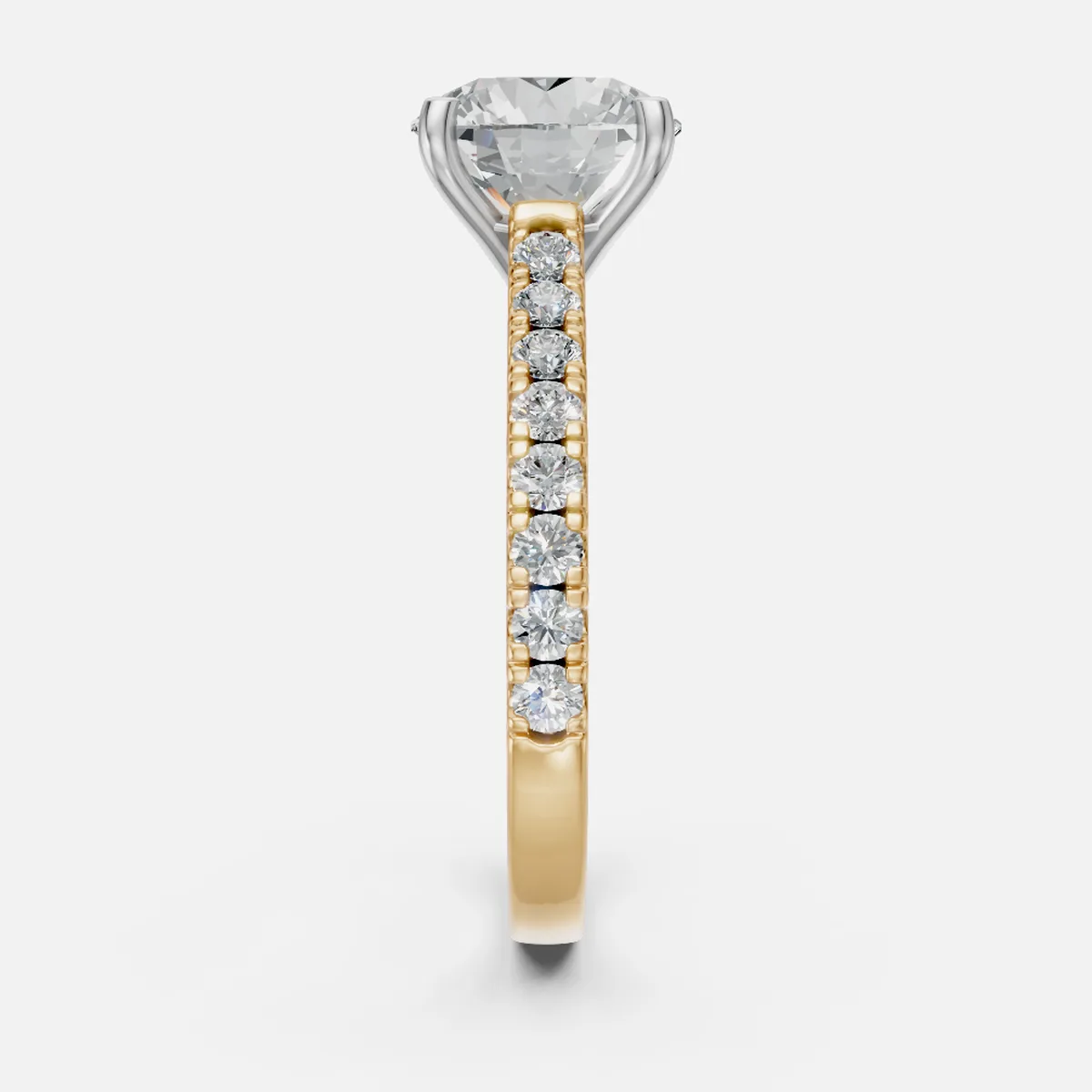
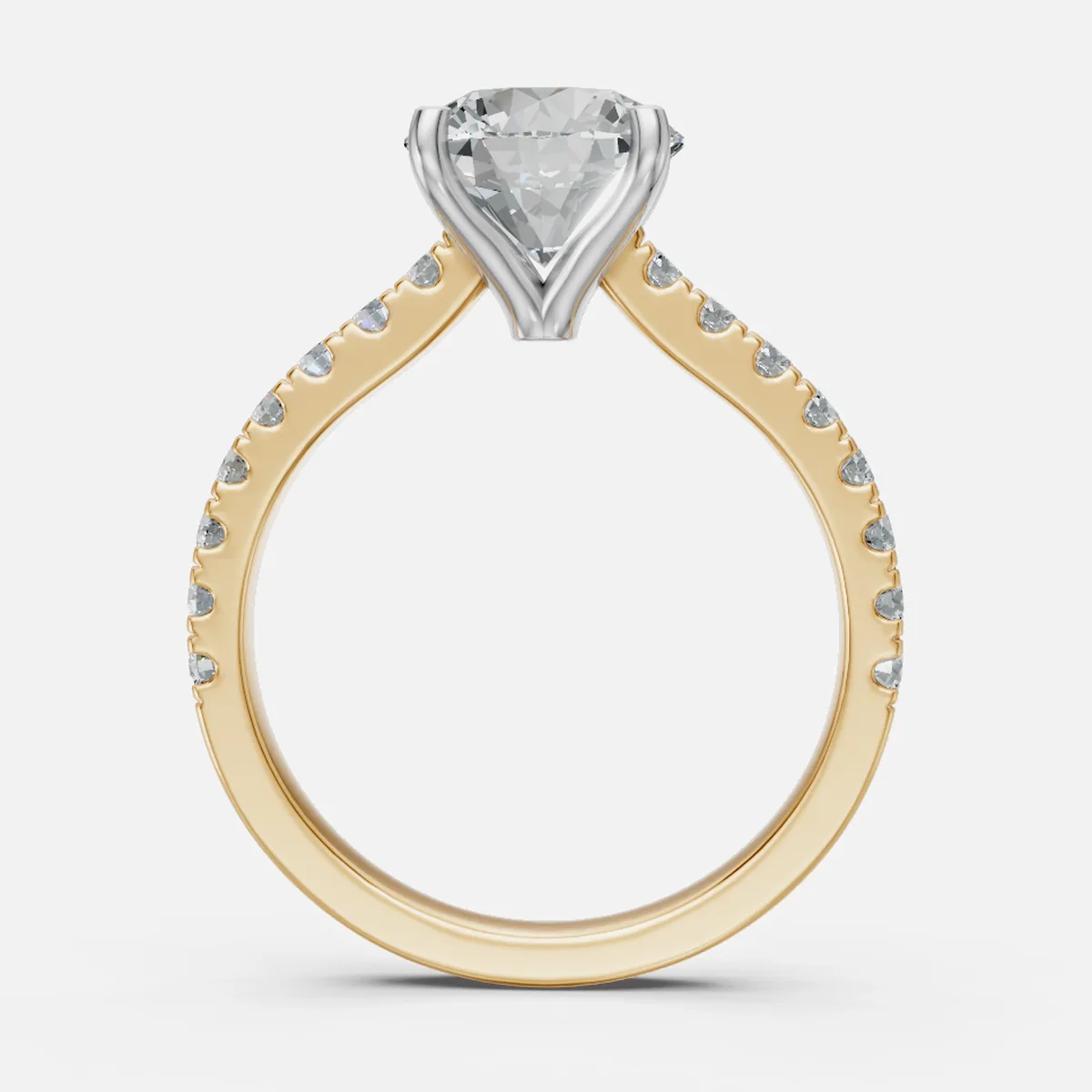
Charlotte
Round solitaire
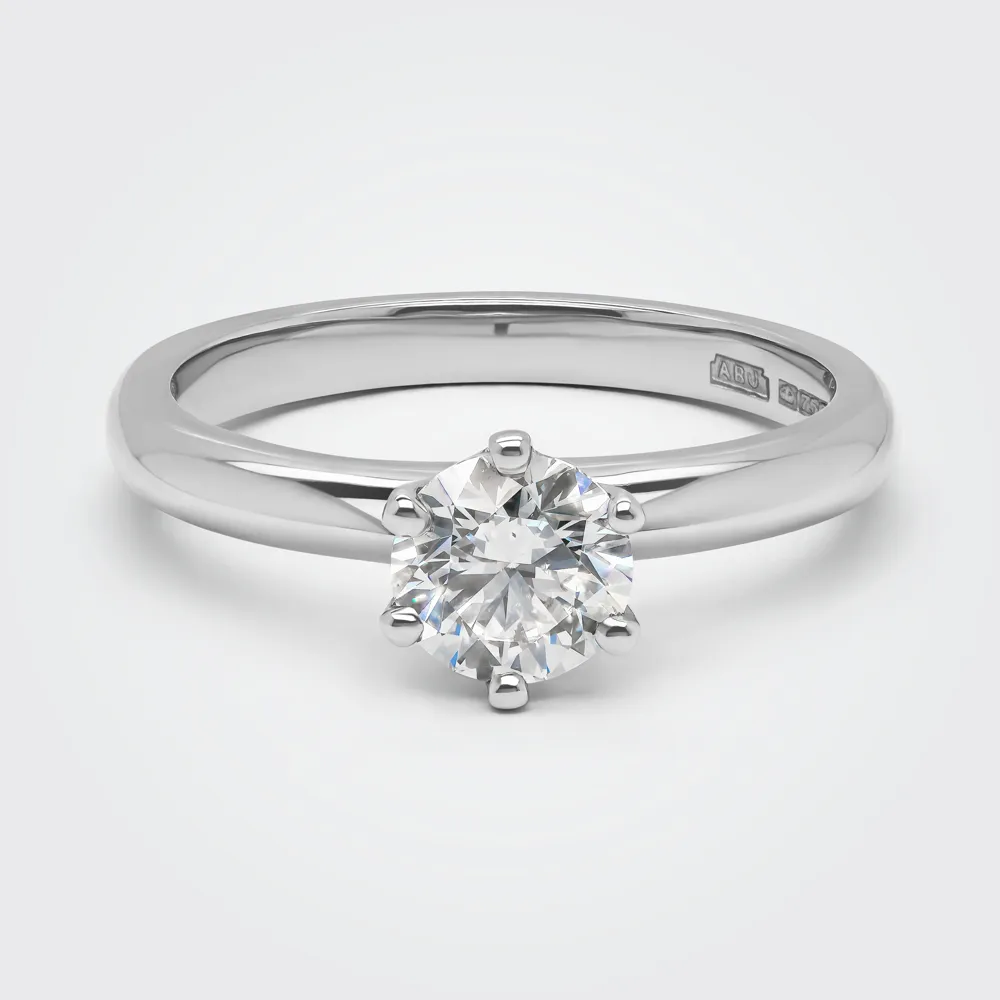
Rose
Round solitaire
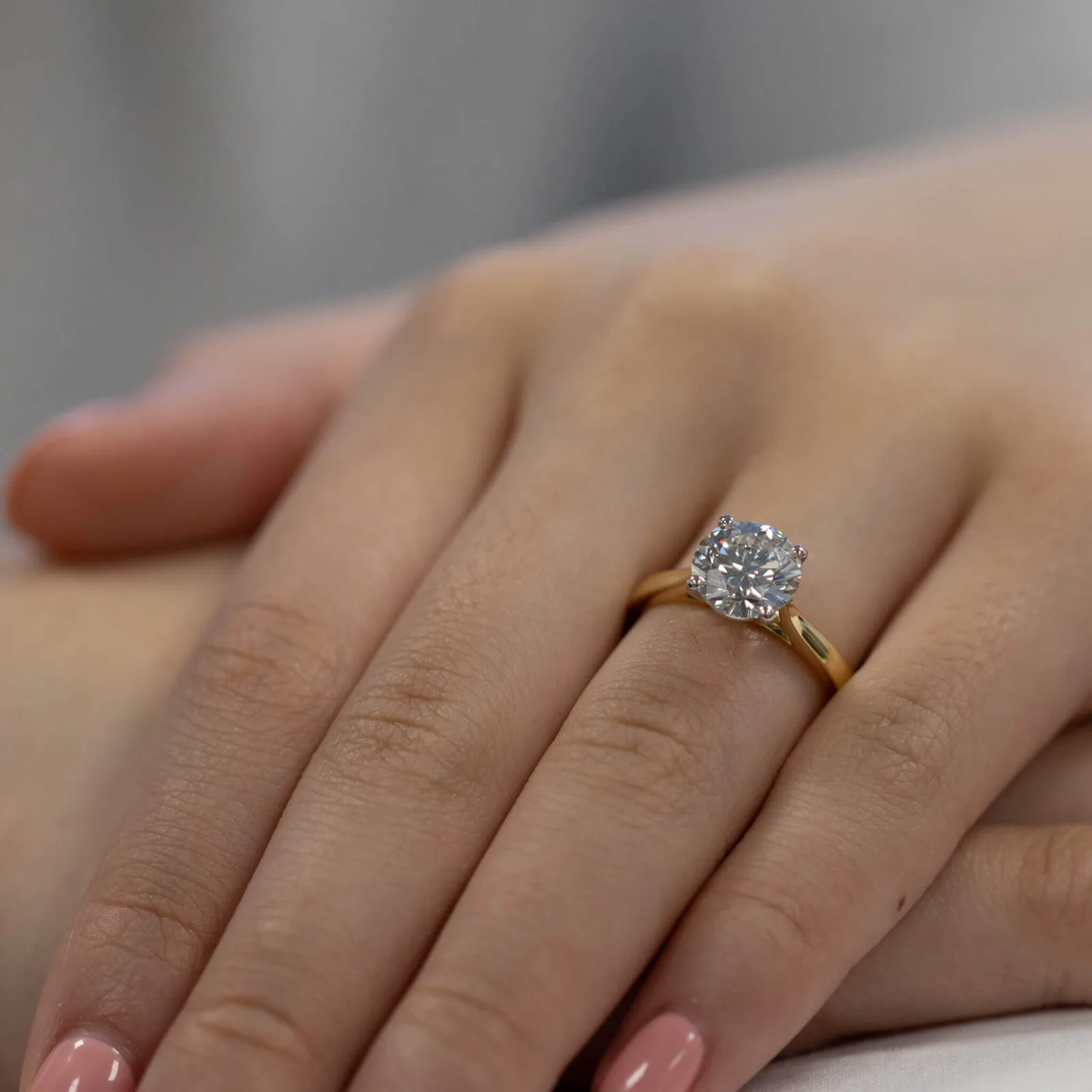
Kitty
Round solitaire
New to lab-grown?
Start with the answers
How long they last, whether they sparkle, what a carat costs.
Read the answers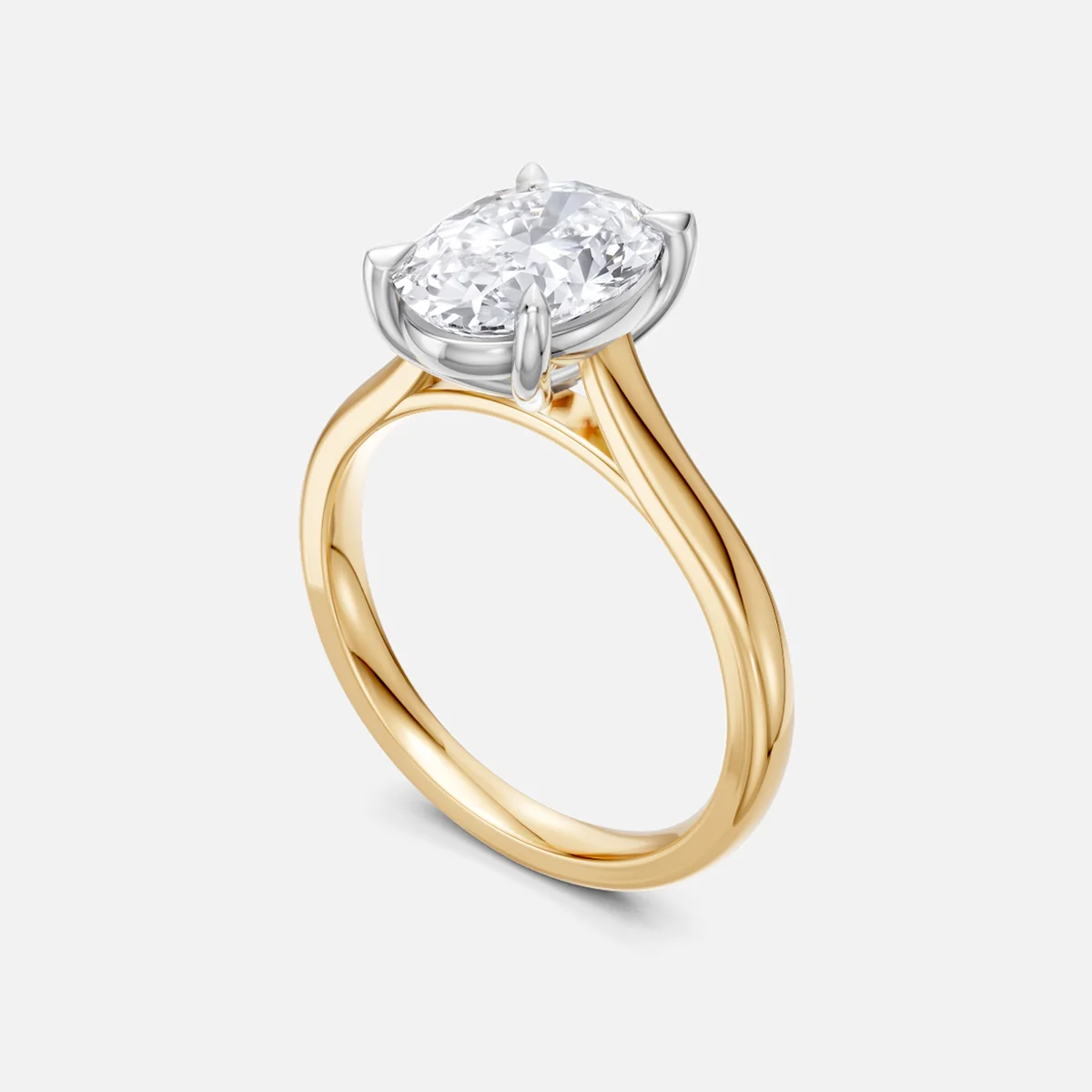
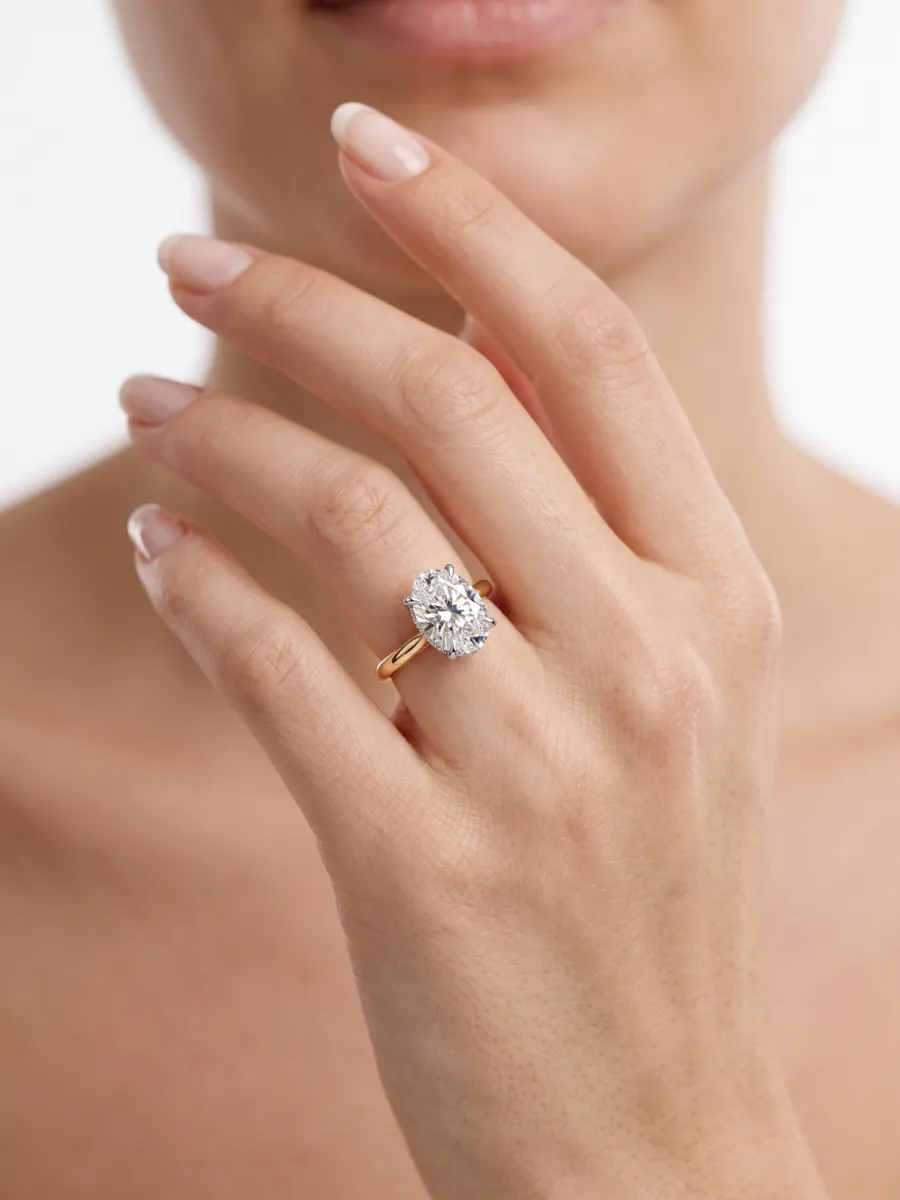
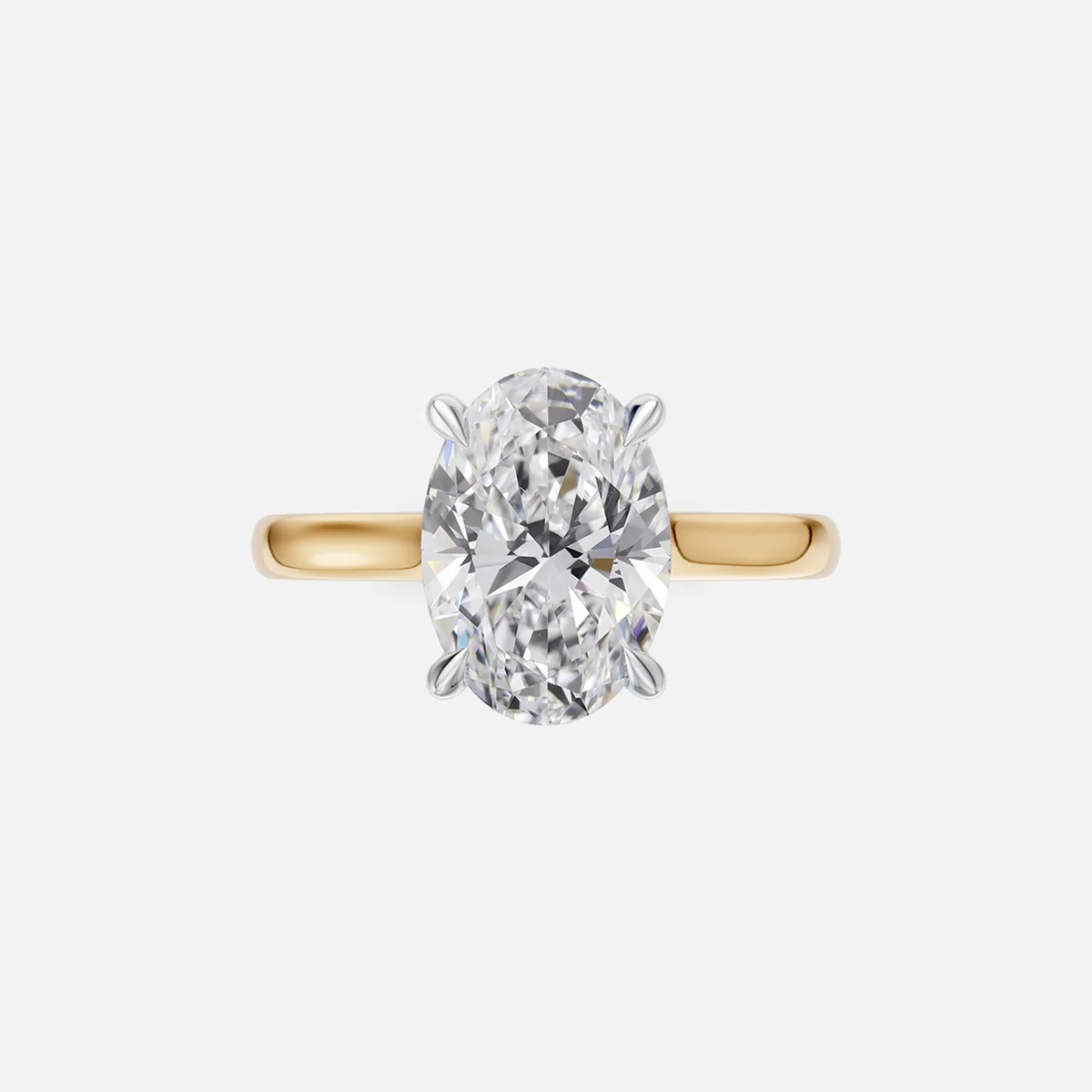
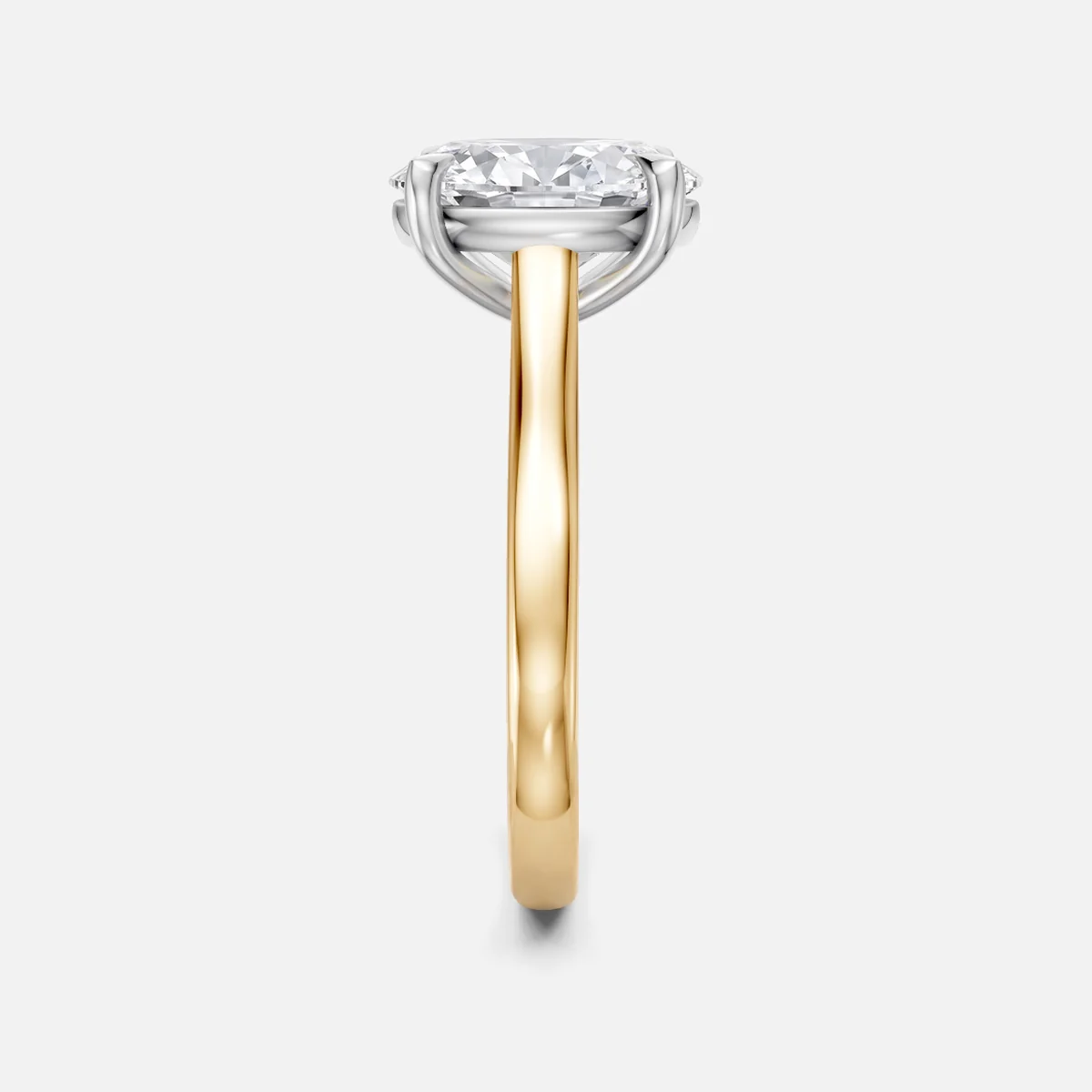
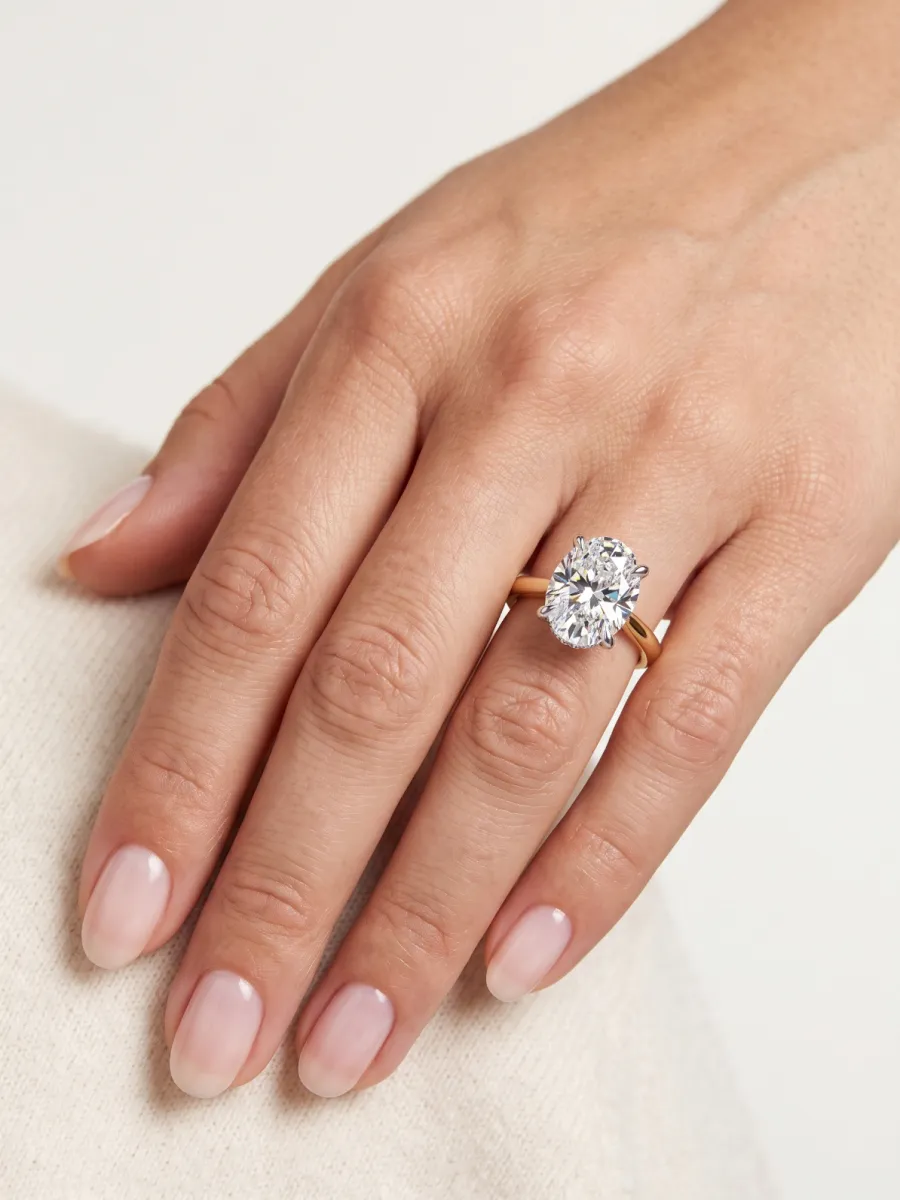
Belle
Oval solitaire
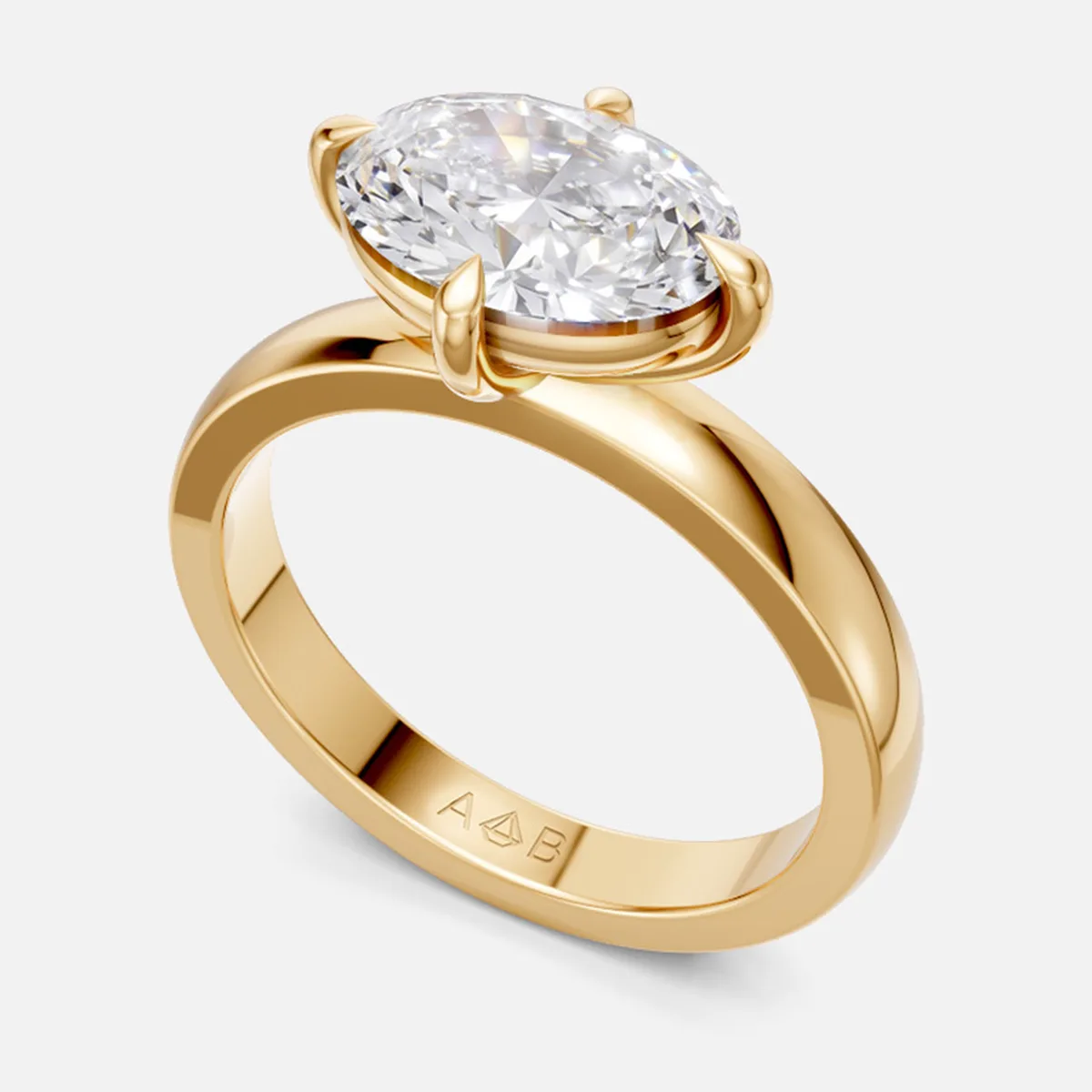
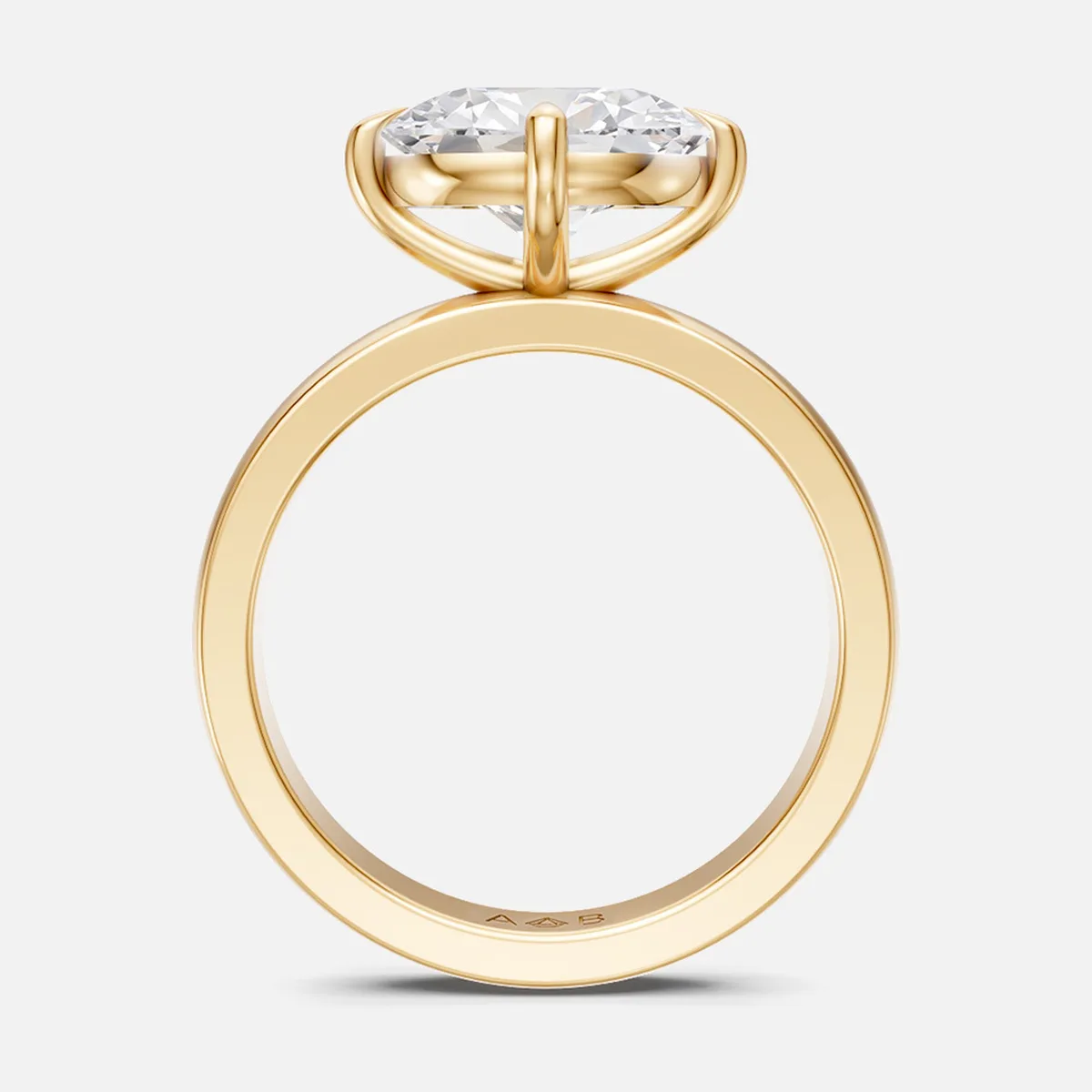
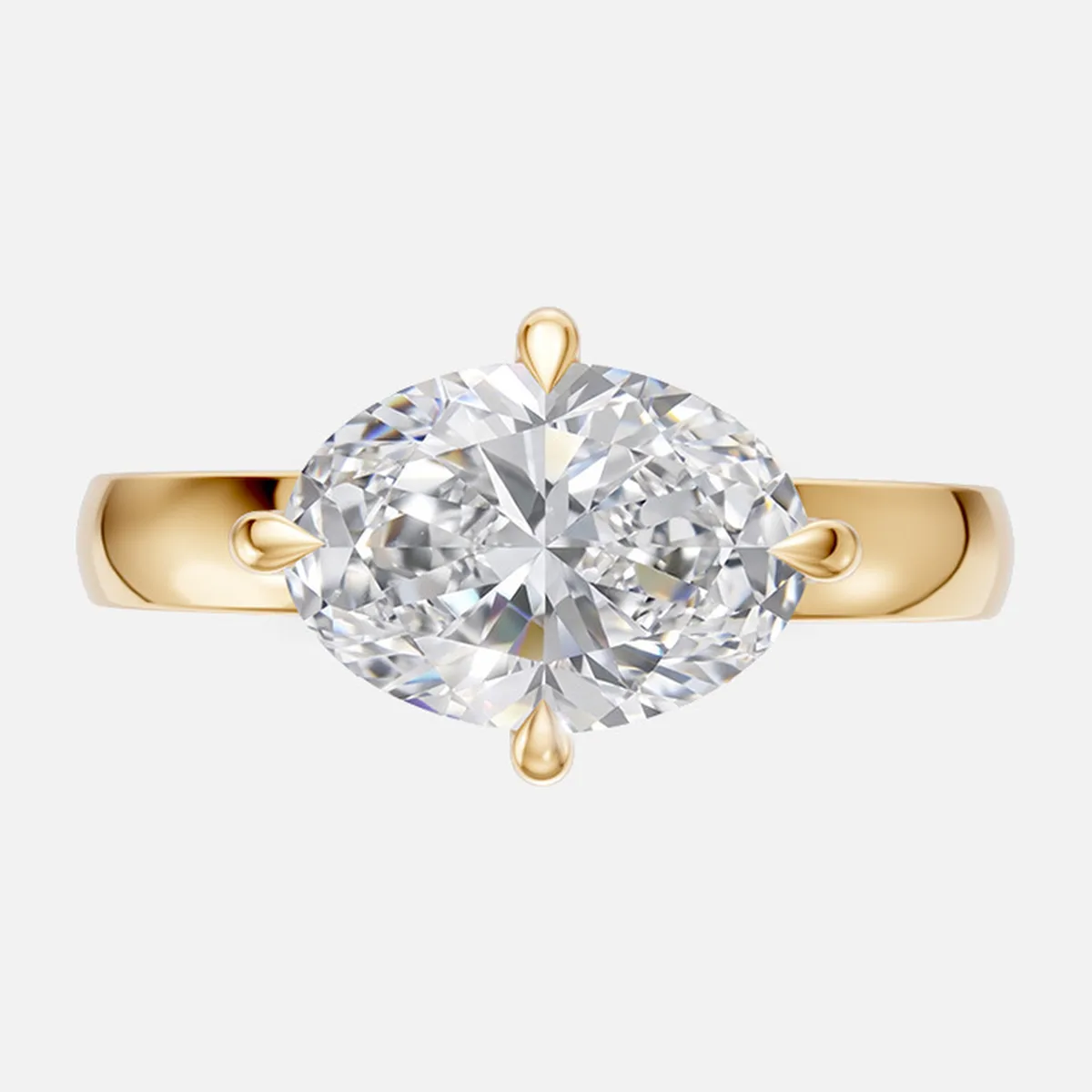
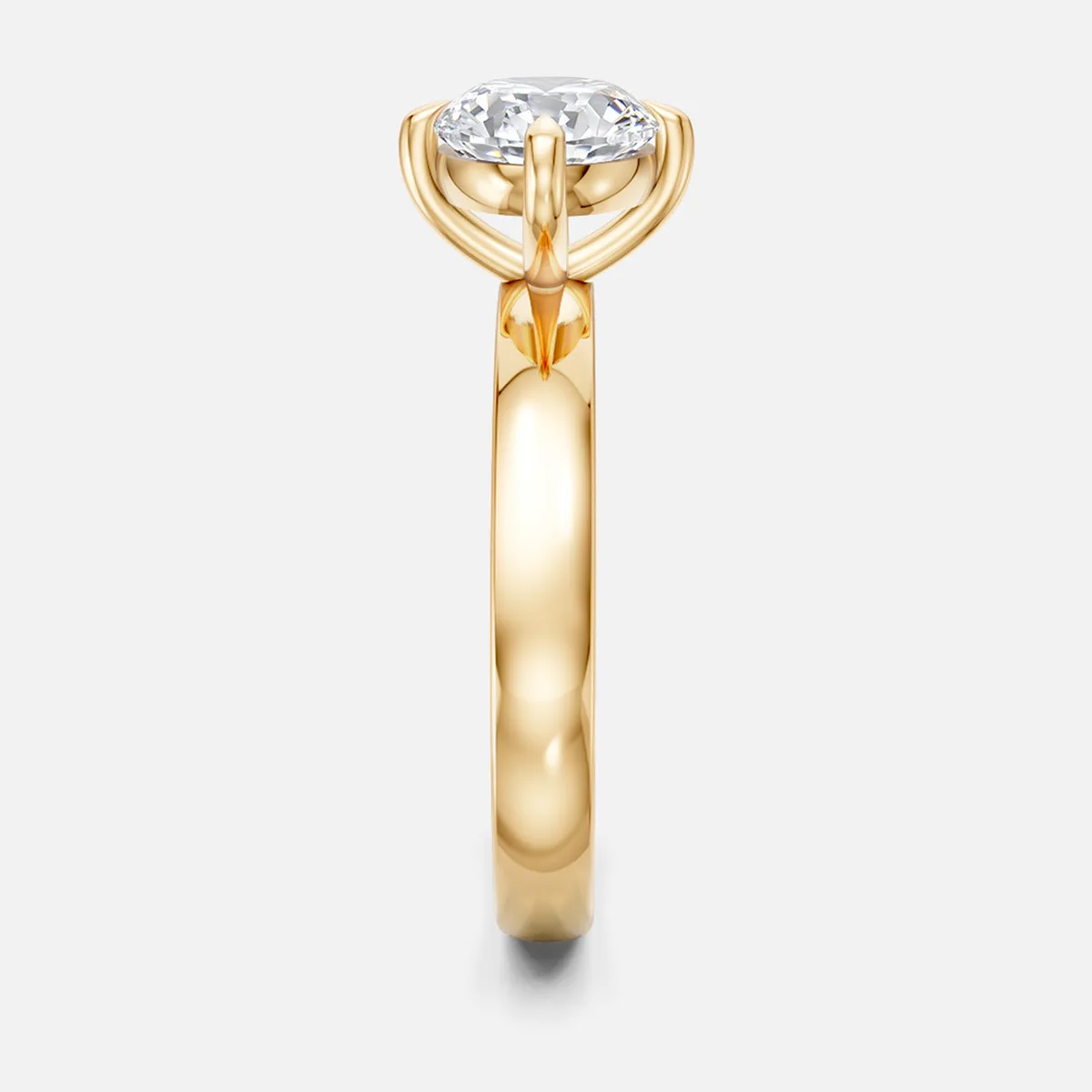
Sheva
Oval solitaire
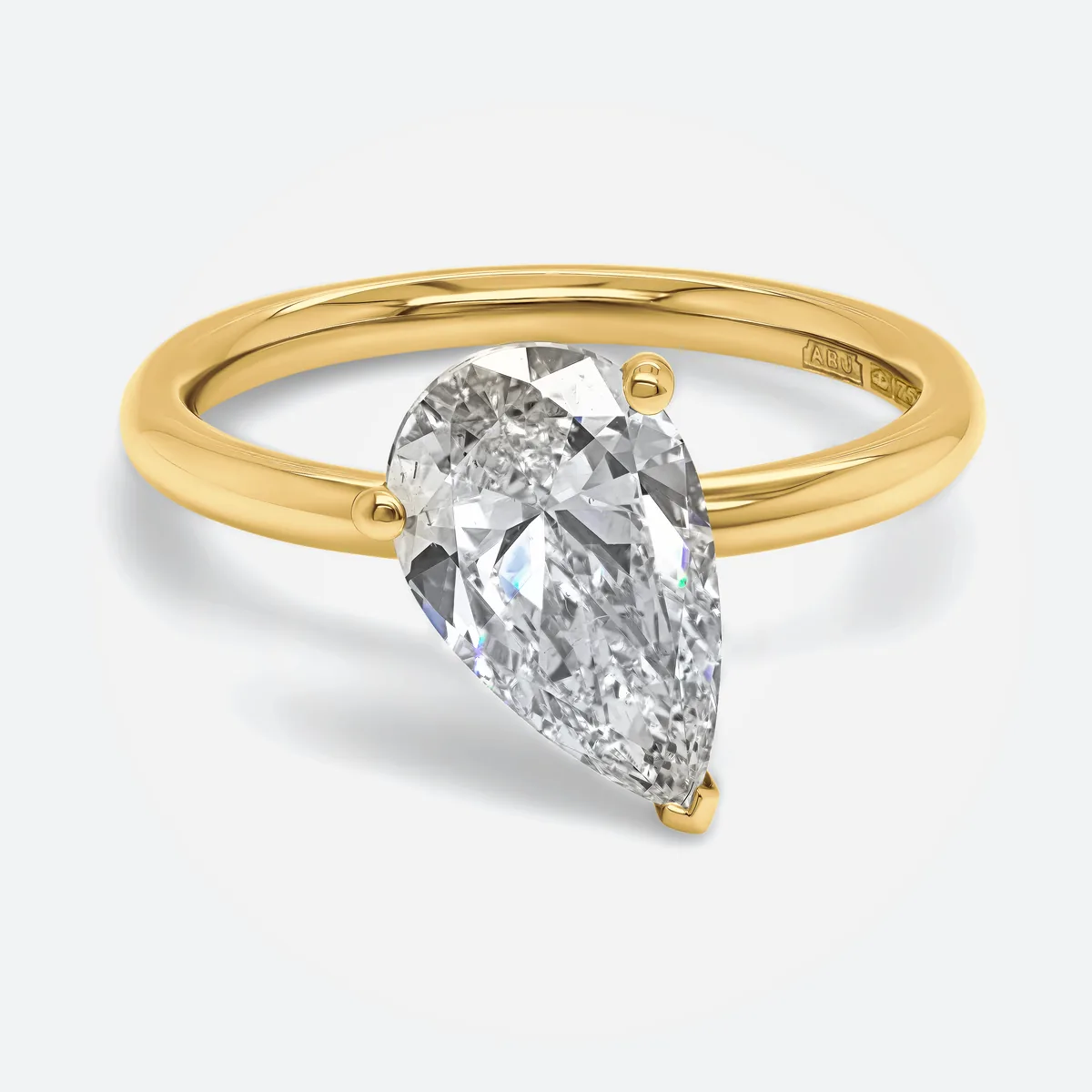
Angie
Pear solitaire
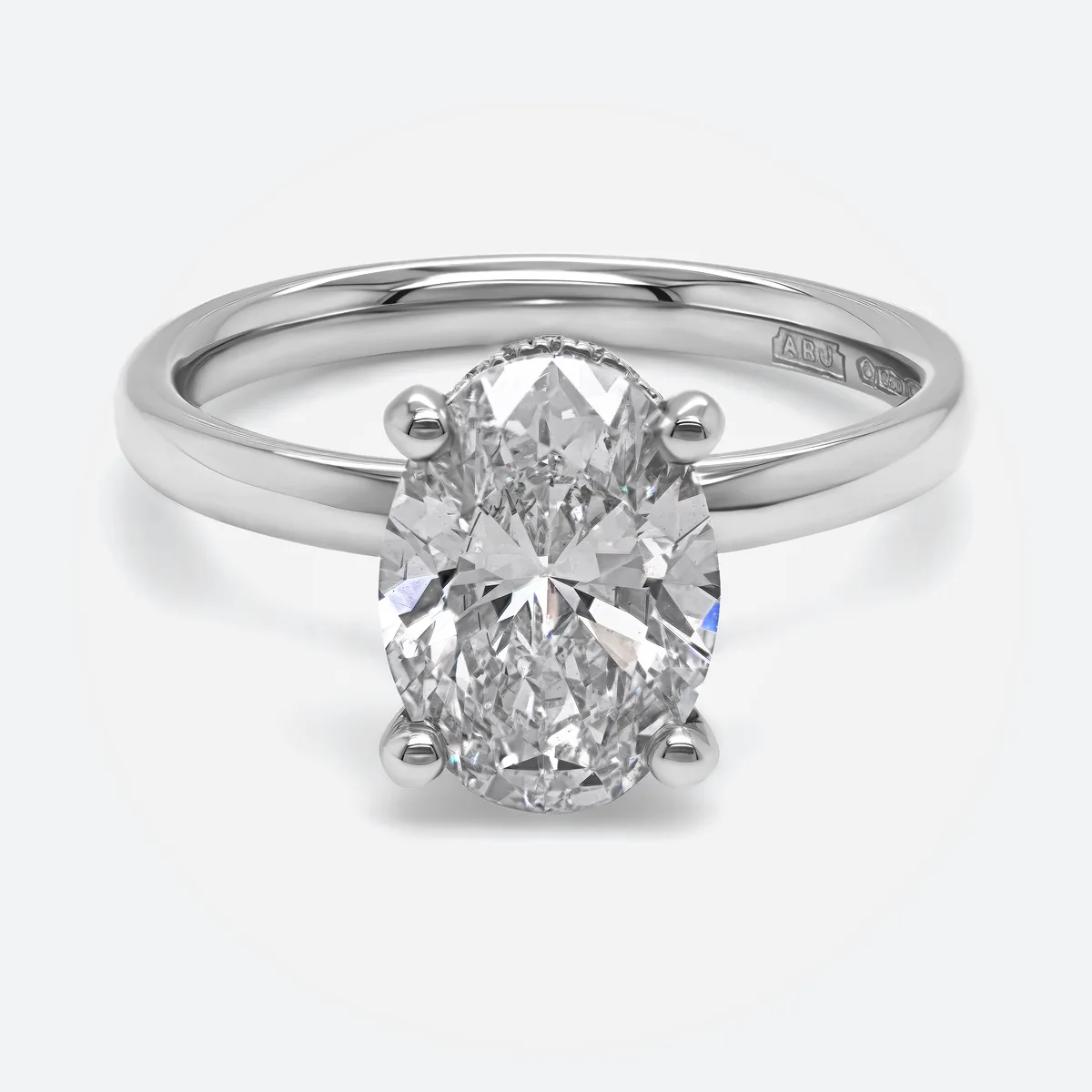
Lea
Oval hidden halo
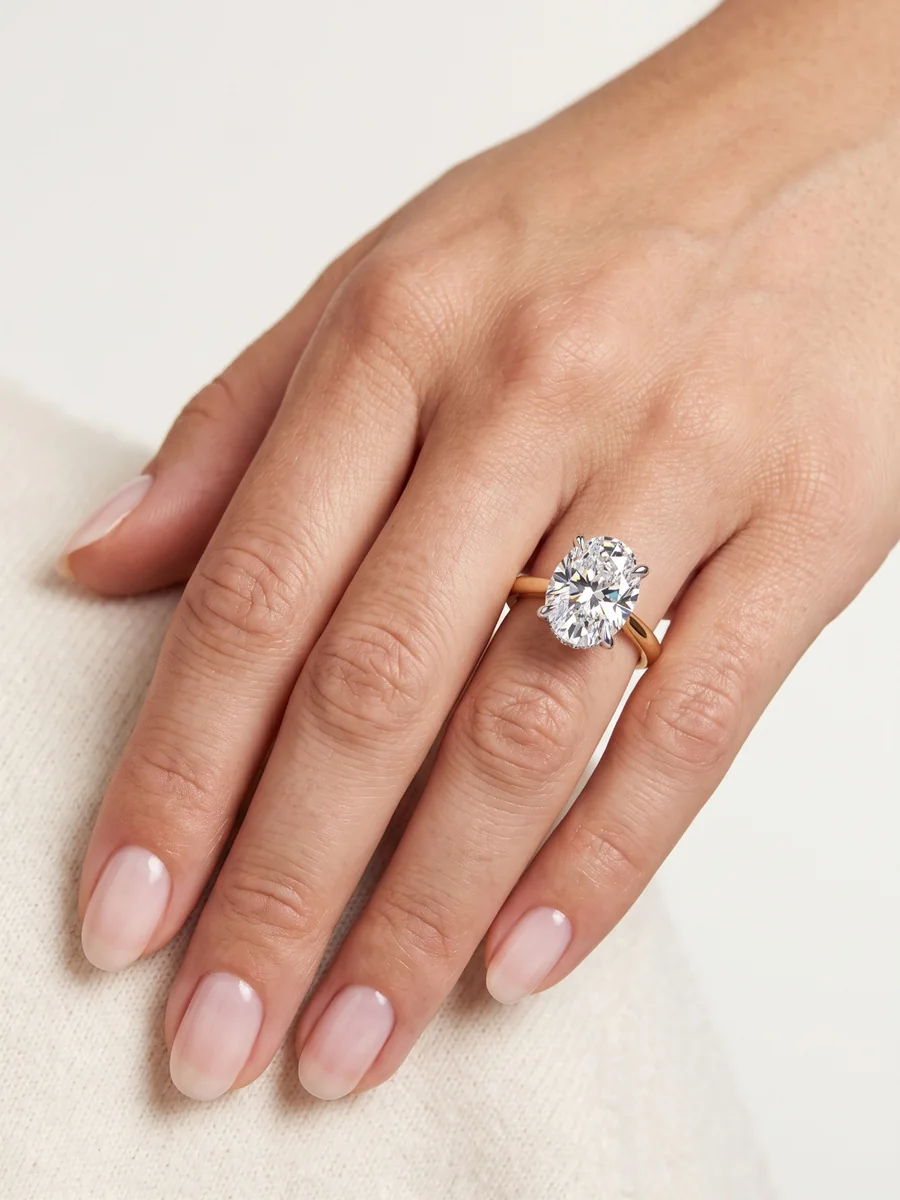
Jessica
Oval hidden halo
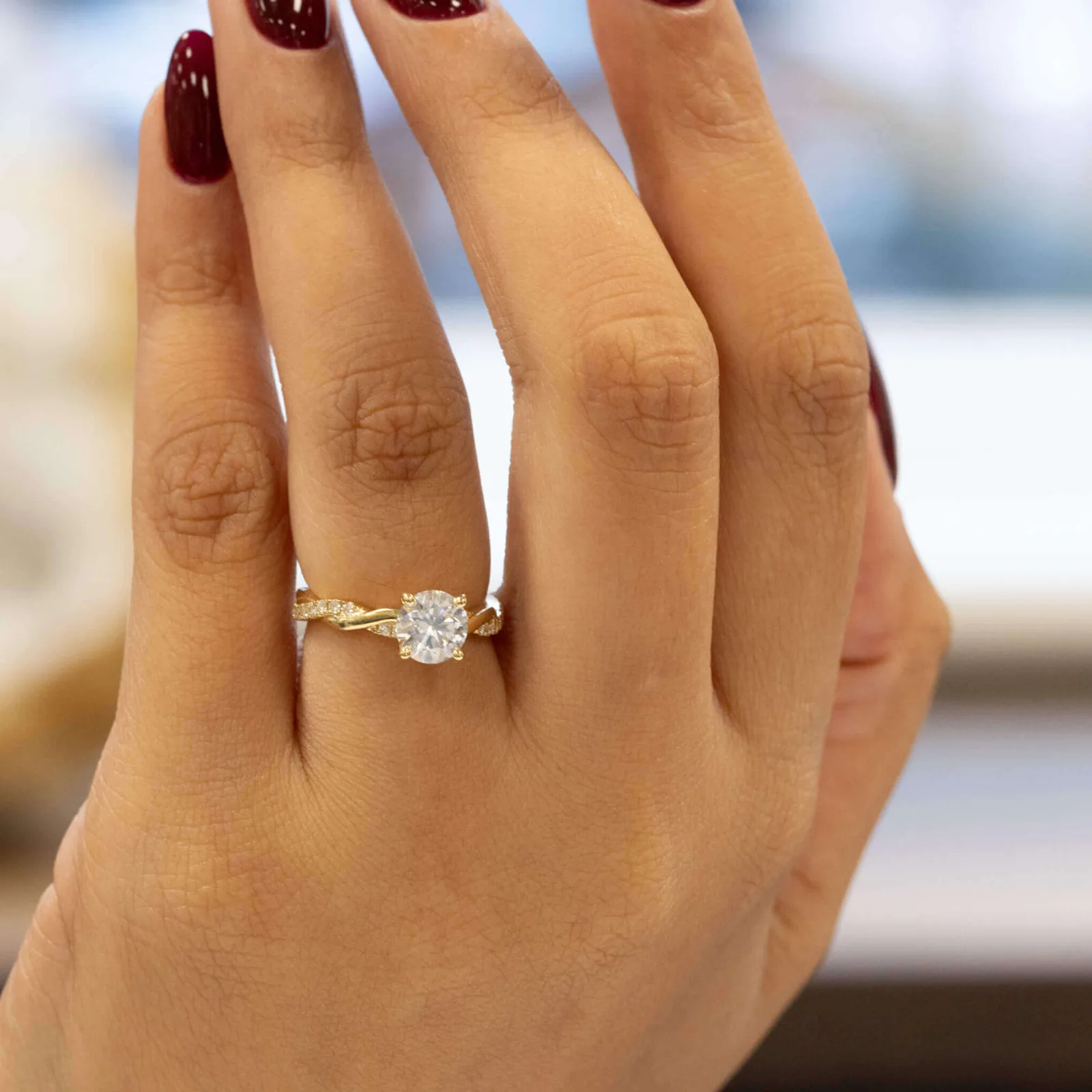
Tamara
Round stone-set shoulders
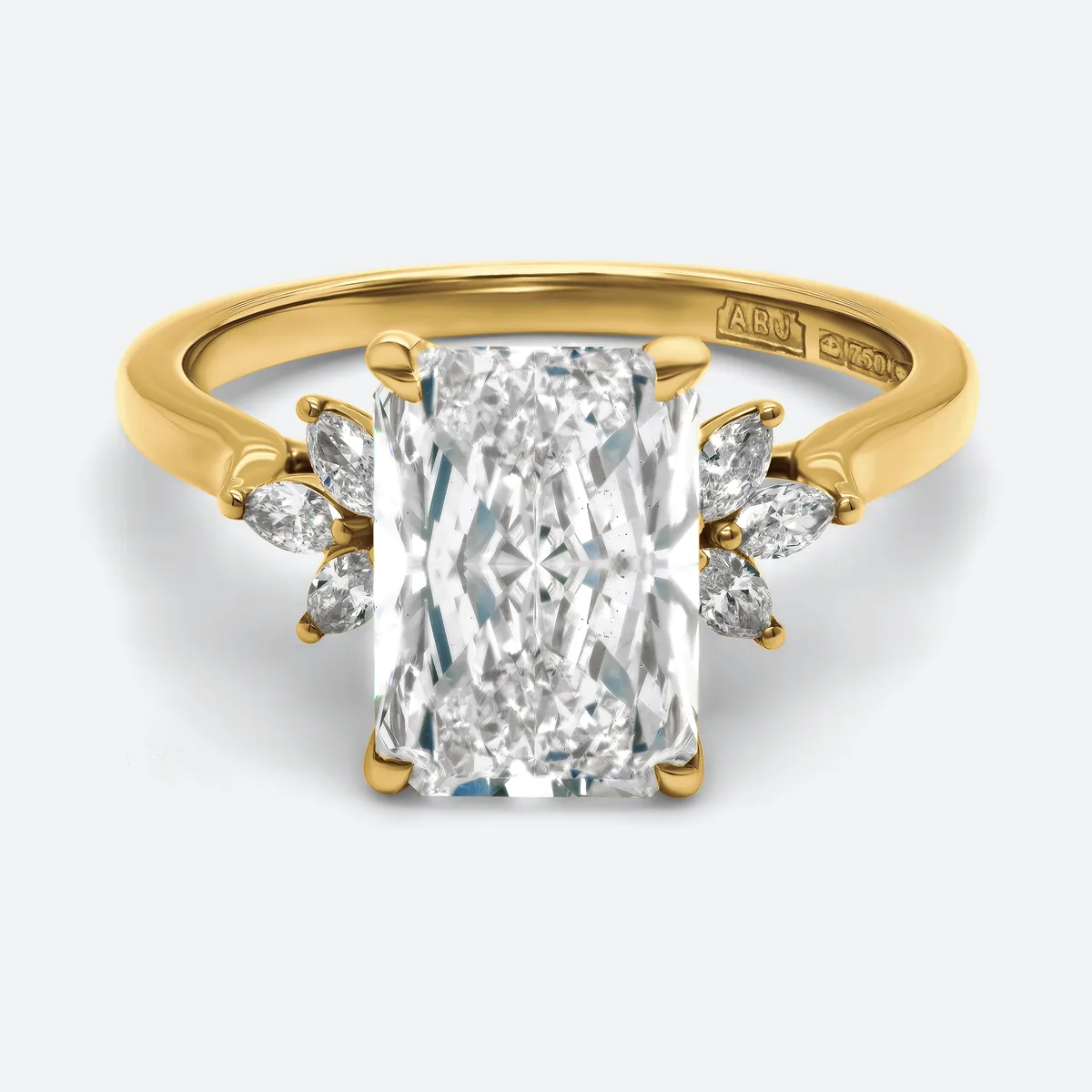
Millie
Radiant stone-set shoulders
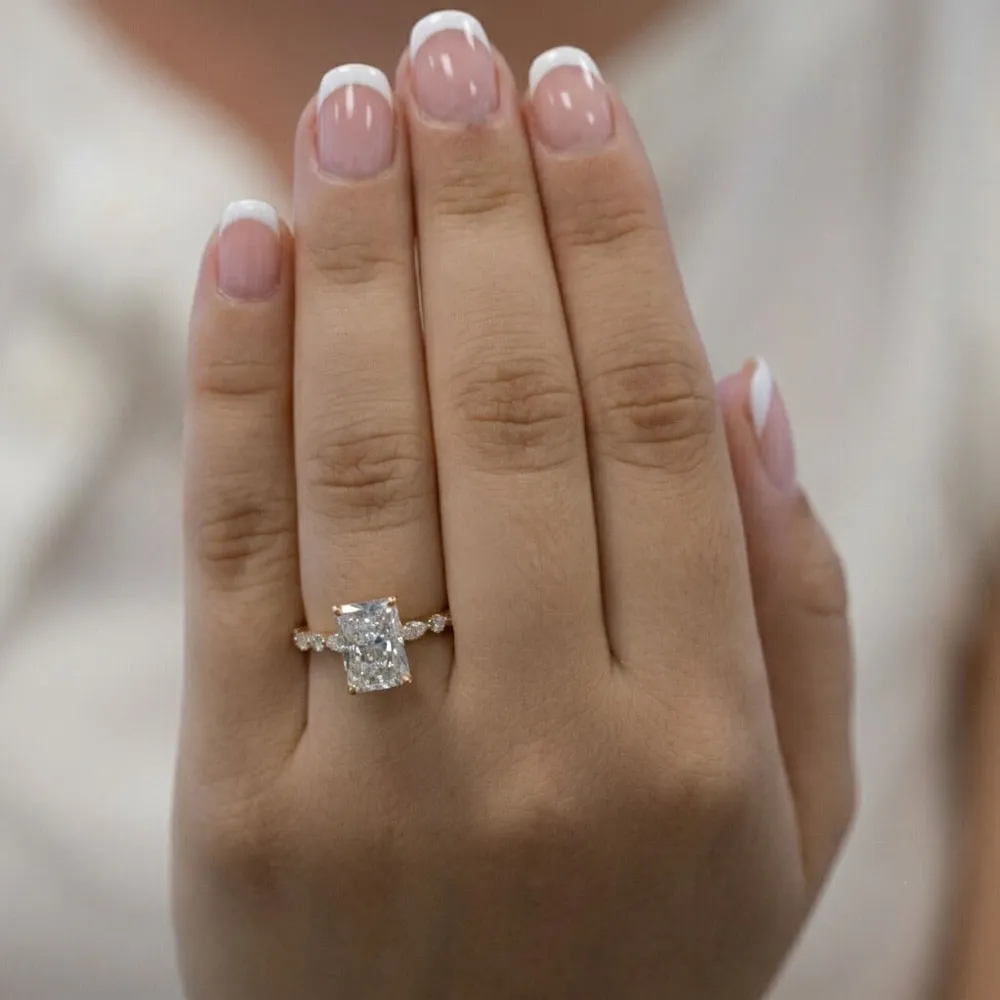
Hallie
Radiant stone-set shoulders
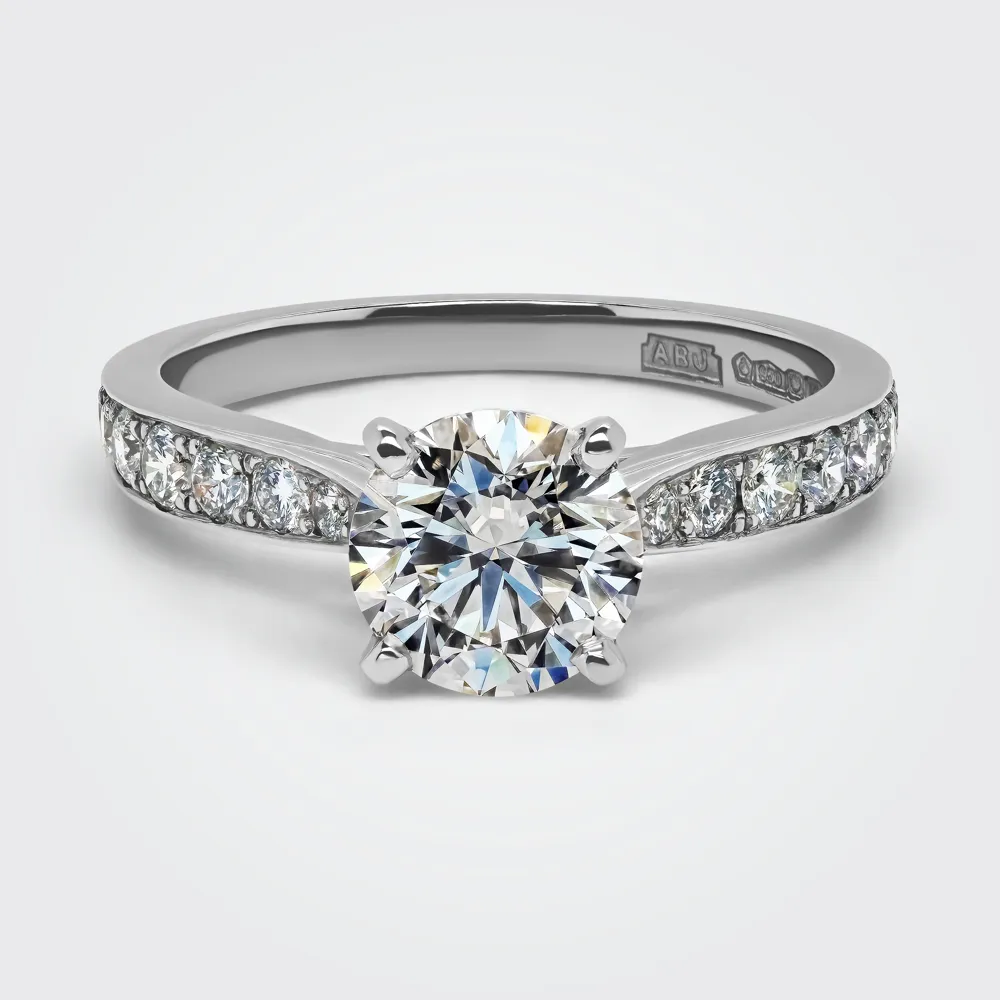
Ella
Round stone-set shoulders
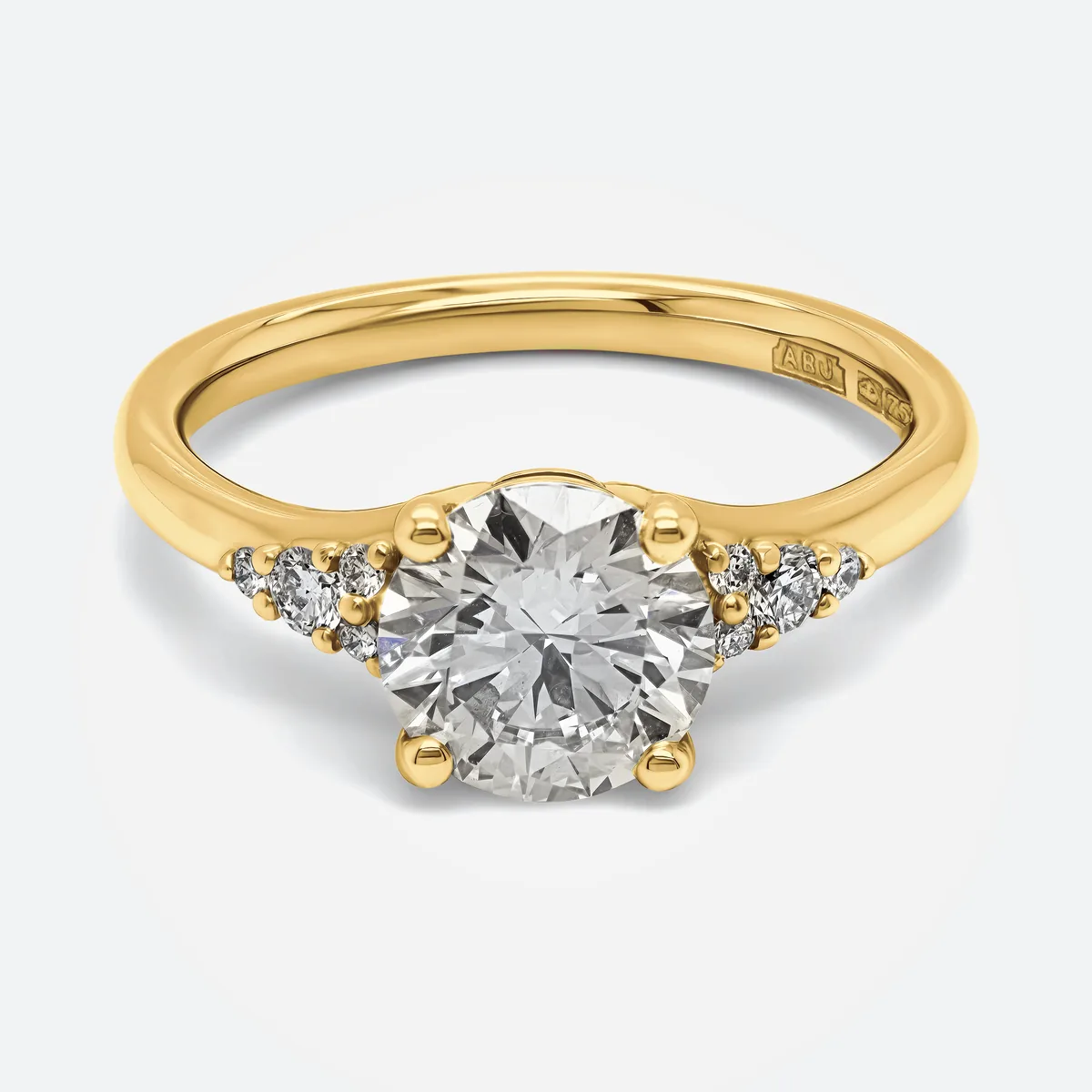
Hannah
Round stone-set shoulders
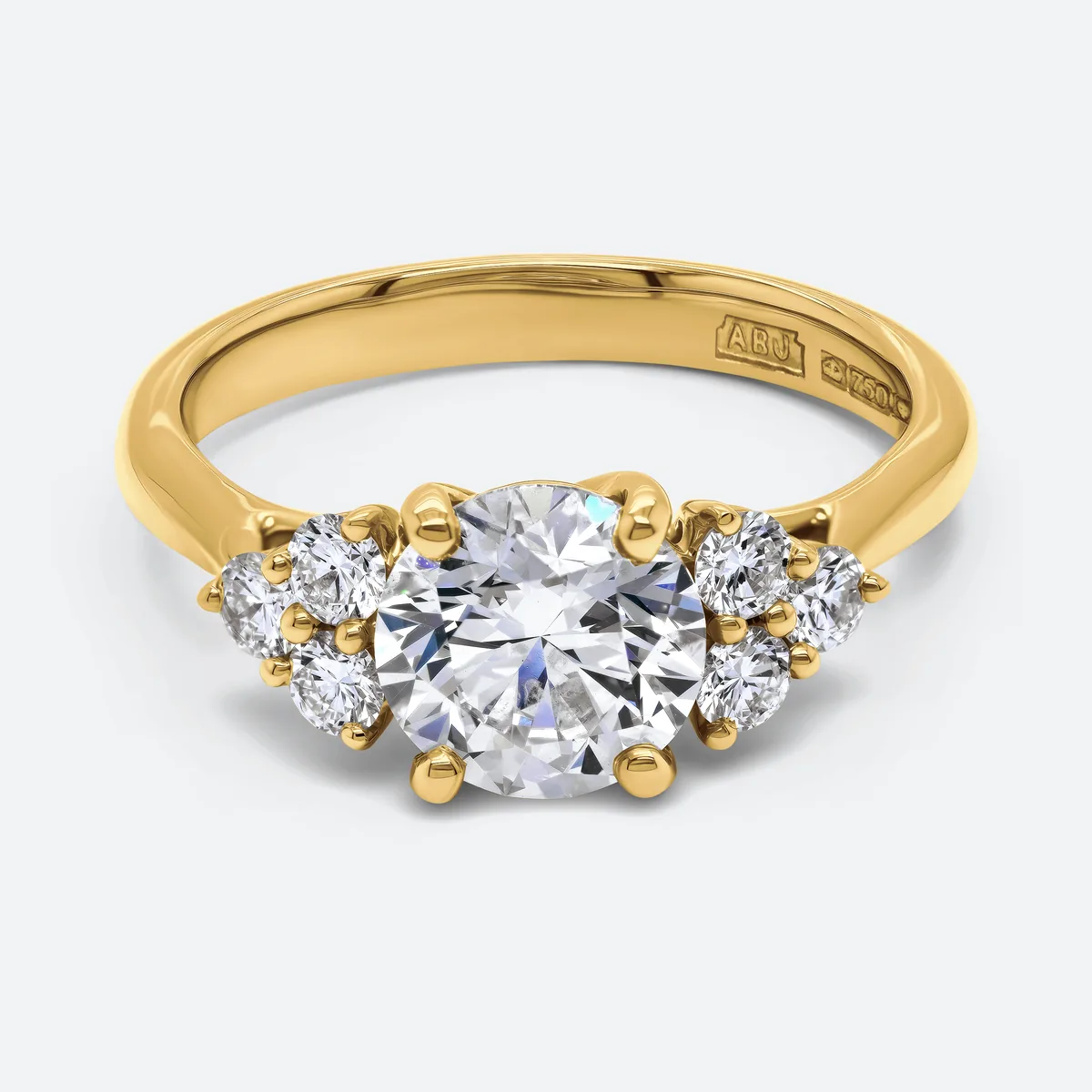
Eden
Round stone-set shoulders
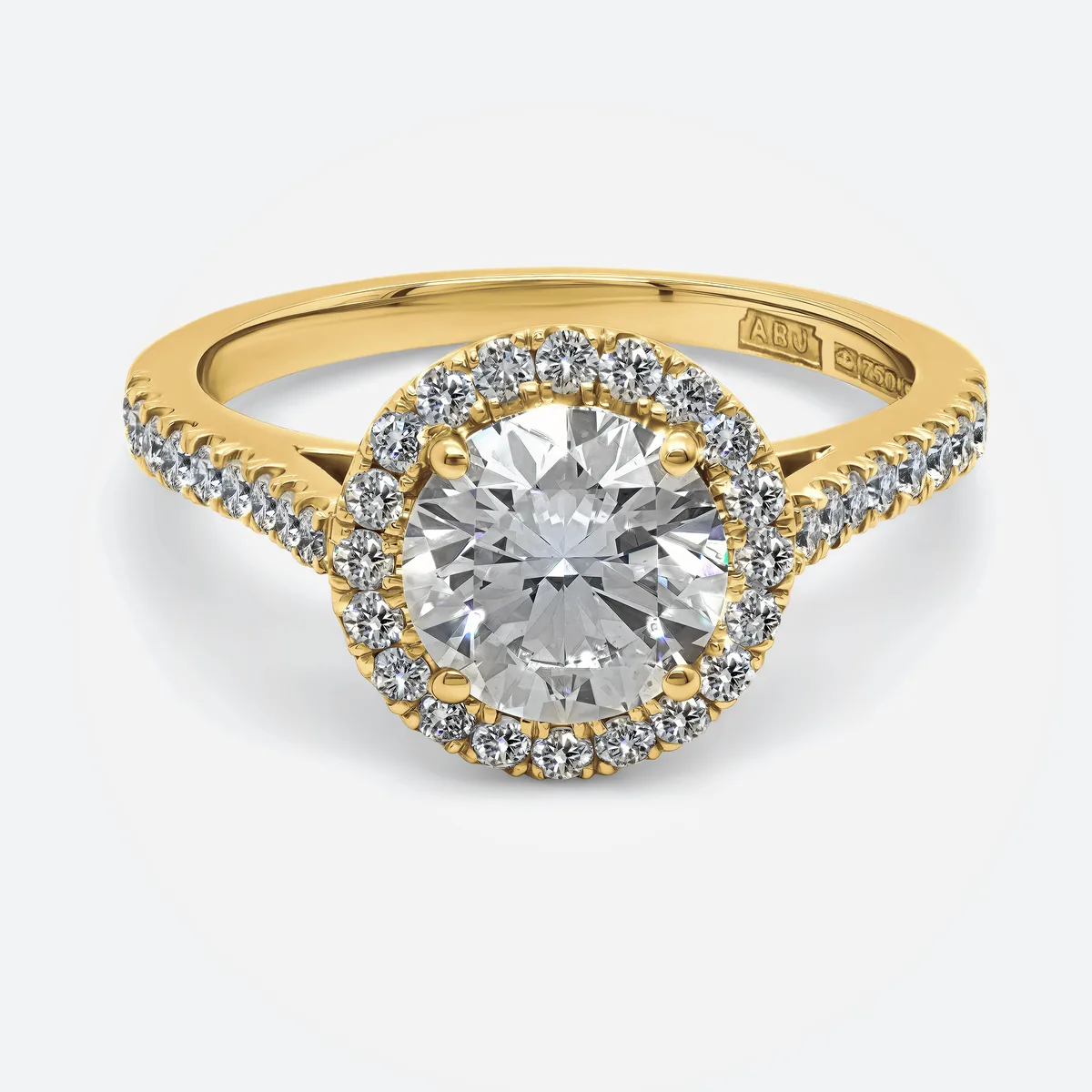
Alise
Round stone-set shoulders
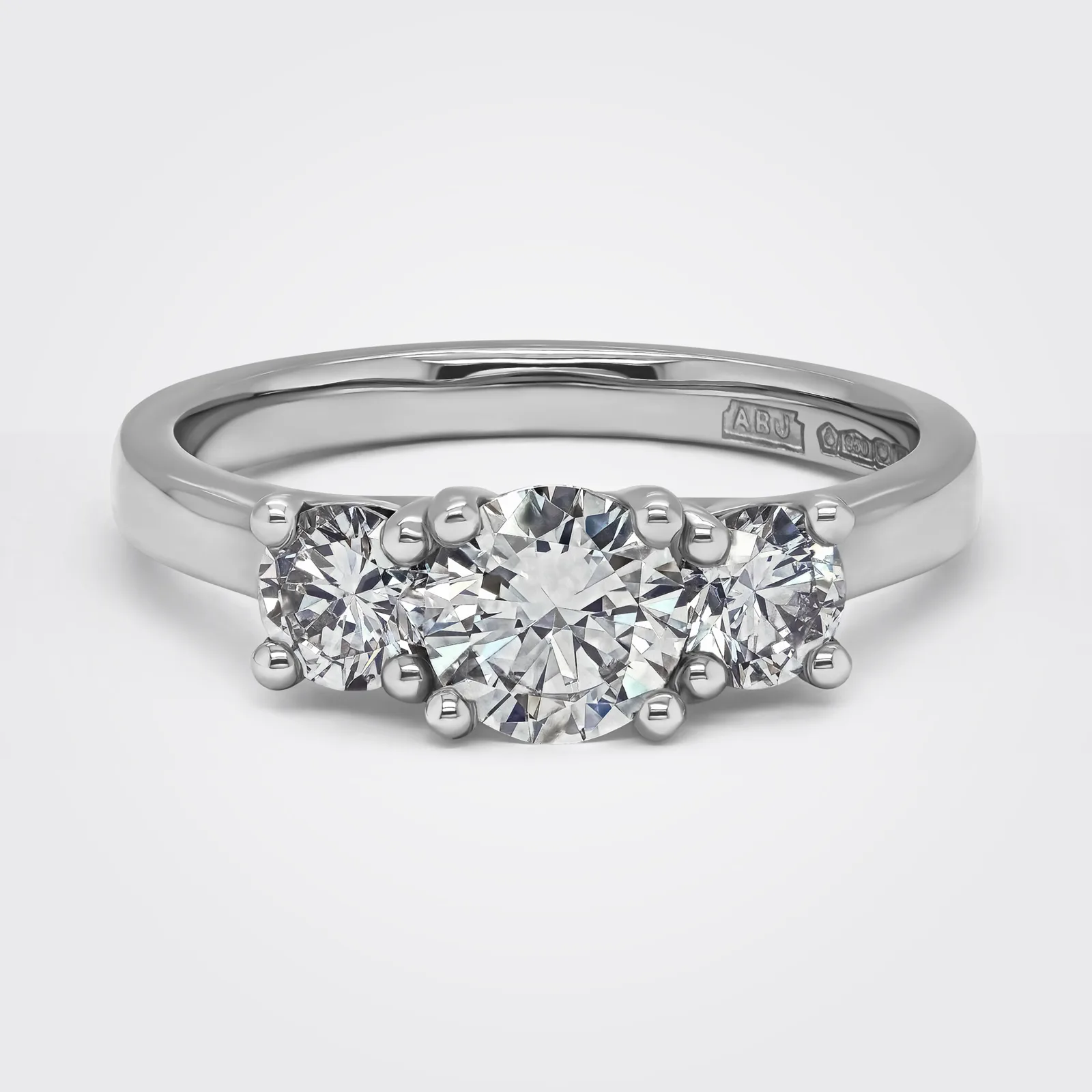
Deri
Round trilogy
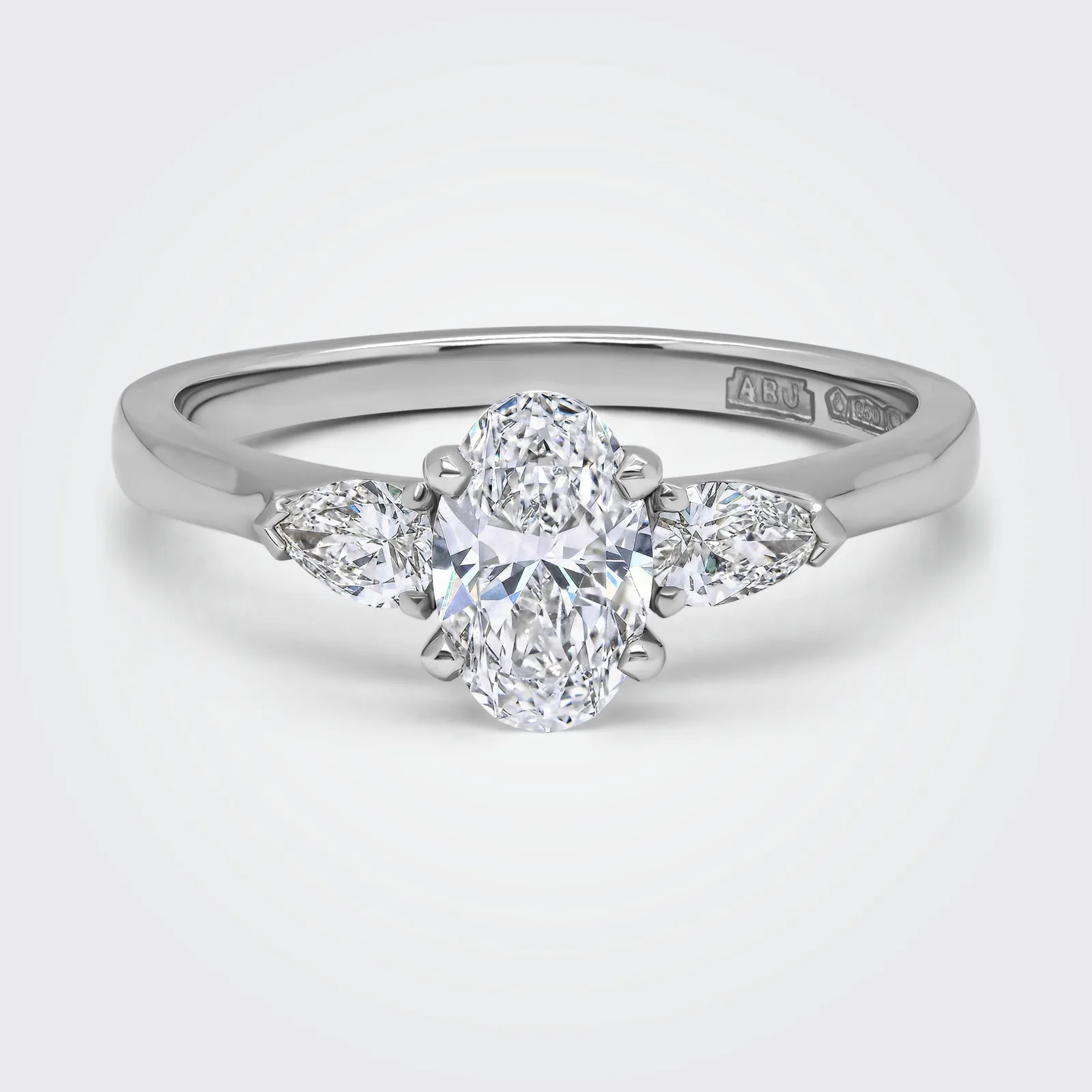
Elsa
Oval trilogy
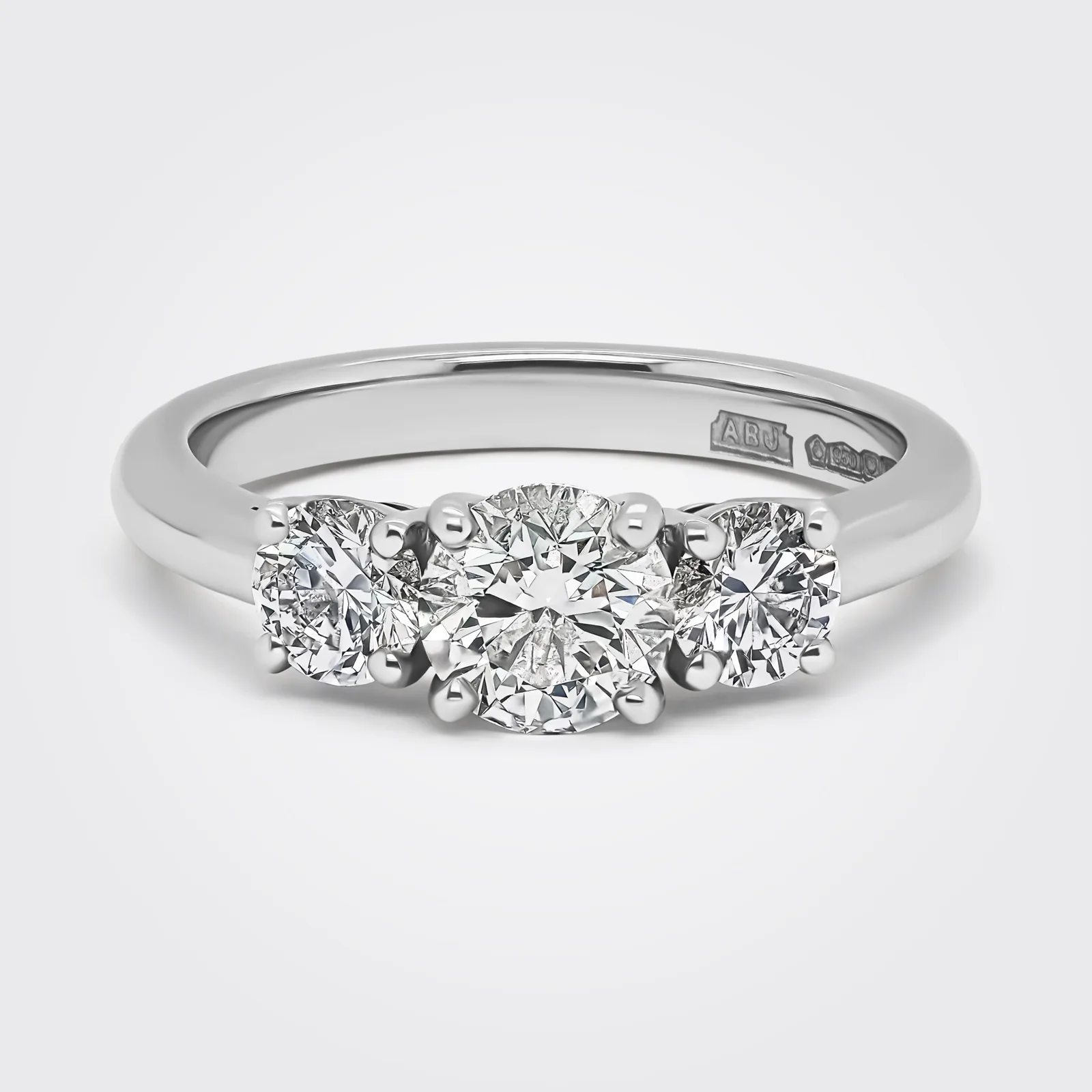
Debby
Round trilogy
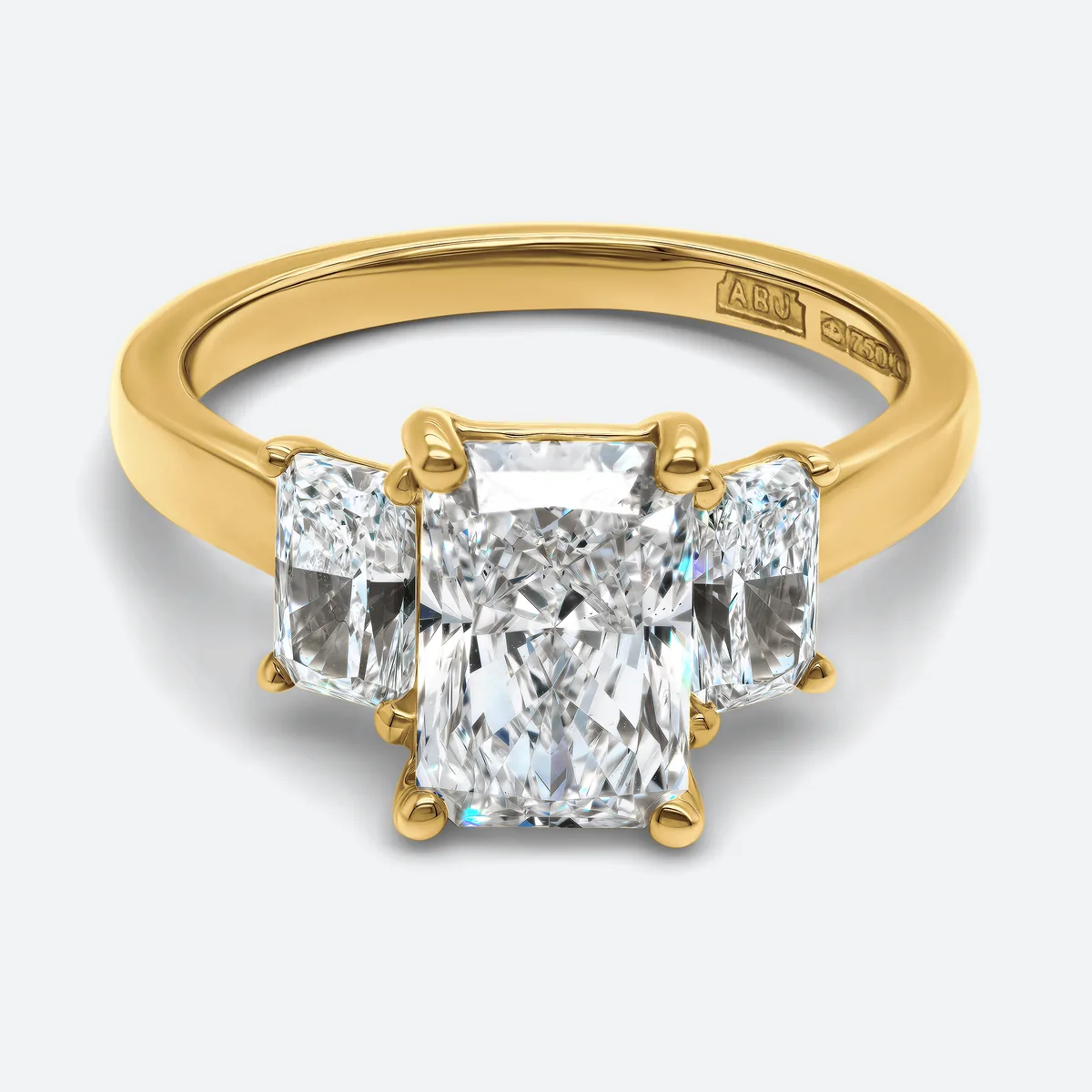
Cheryl
Radiant trilogy
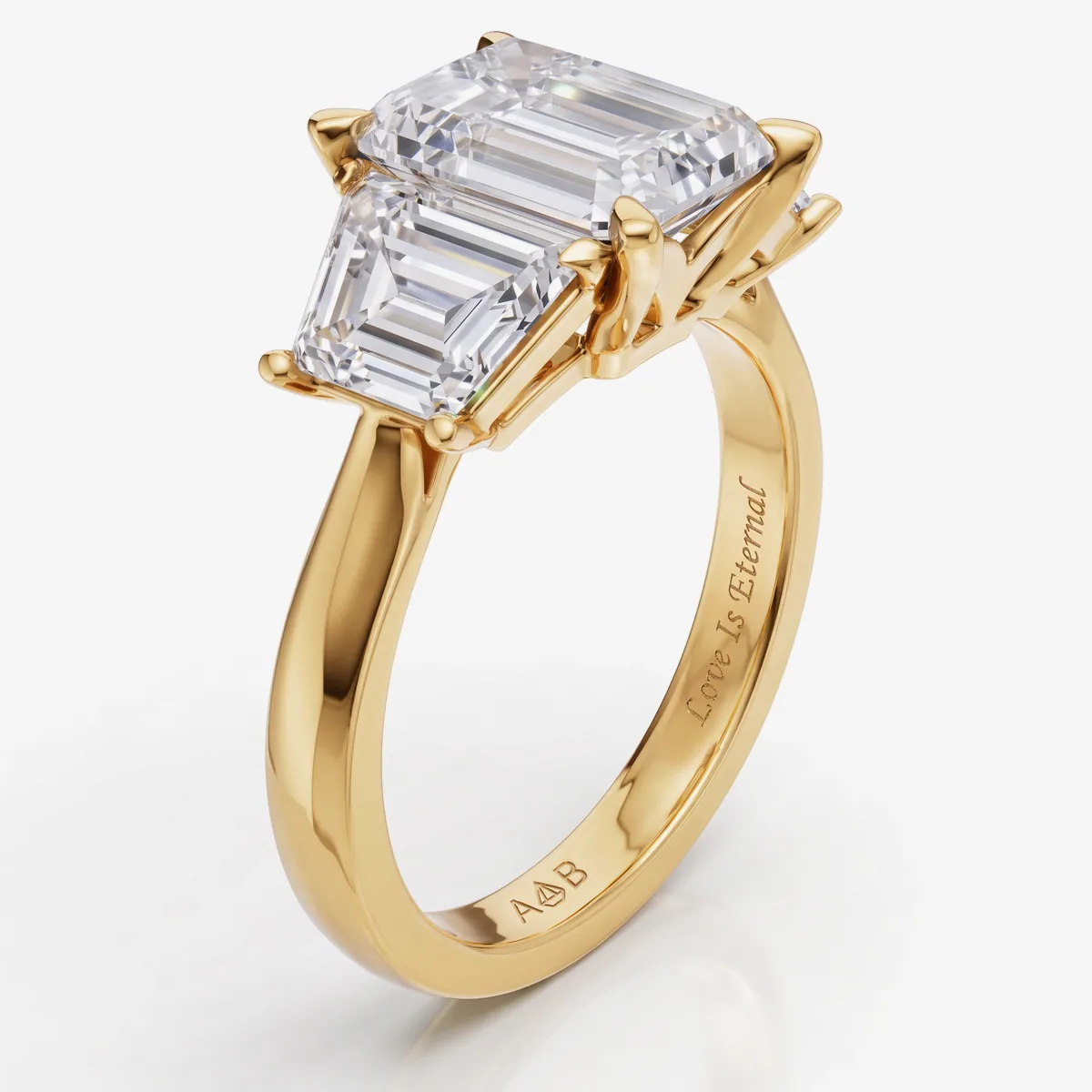
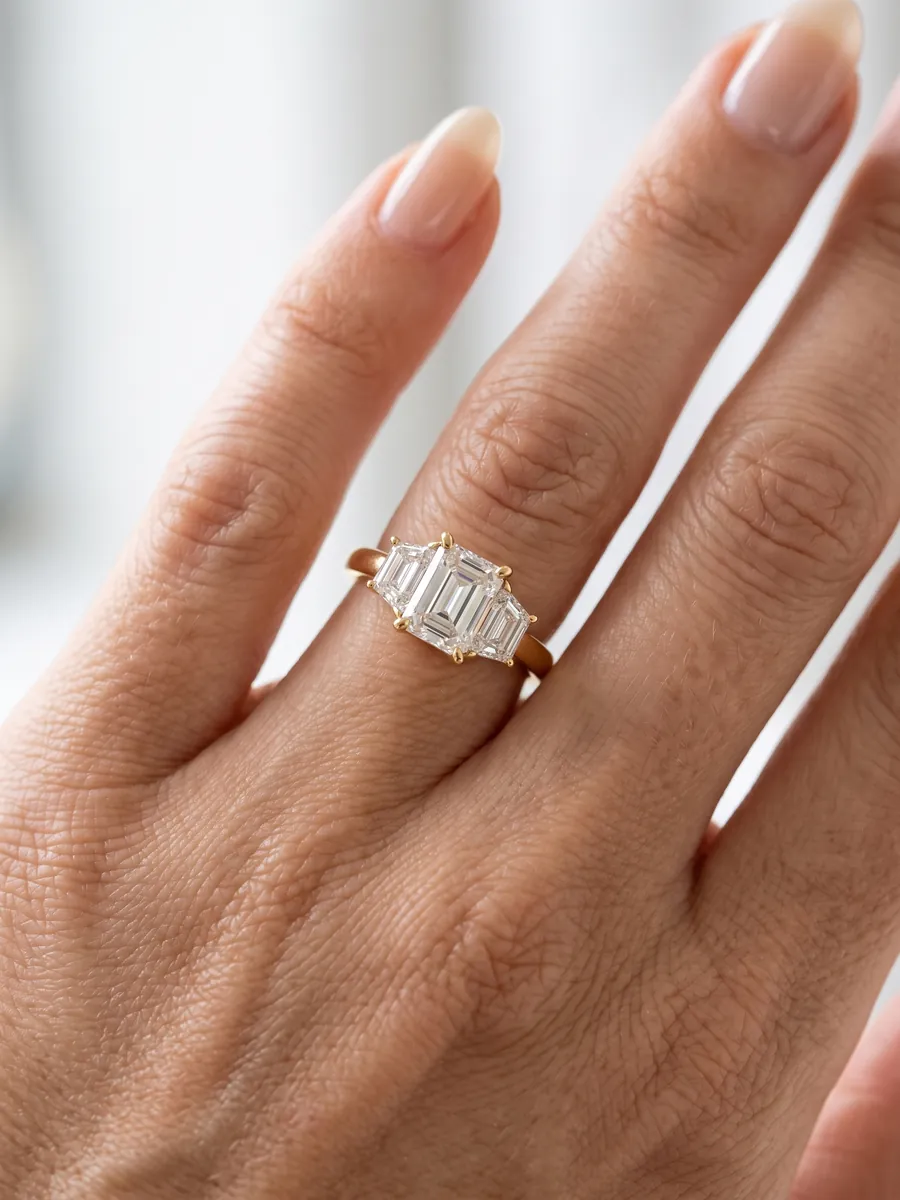
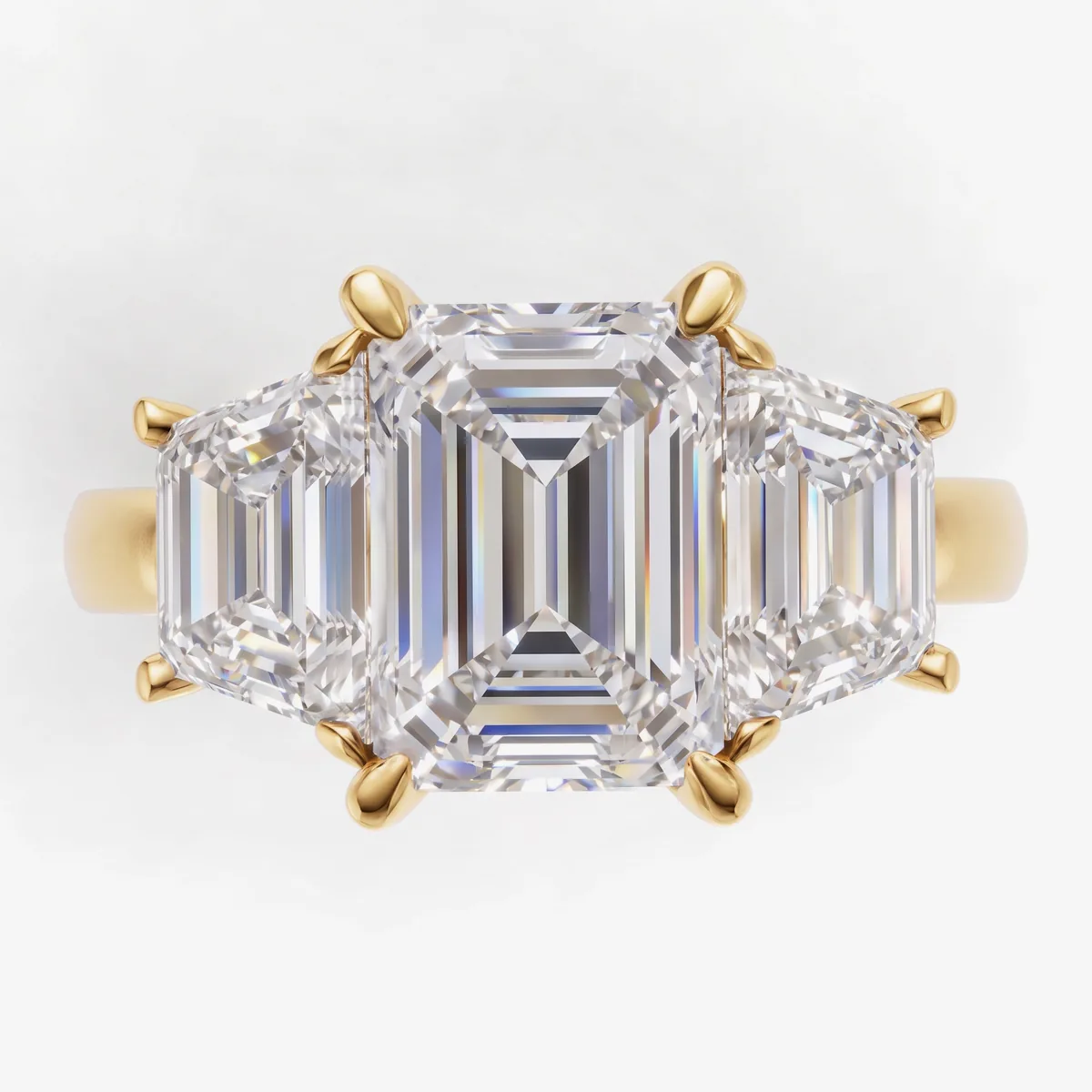
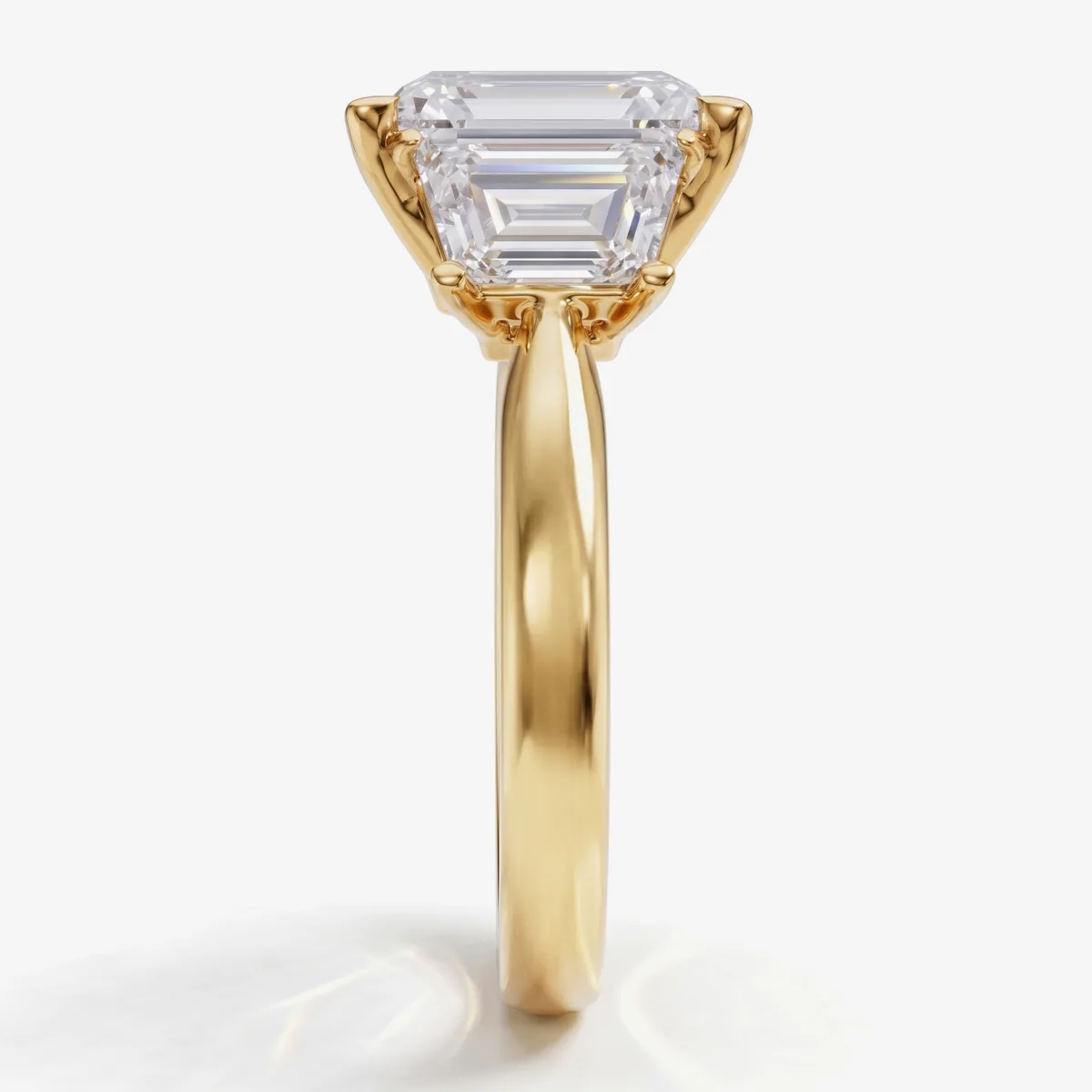
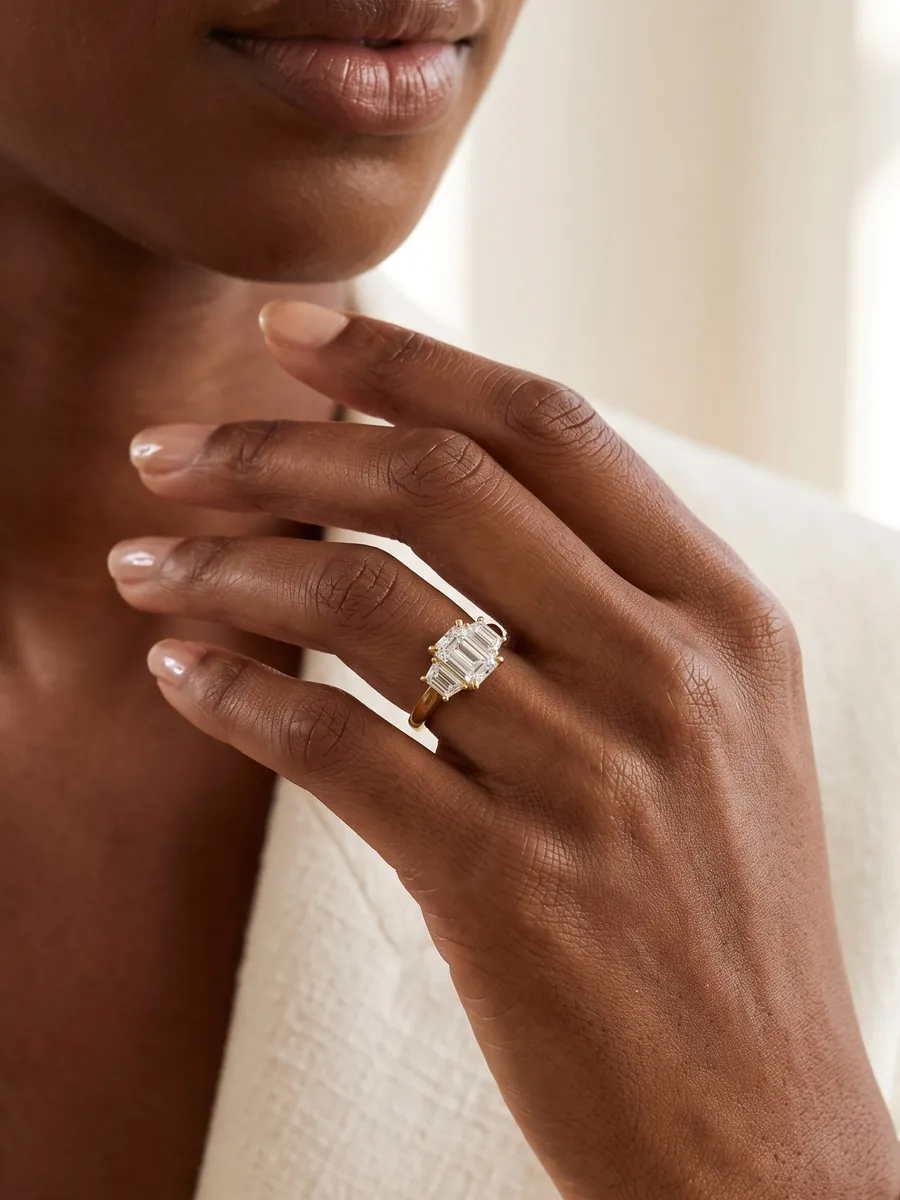
Ashley
Emerald trilogy
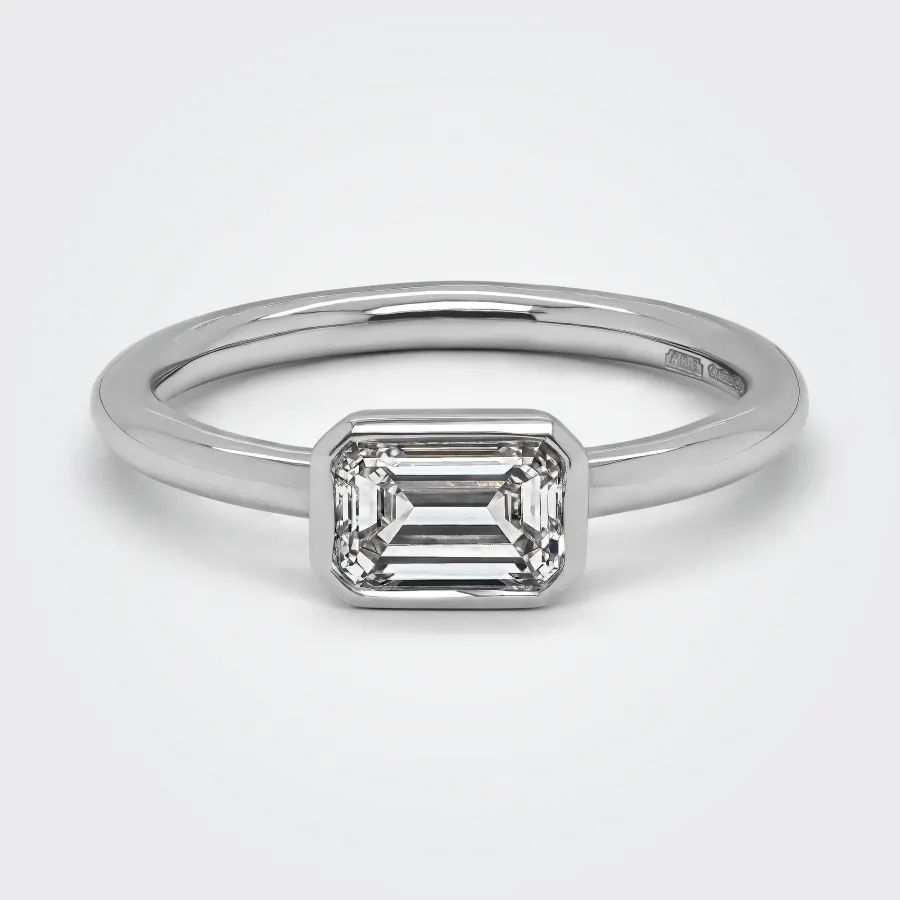
Amara
Emerald solitaire
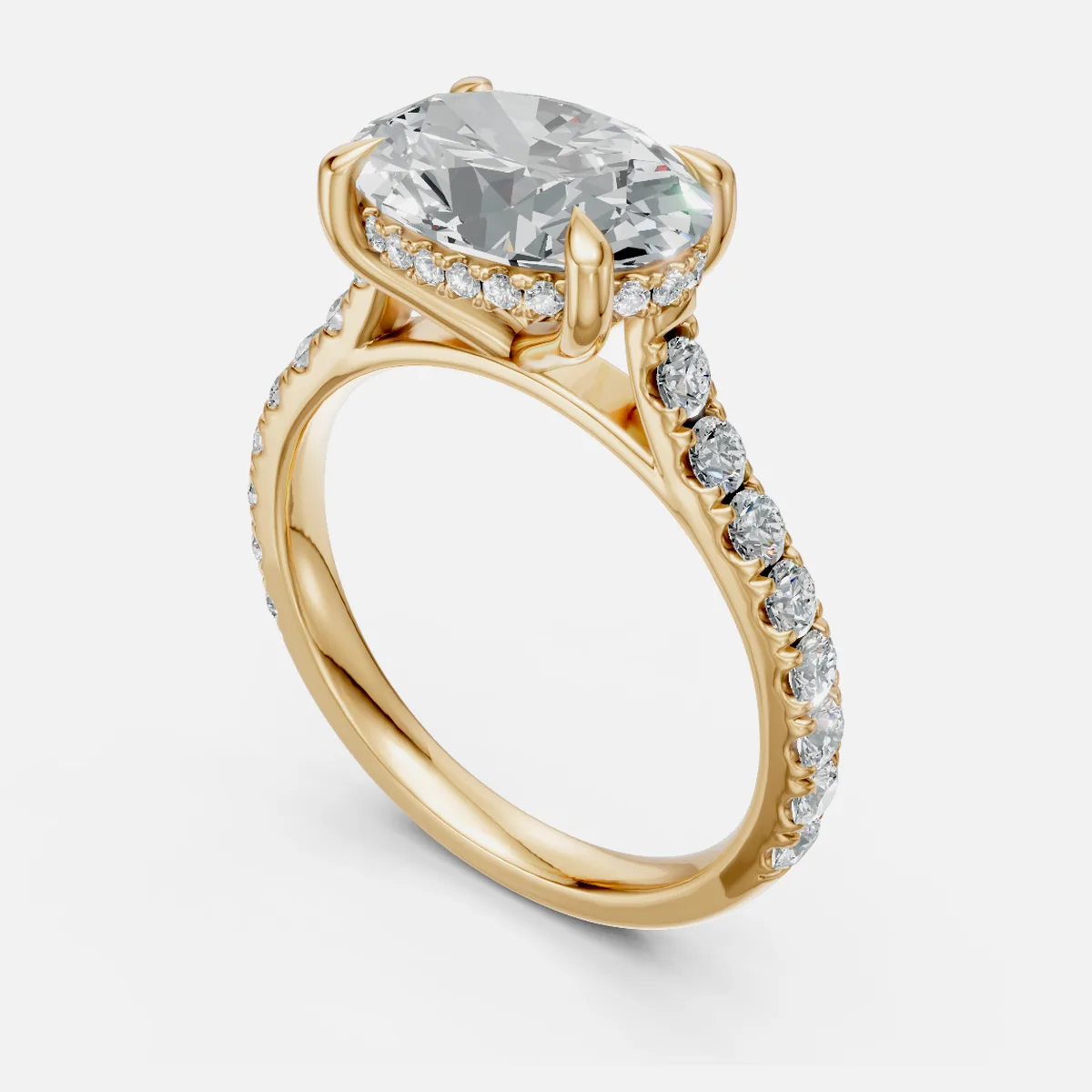
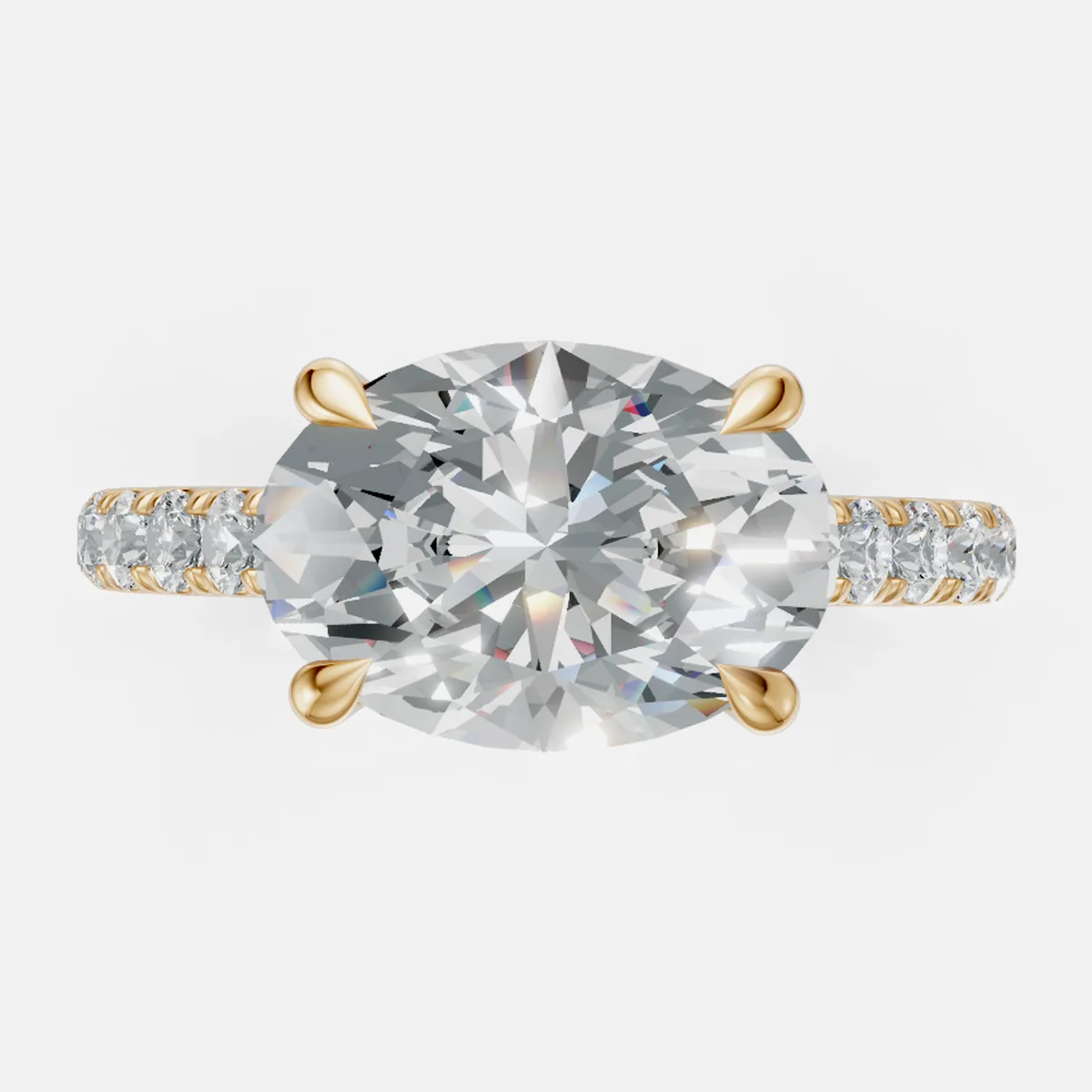
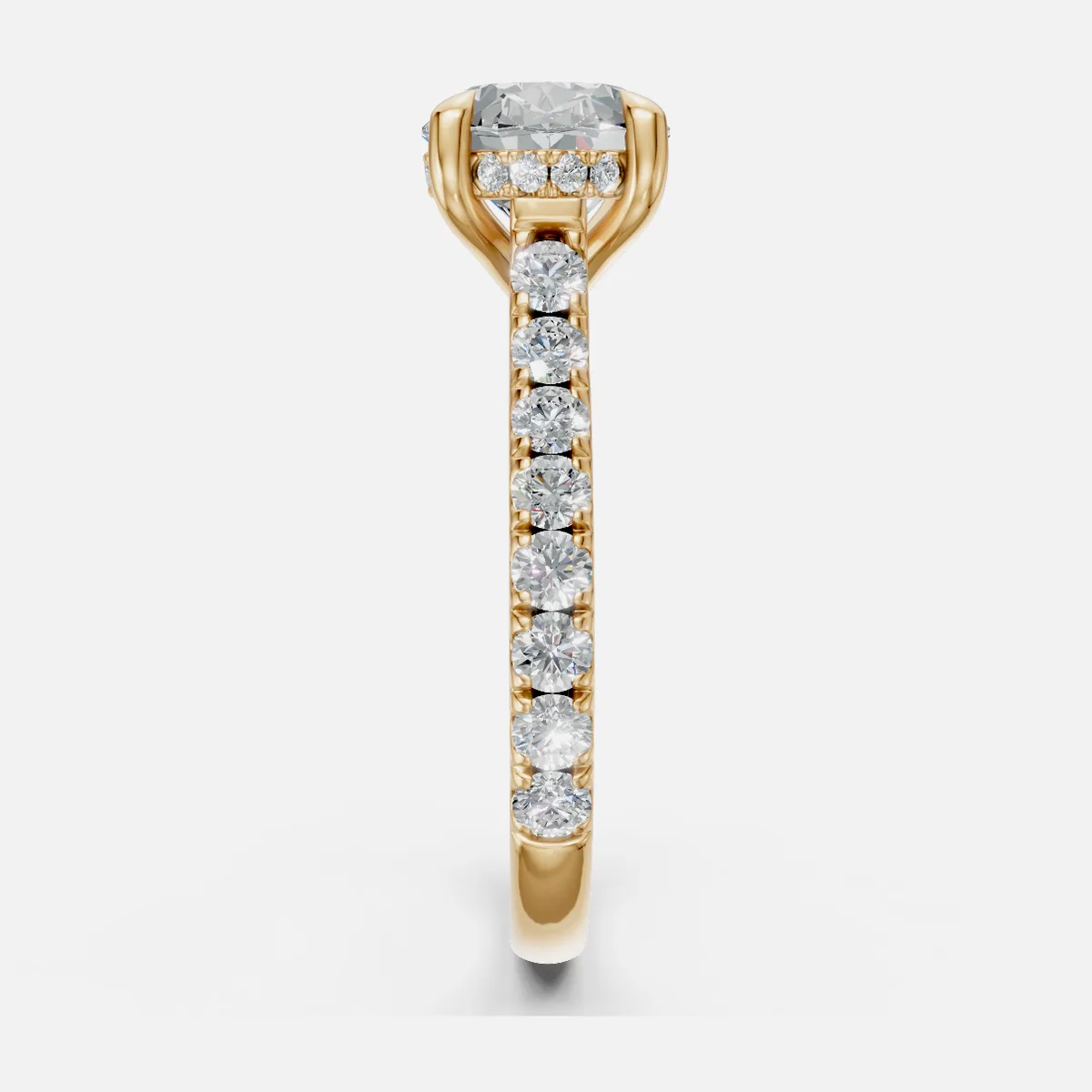
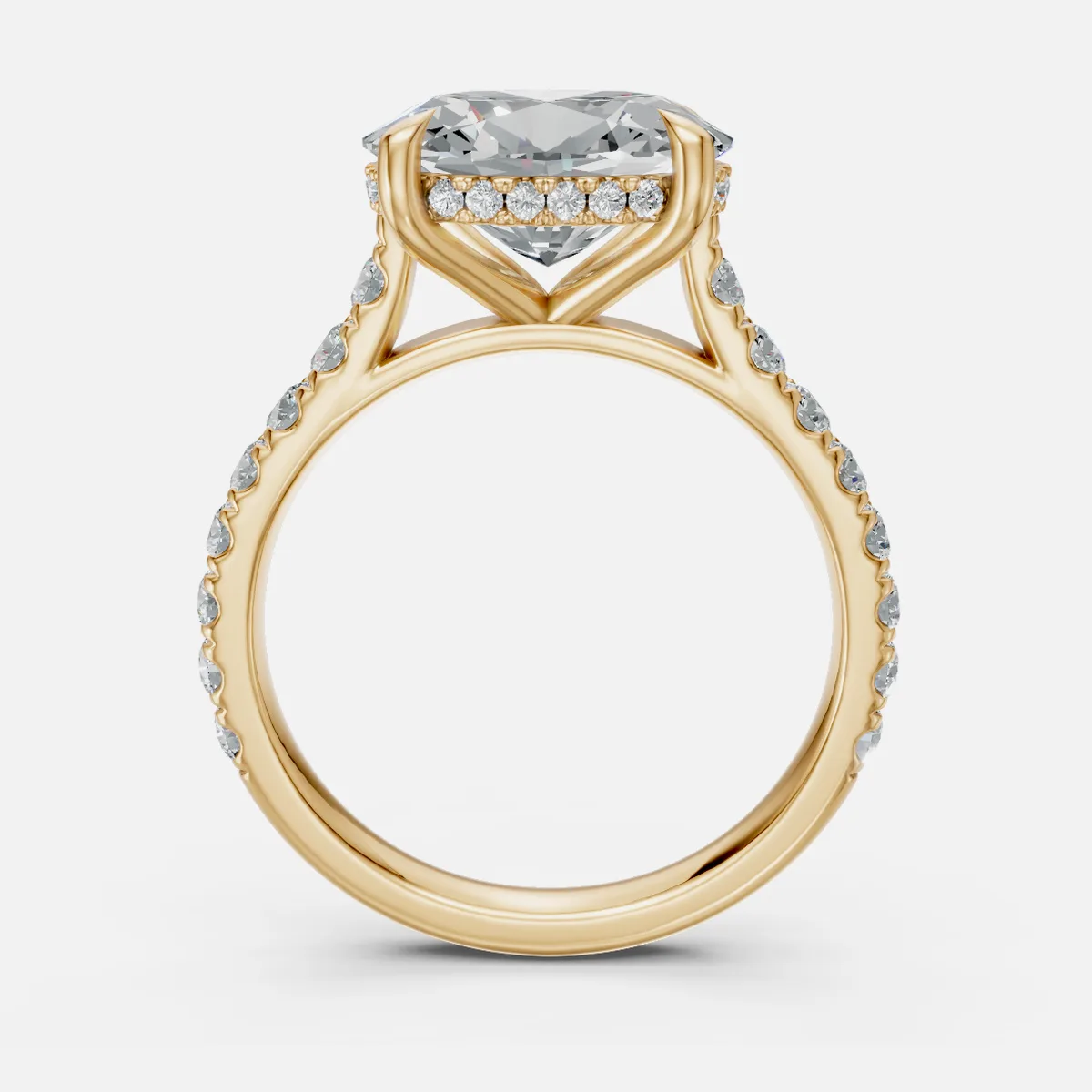
Antonia
Oval solitaire
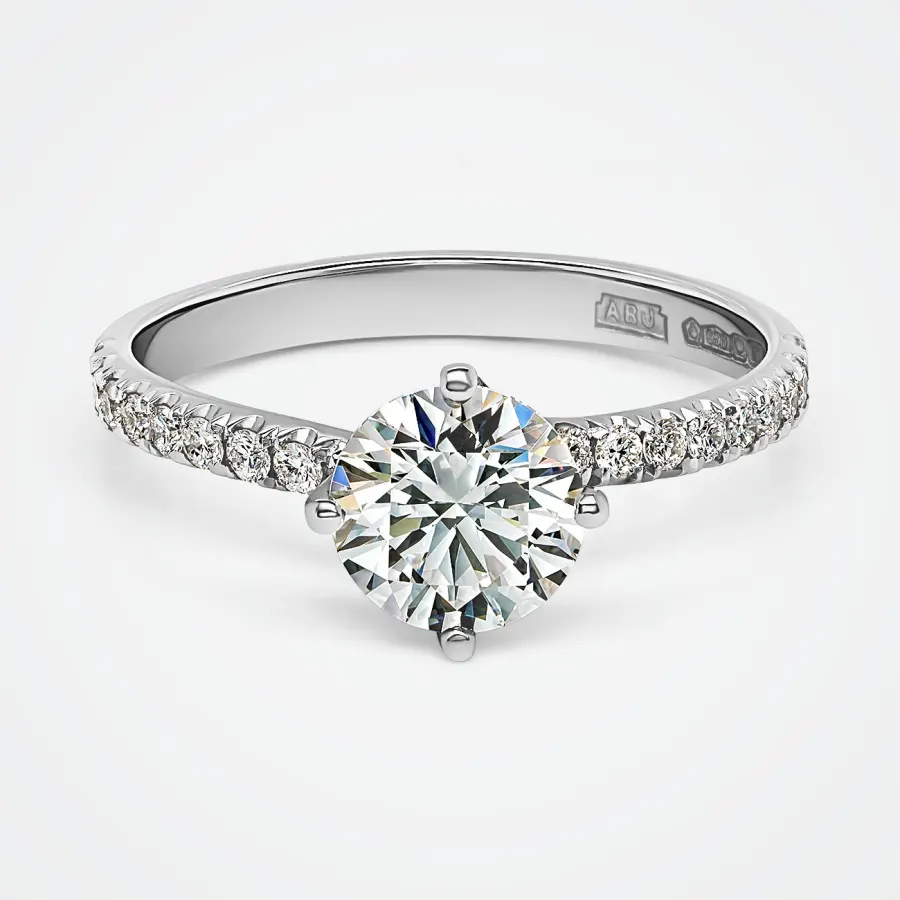
Chloe
Round stone-set shoulders
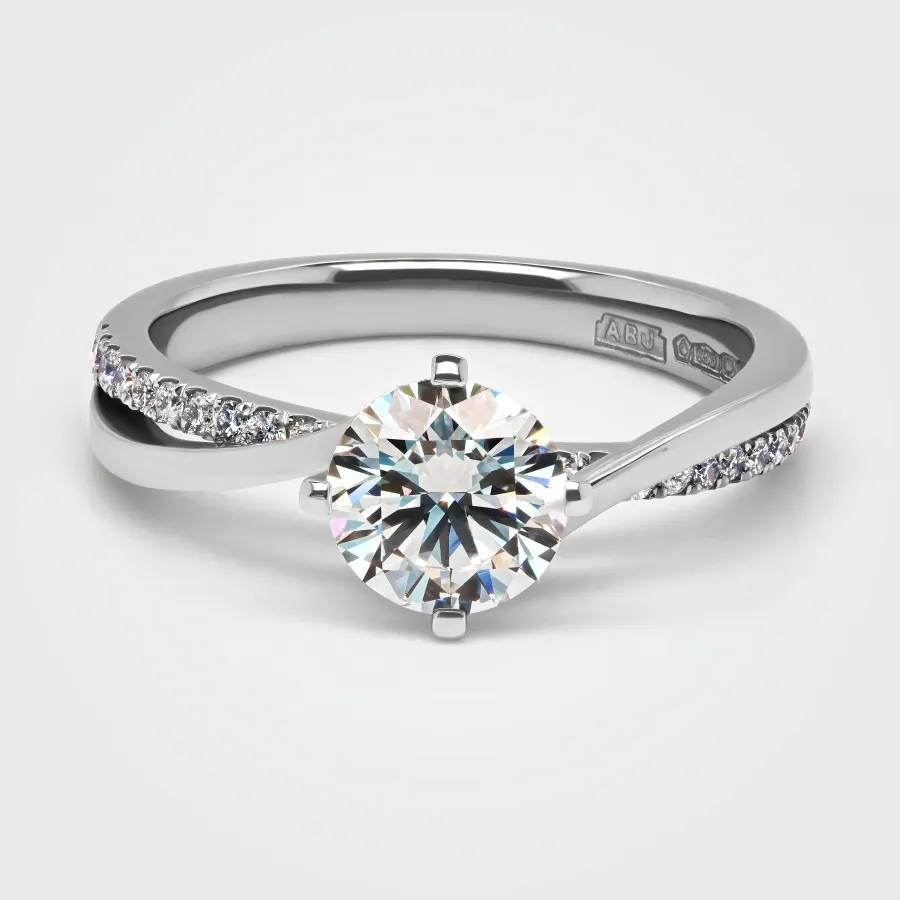
Clara
Round stone-set shoulders
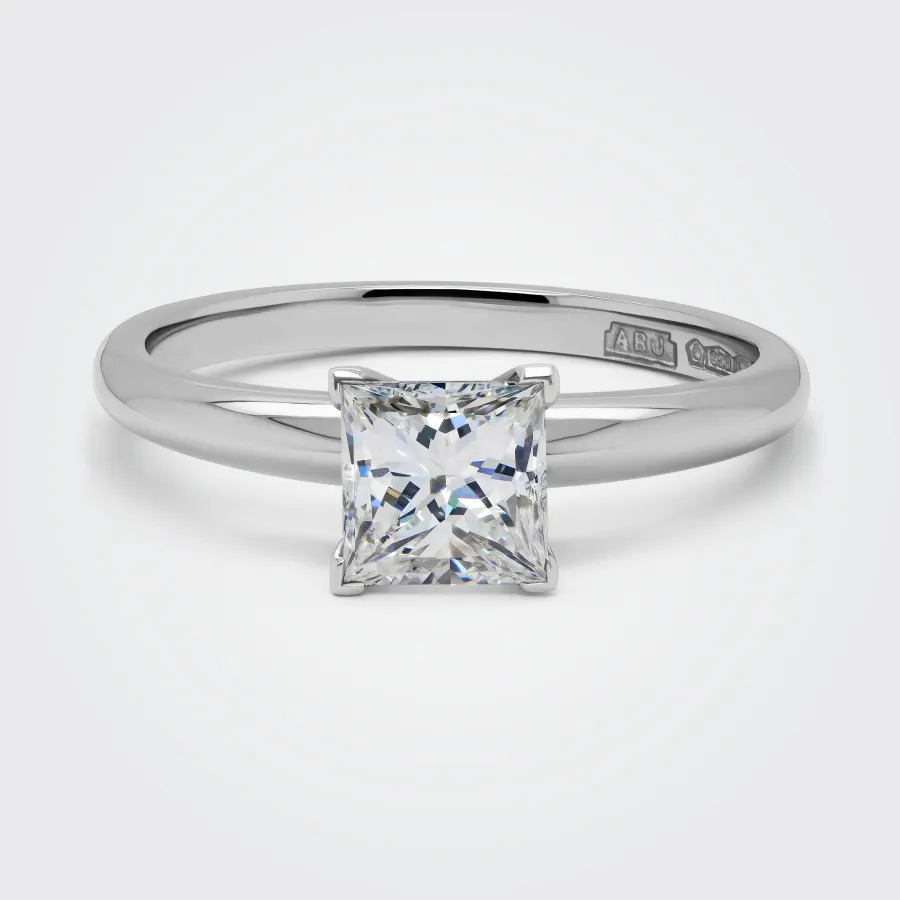
Cruz
Princess solitaire
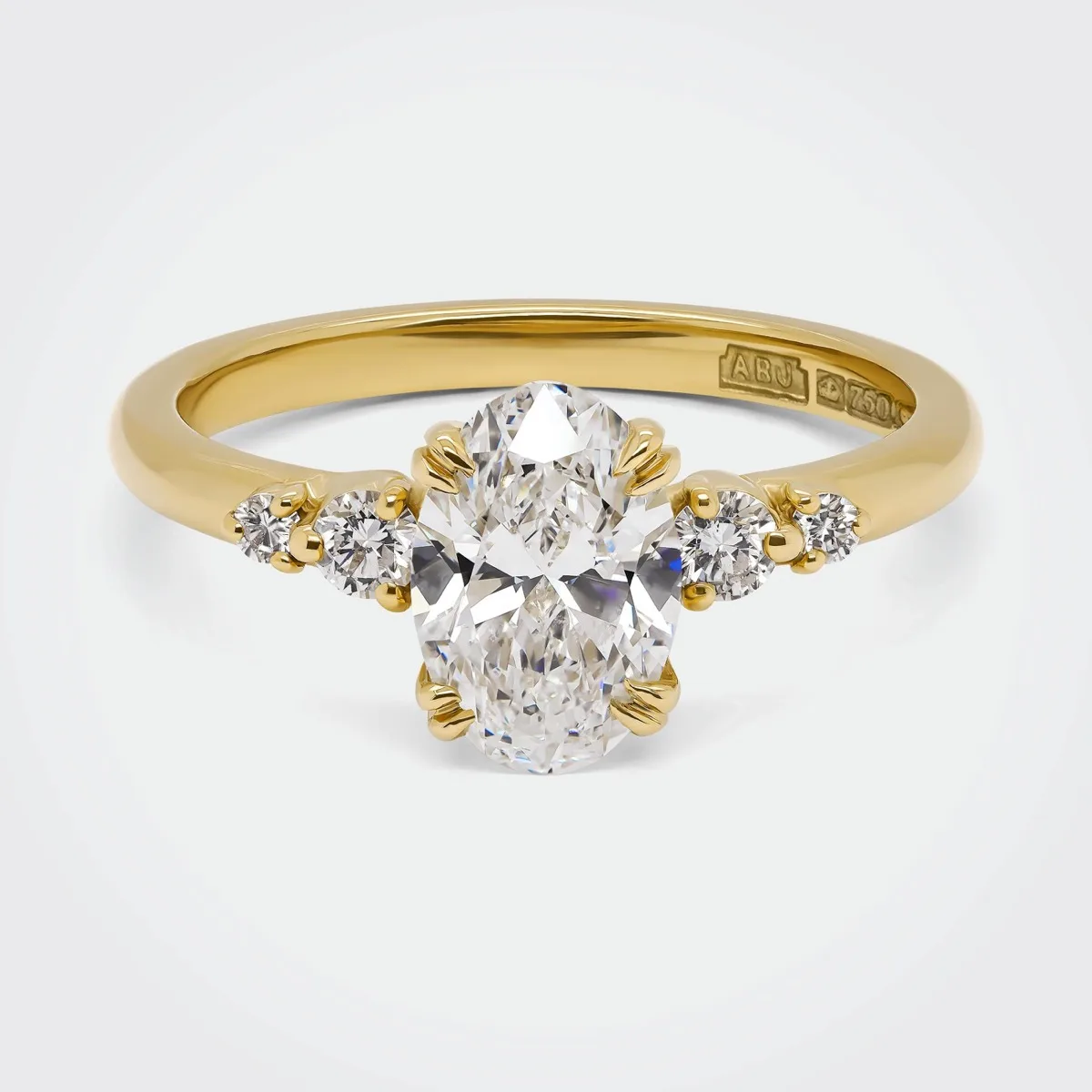
Deniz
Oval stone-set shoulders
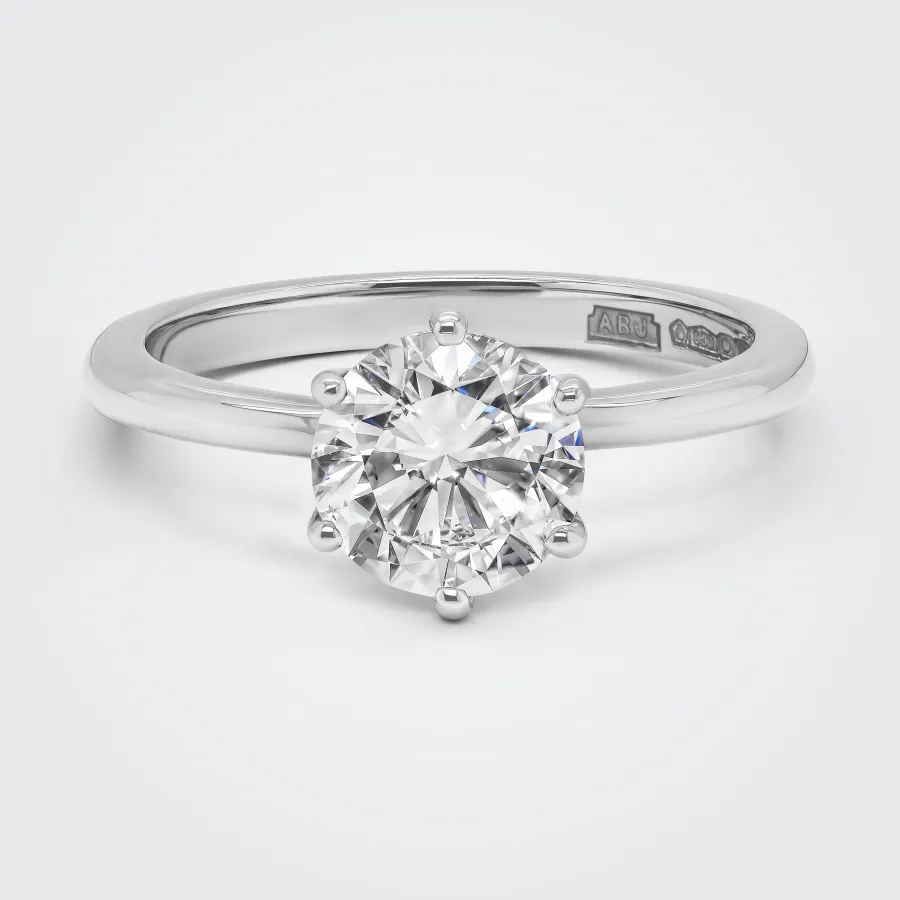
Elena
Round solitaire
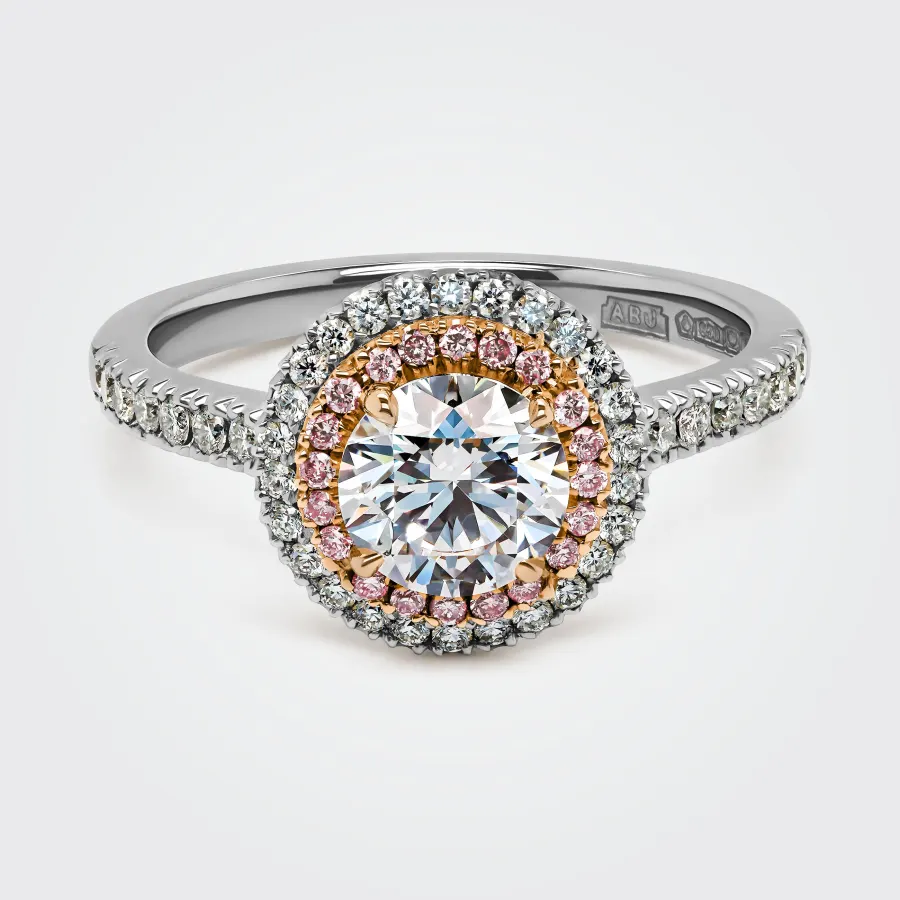
Fara
Round halo
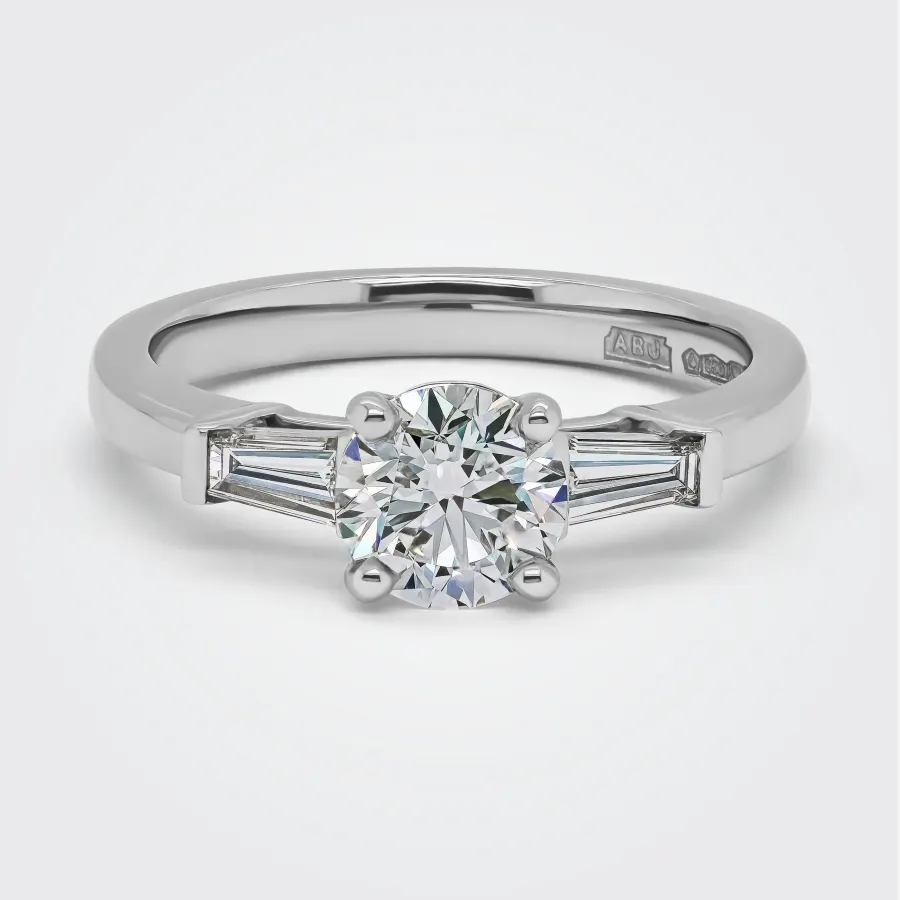
Florence
Round trilogy
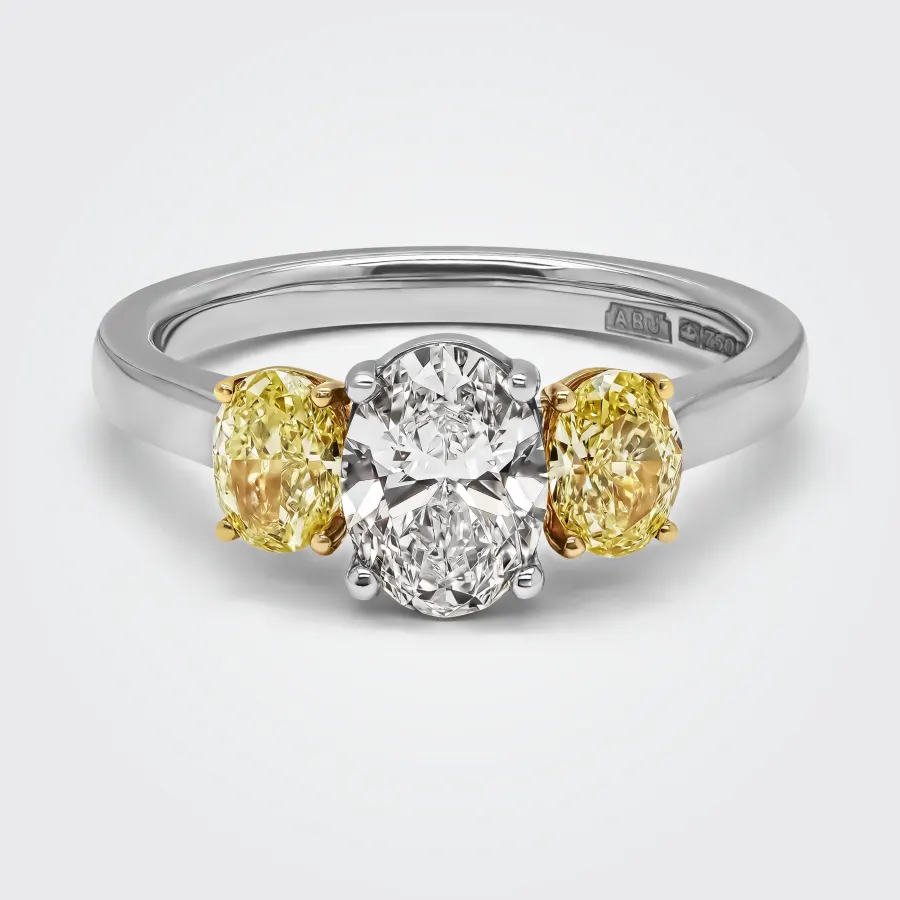
Gabrielle
Oval trilogy
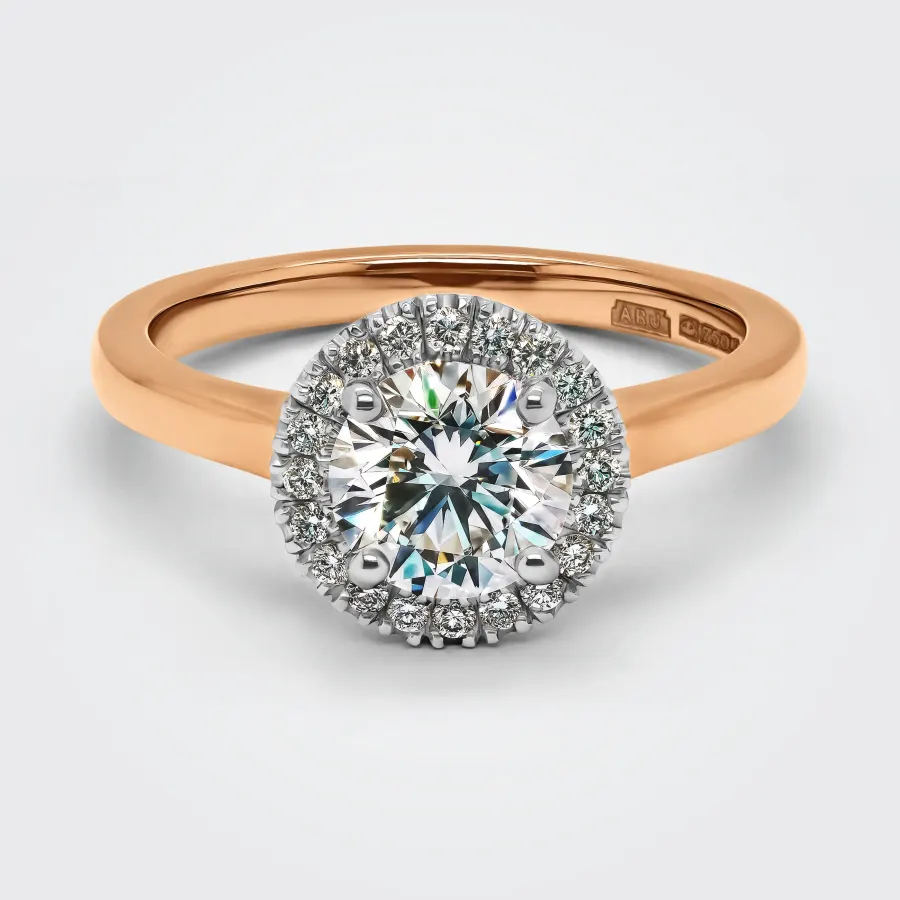
Hailey
Round halo
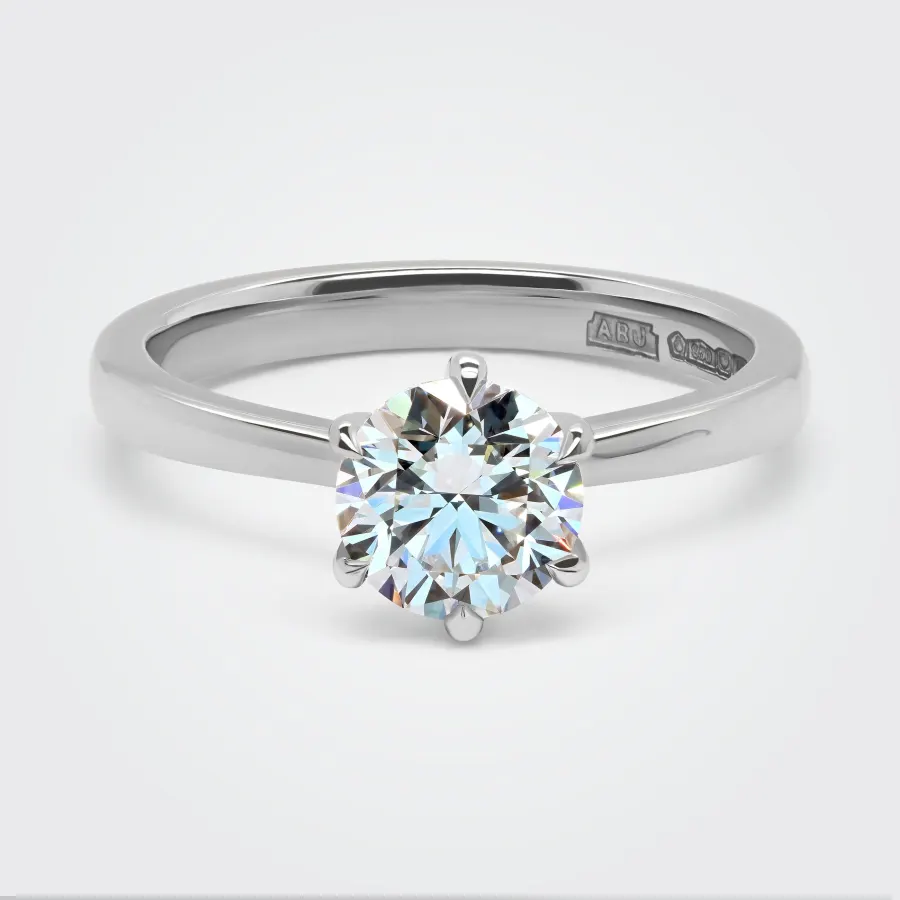
Jane
Round solitaire
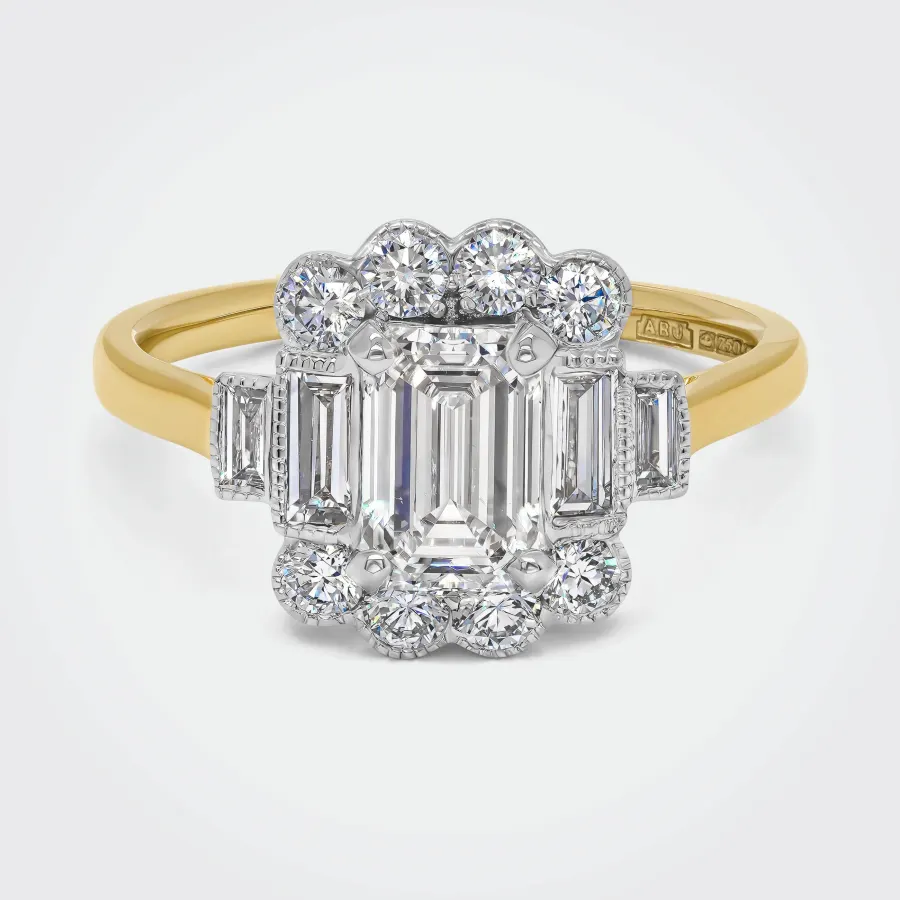
Jennifer
Emerald vintage
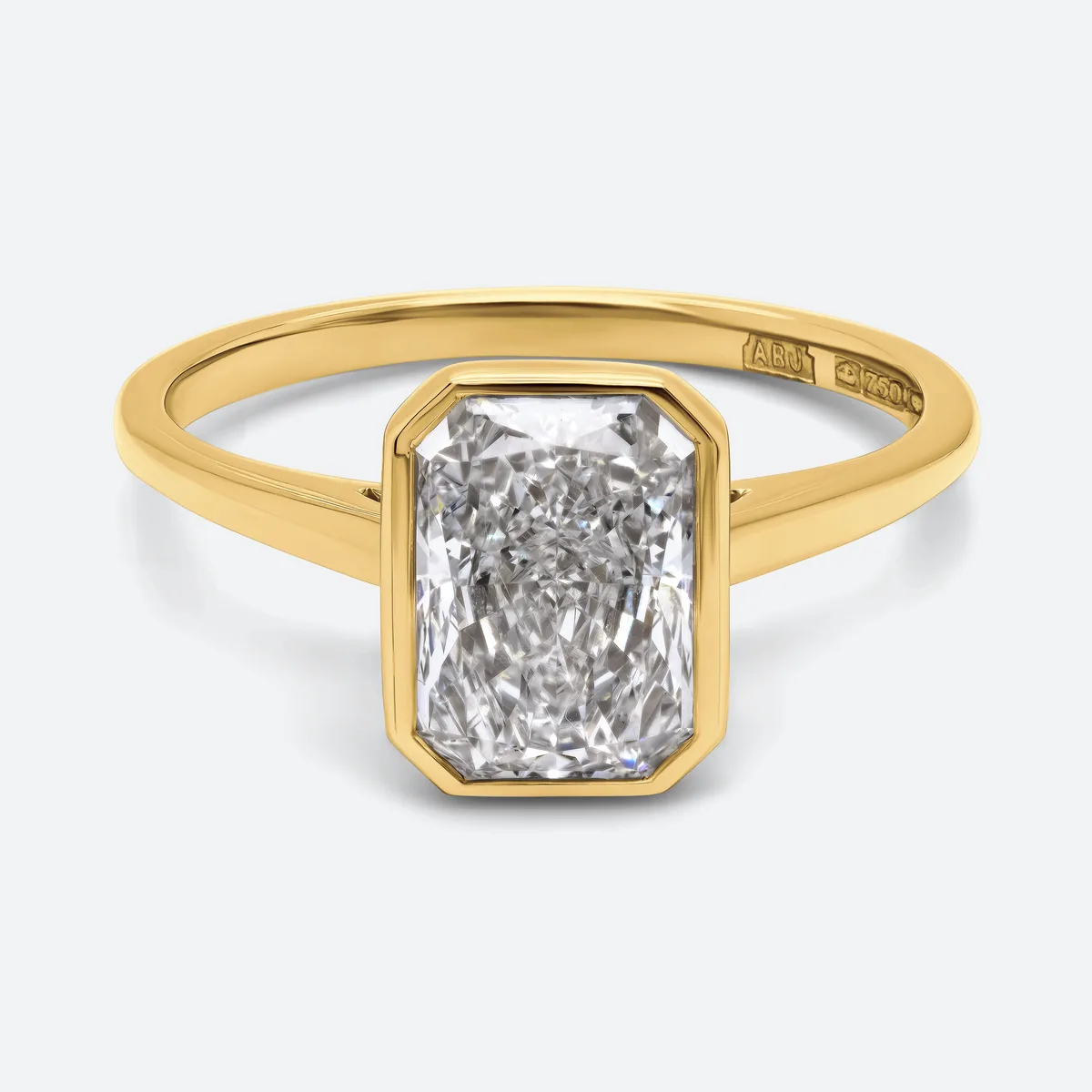
Kara
Radiant solitaire
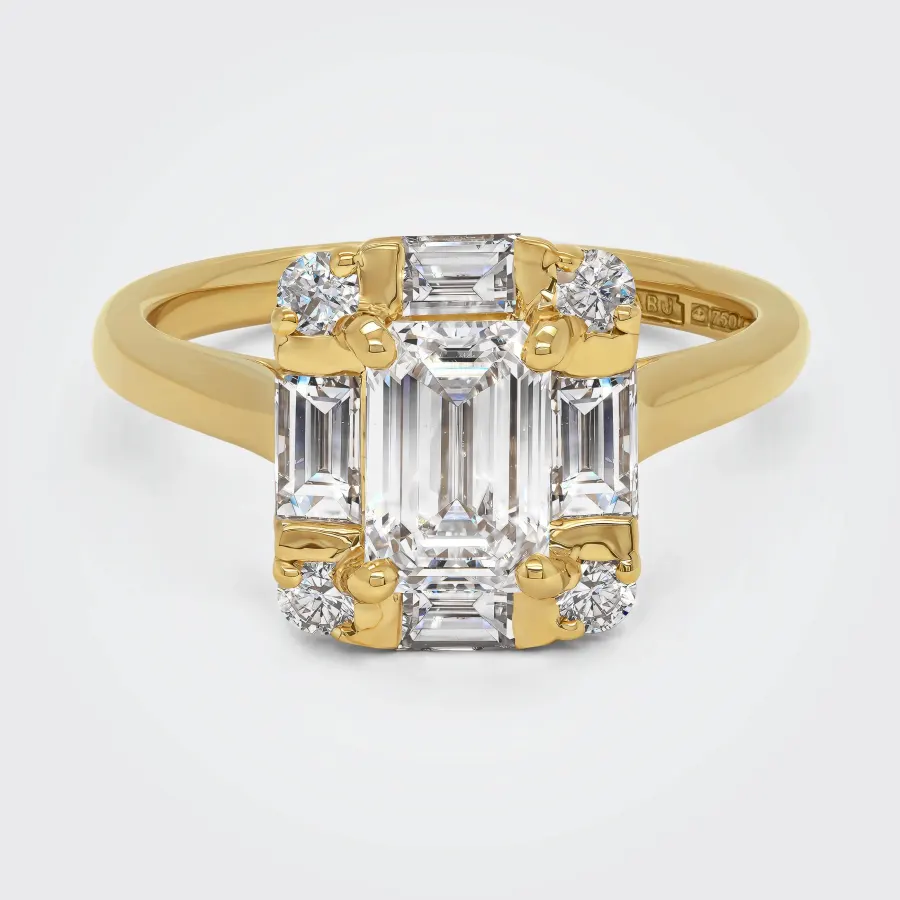
Kirsty
Emerald vintage
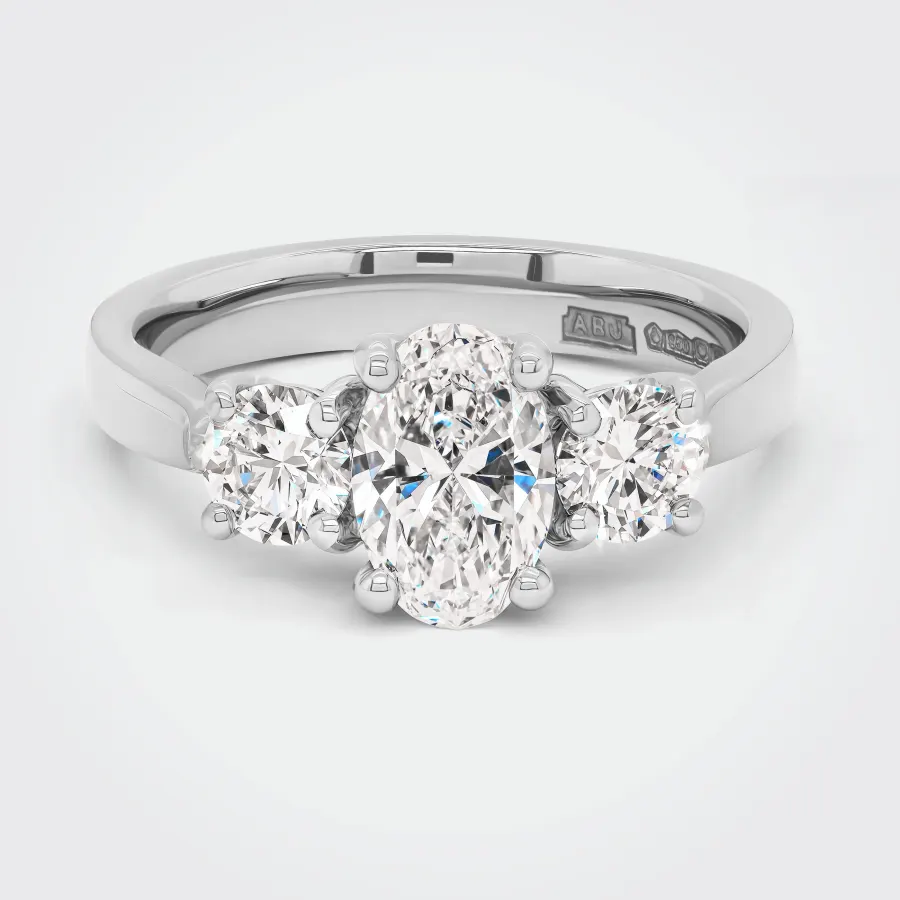
Madelyn
Oval trilogy
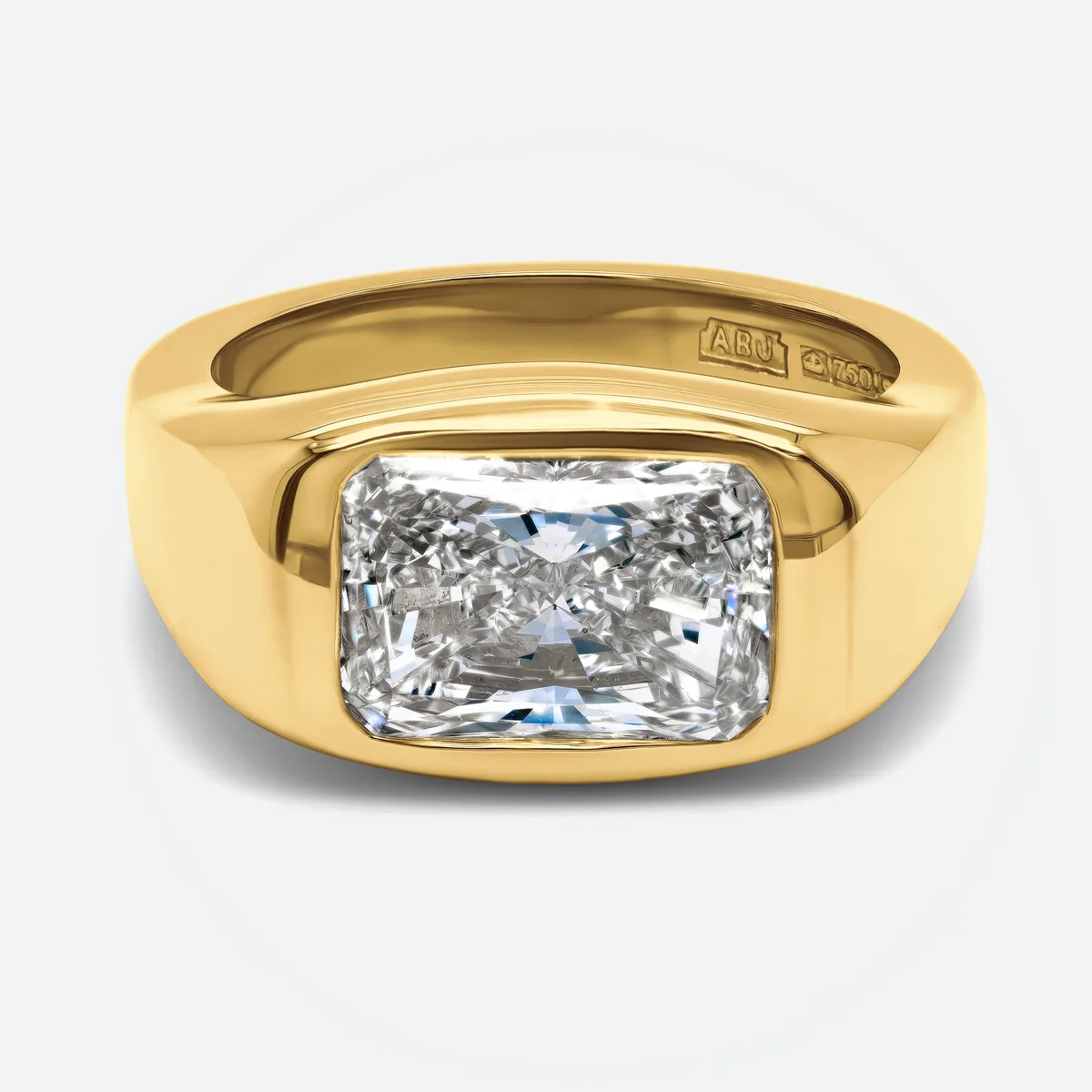
Miley
Radiant solitaire
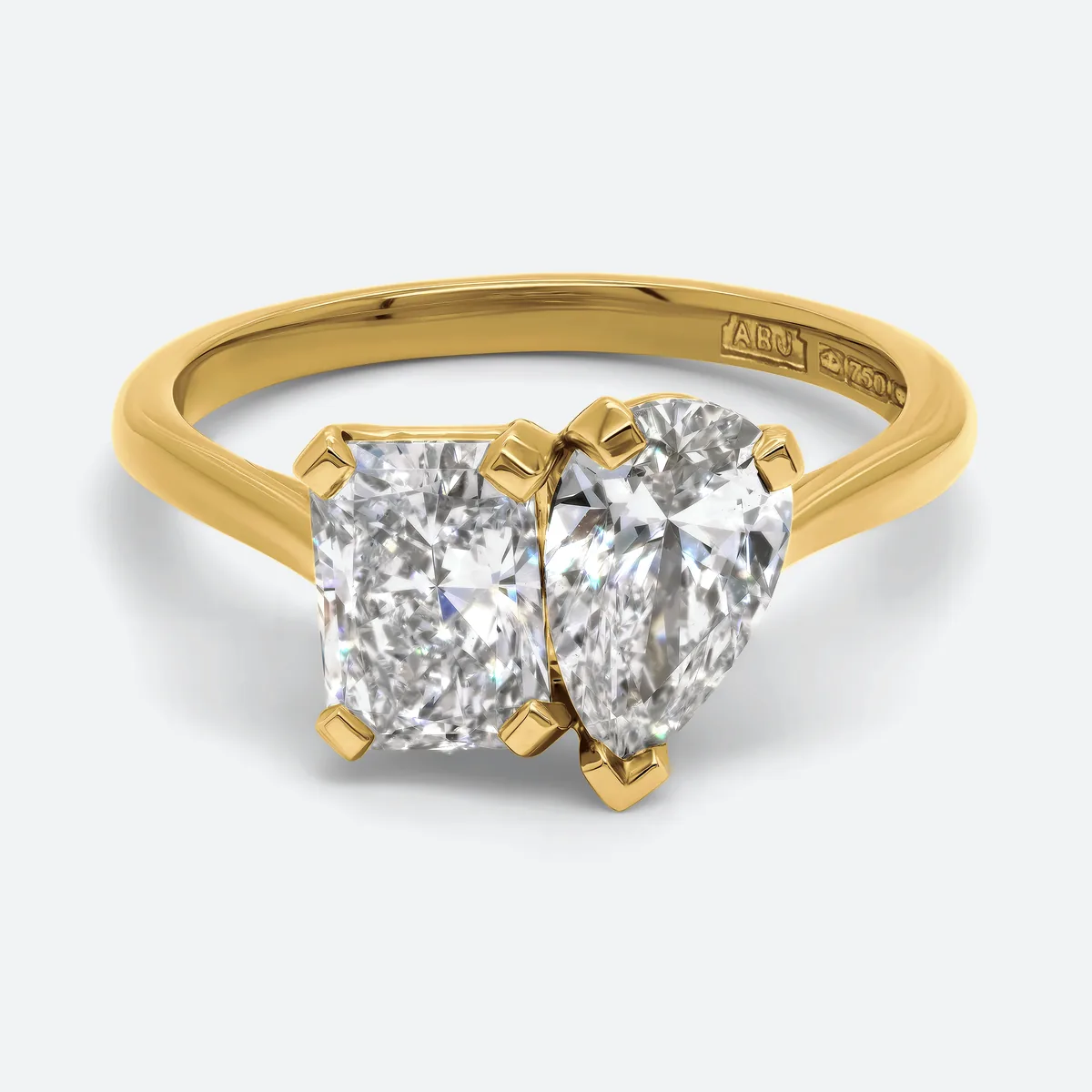
Moi & Toi
Emerald two stone
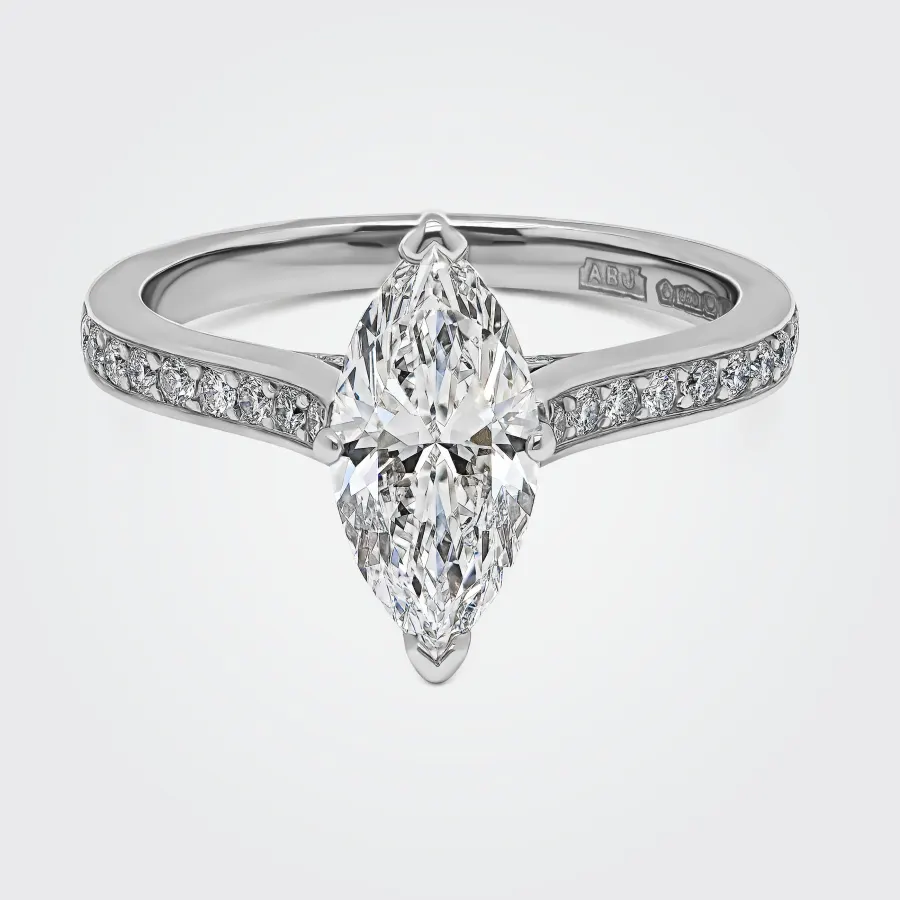
Noa
Marquise stone-set shoulders
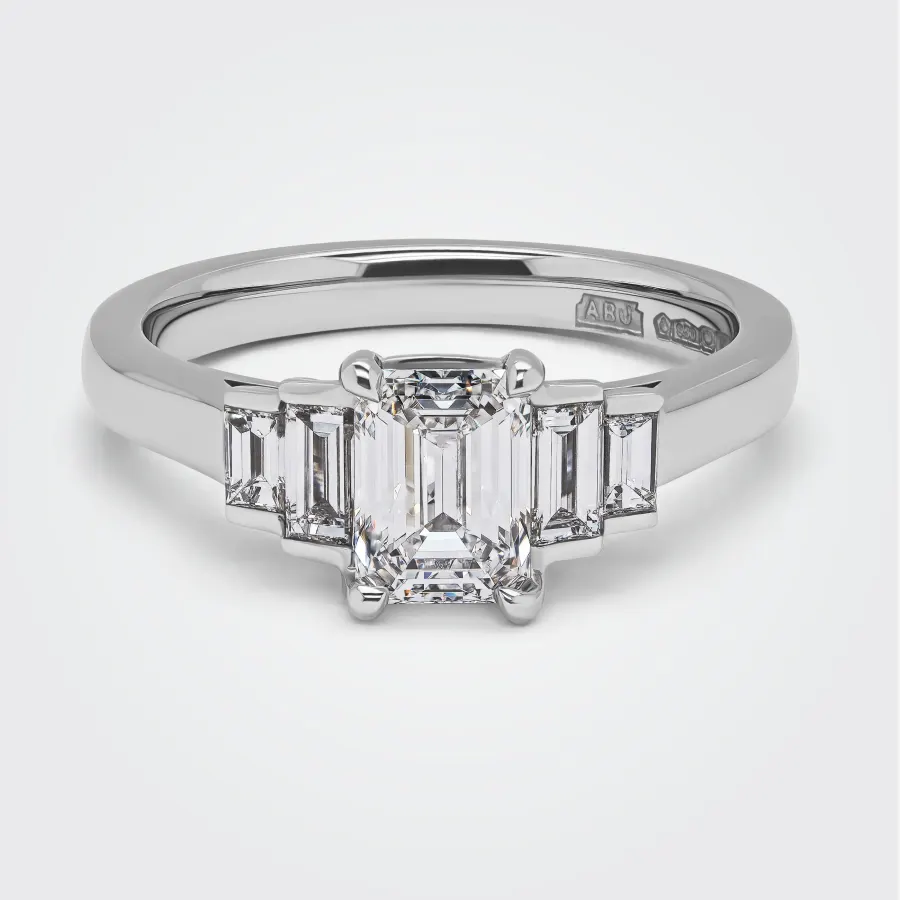
Quinn
Emerald five stone
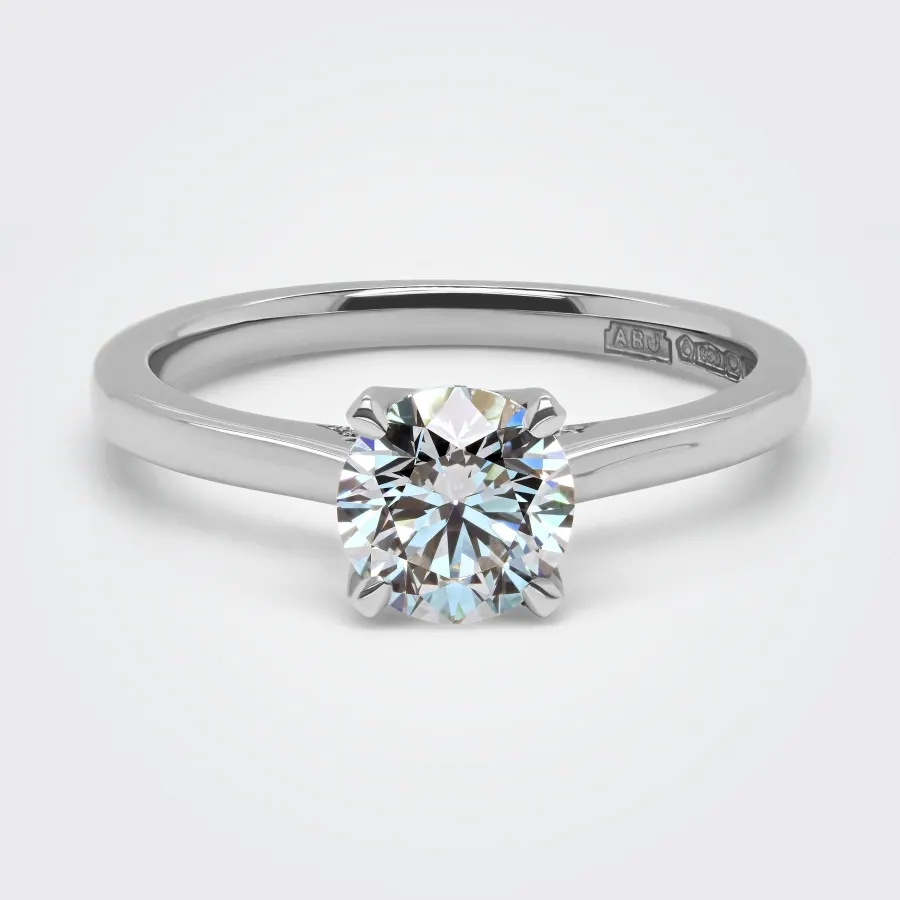
Rocher
Round hidden halo
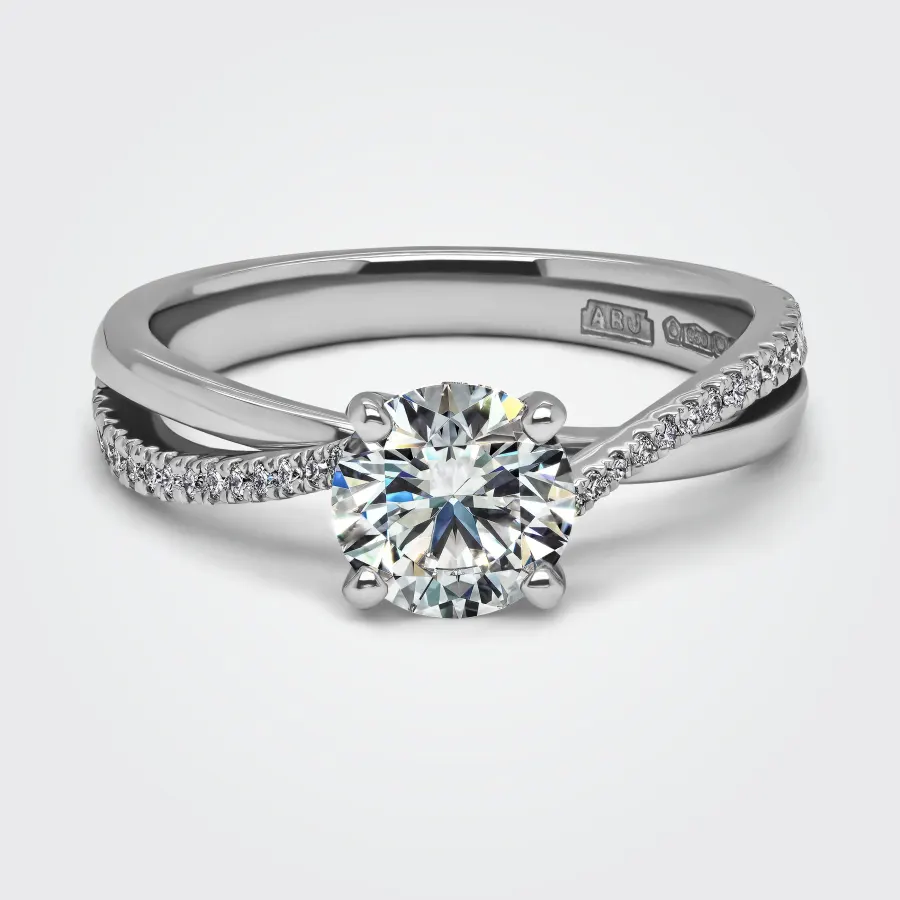
Sammy
Round stone-set shoulders
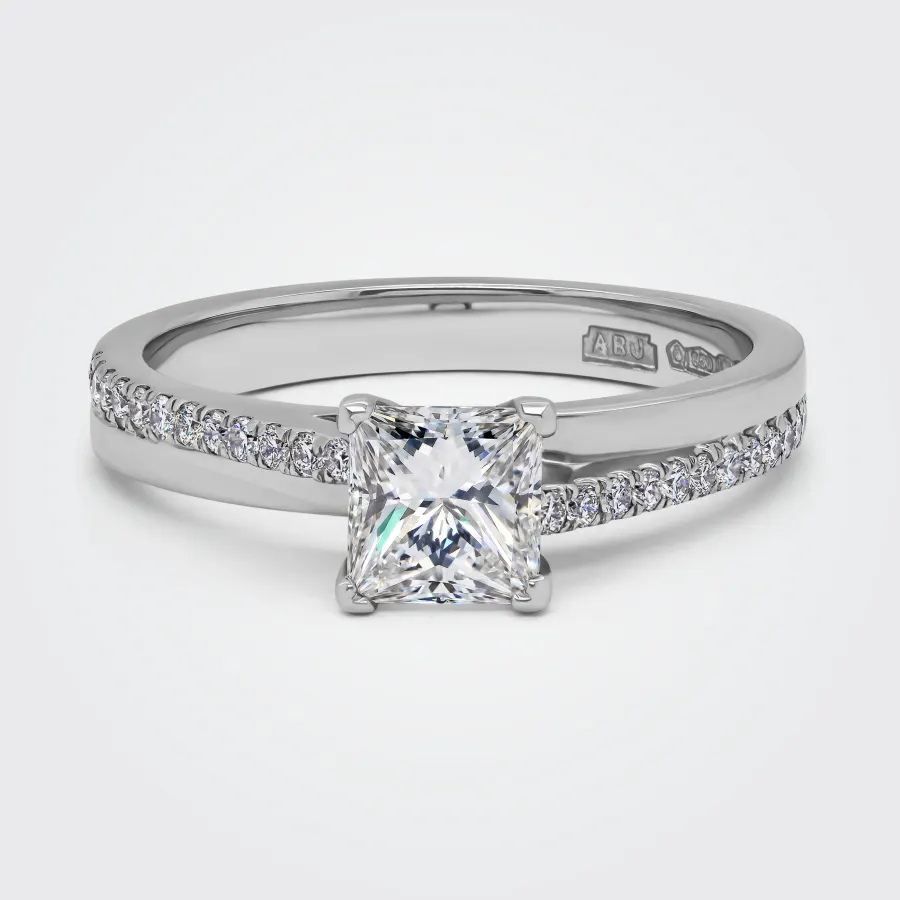
Sephora
Princess stone-set shoulders
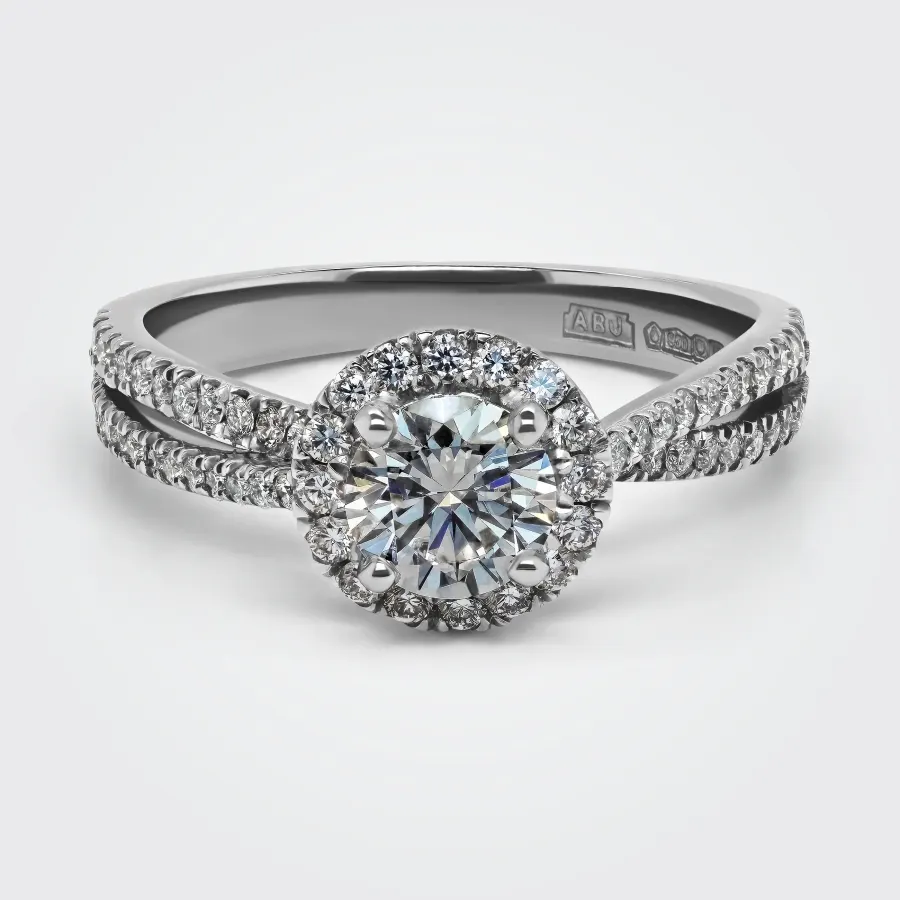
Willow
Round halo
No design matches that mix.
See lab-grown and natural diamonds side by side before you choose. We’ll talk you through every price, with no pressure.
Engagement ring shopping: your lab-grown diamond
Never bought a diamond before? Perfect. Most people who visit us haven't either. We'll guide you through it, showing you as many diamonds and designs as you'd like to see, and explaining what really matters along the way.
- Is a lab-grown diamond a real diamond?
Yes. A lab-grown diamond is made of the same carbon crystal as a mined diamond, with the same hardness and sparkle. Each one comes with an independent IGI certificate confirming its size, colour and clarity, and stating that it’s lab-grown, so you always know exactly what you are purchasing.
- Complete clarity
Every ring is handmade in our own Hatton Garden workshops, with no middlemen, so we can keep our prices as competitive as possible. No hidden surprises: every price is shown before you ask.
- Not sure on the ring size?
We have you covered. We'll make the ring in a standard size (UK L / US 5.5), then resize it free of charge after the proposal so it fits perfectly.
- Want a ring design that tells your story?
It's our speciality. Come and meet us with an idea, a photo or a stone you already have. Our designers will bring it to life, and you can make as many changes as you like before giving us the green light to make it.
- Every diamond certified and conflict-free
- Hallmarked by the UK Assay Office
- Free insured UK delivery
- Free resize within the 1st year
- 60-day returns or exchange
How big can a lab-grown stone be?
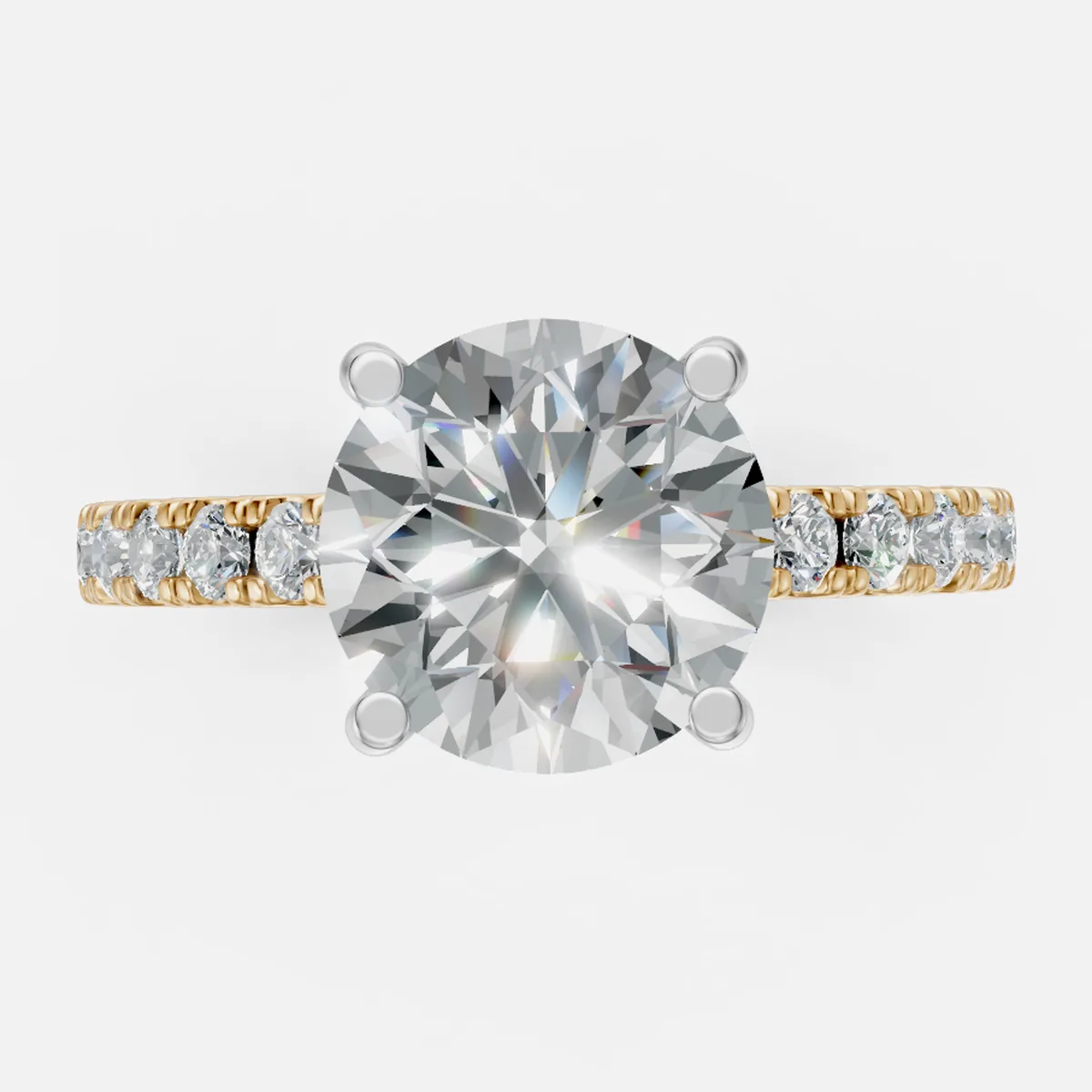
On our ring designs, lab-grown stones start from 0.70ct to 8ct+, and bigger by enquiry. The drawings show each size to scale, seen from above. A 2 carat lab-grown diamond is £1,140; a natural stone of the same grade is £15,360. We tend to see clients choose from a 2ct to 4ct diamond.
2 carat lab-grown engagement ringsWhat is a lab-grown diamond?
A lab-created diamond, grown from carbon in a laboratory in a matter of weeks by recreating the conditions in which diamonds form naturally. A natural diamond formed deep underground over billions of years. Both are graded on the same colour and clarity scales and look the same to the eye. The difference is rarity and price. Lab-grown vs natural diamonds
Which lab-grown grade should I choose?
Our designs start at G colour and VS2 clarity, which look white and clean to the naked eye, and go up to King’s jewels, D colour and IF (internally flawless) clarity. For most people, G VS2 is the sweet spot. With lab-grown, though, higher grades cost relatively little extra, so many clients choose a D colour for an even brighter look. Every centre diamond comes with an independent certificate confirming its carat, colour and clarity, and is laser-inscribed with its certificate number so you can match the two.
Diamond colour, explainedWhich ring suits a lab-grown diamond?
All of them. Every collection and bespoke design can be made with a lab-grown diamond. Our most popular choices are Lea, an oval diamond with a hidden halo, and Belle, a solitaire that’s especially popular with a radiant or pear diamond. Both show off a larger stone beautifully with the Belle ring also having the option of a hidden halo for extra sparkle if you wish.
Lab-grown diamond engagement ringsLab-grown by carat, ring and jewellery
Carat
Rings
What our customers say
Buying an engagement ring is a scary prospect, but the people here put me at ease and reassured me along the way.
“Perfect ring and wonderful customer service from start to finish. Re sizing is free also which is always a nice bonus. Will be back for our wedding bands!”
“The engagement ring was perfect so we went back for the wedding bands!”
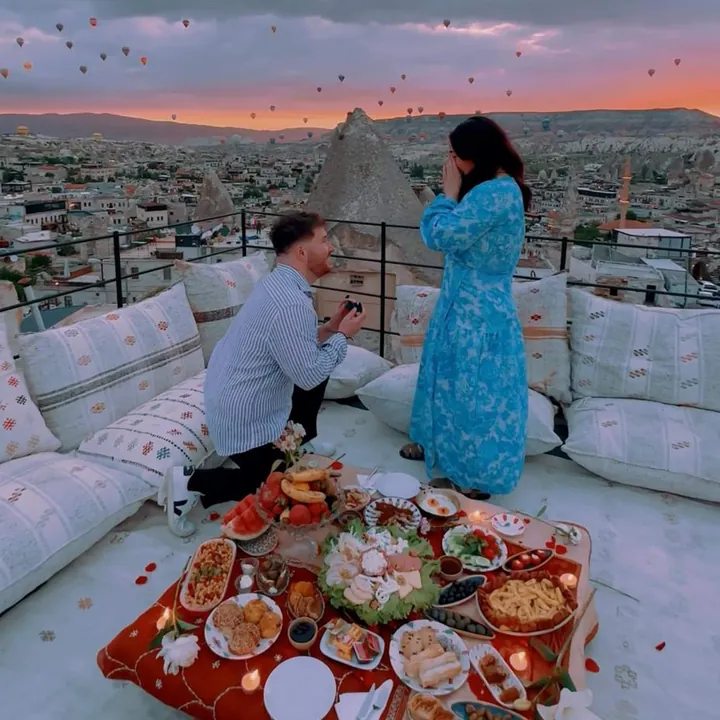
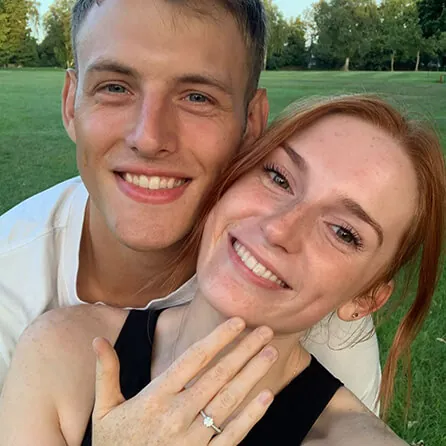
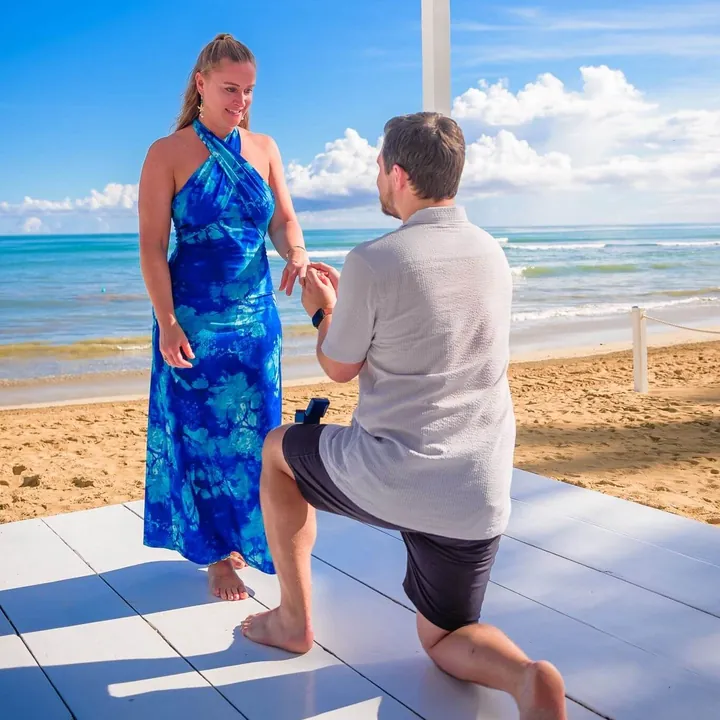
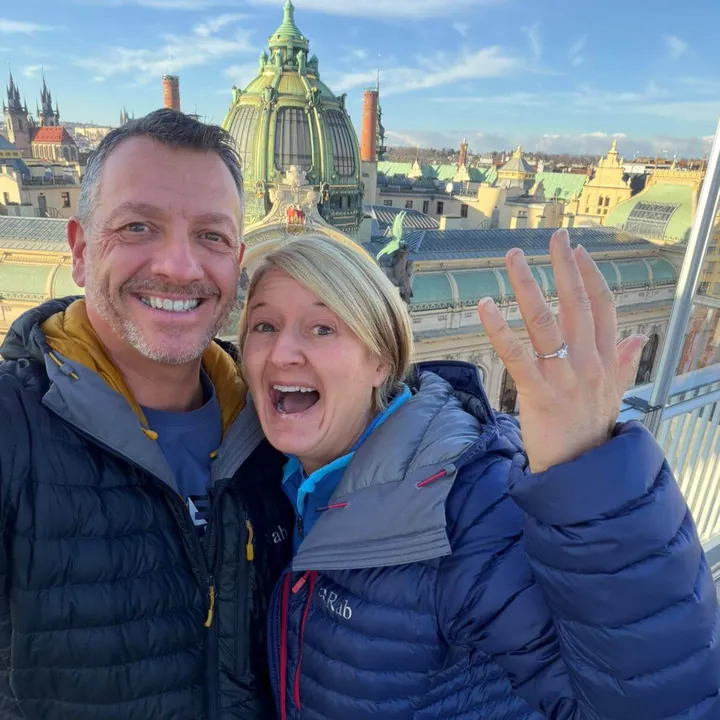
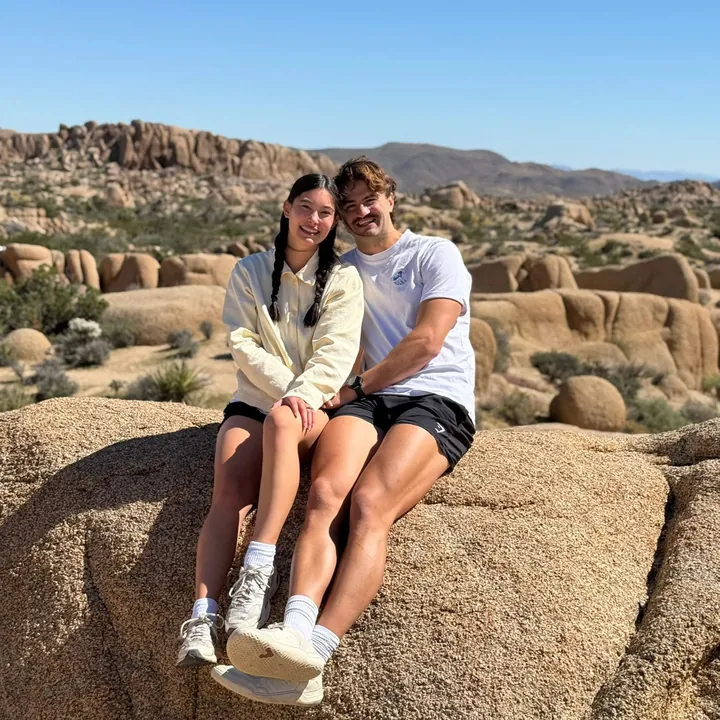
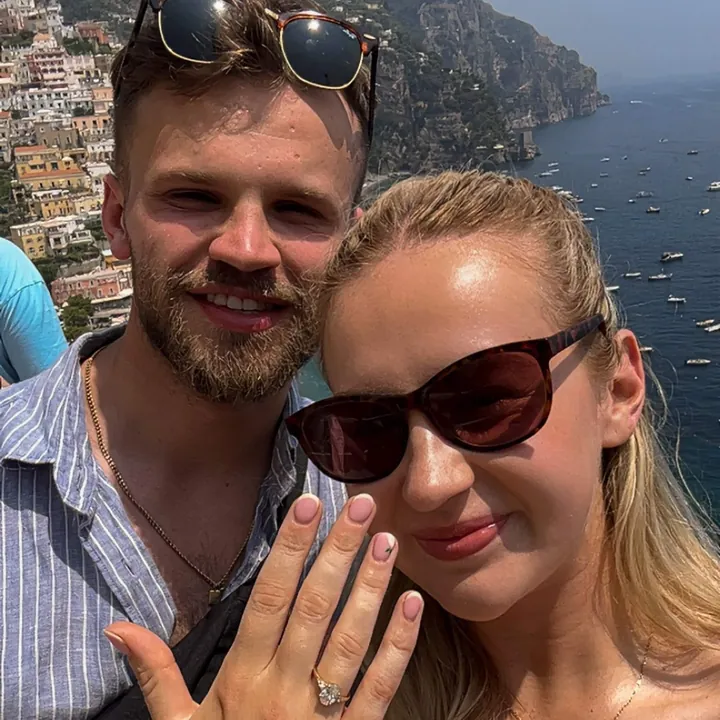
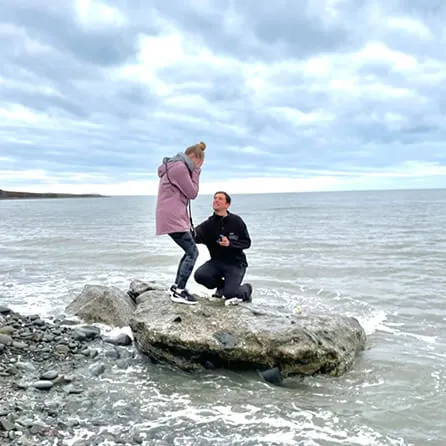
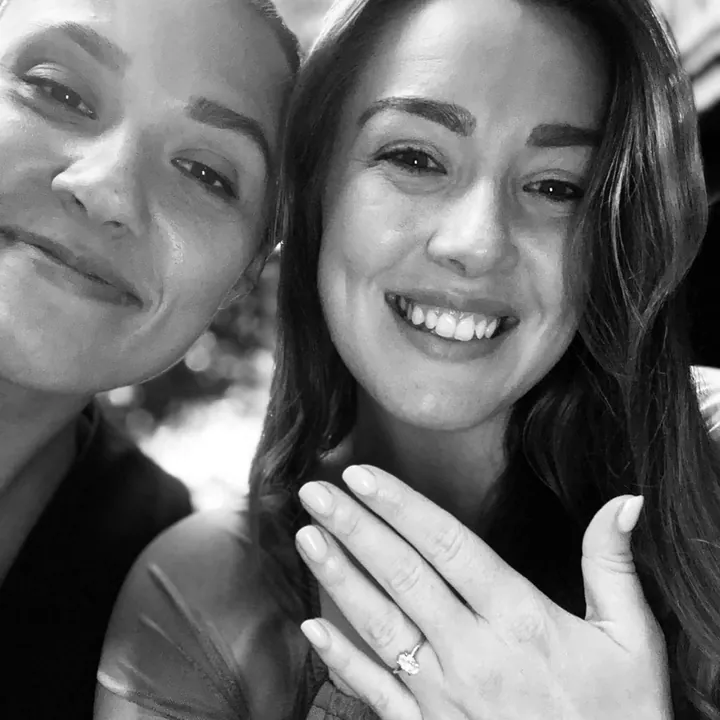
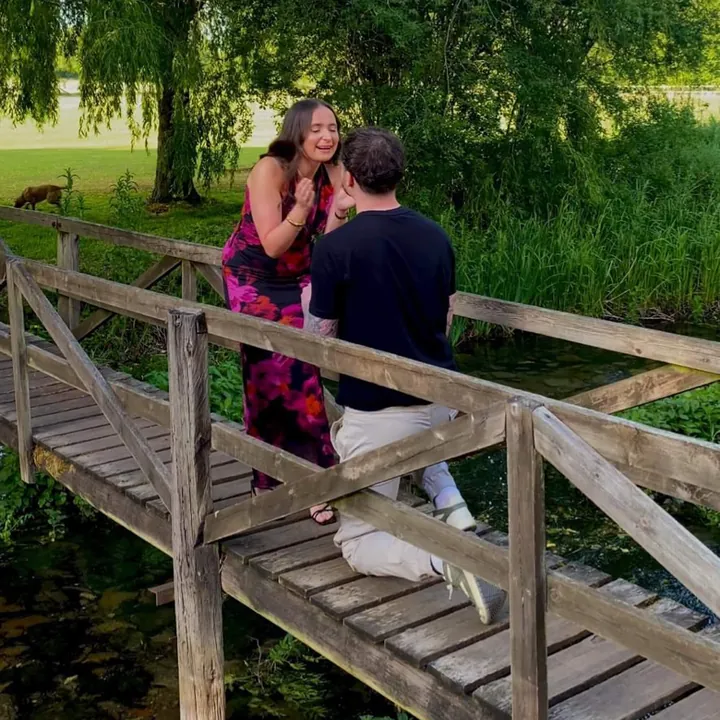
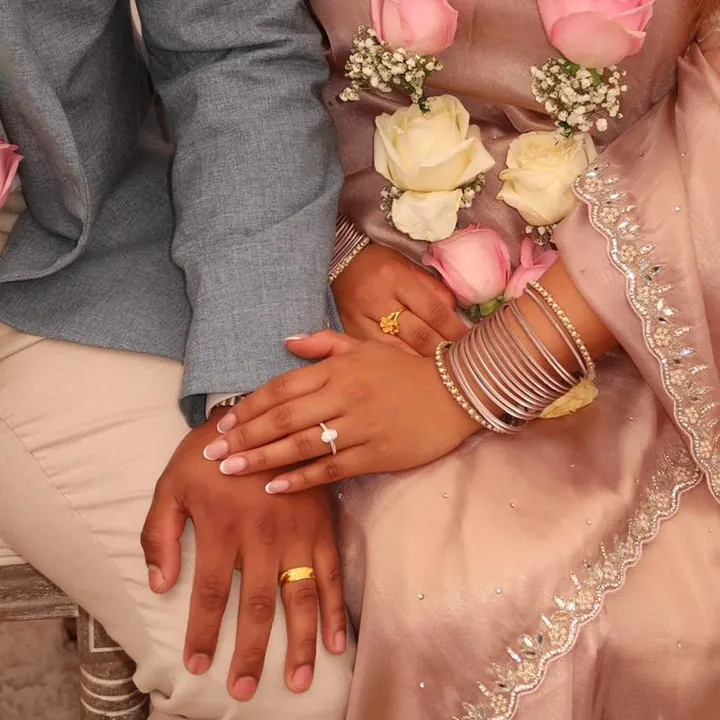
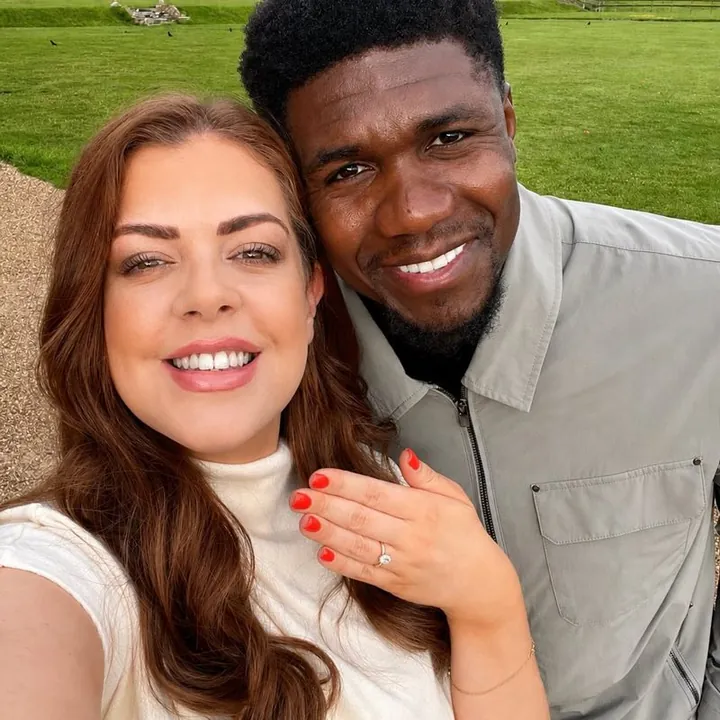
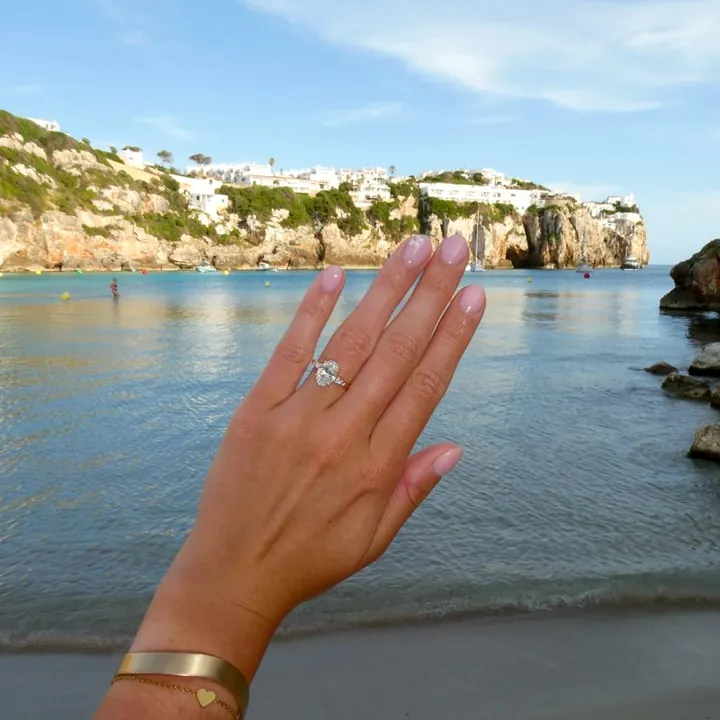
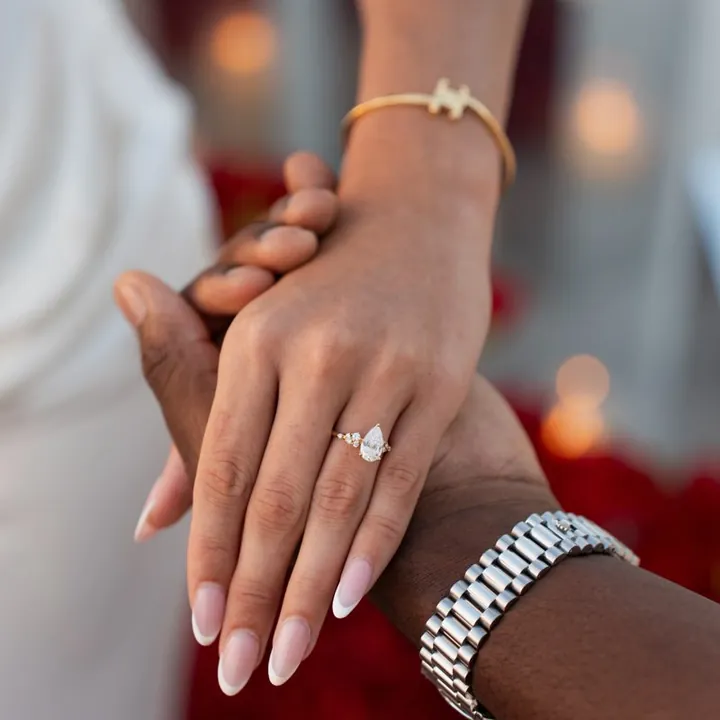
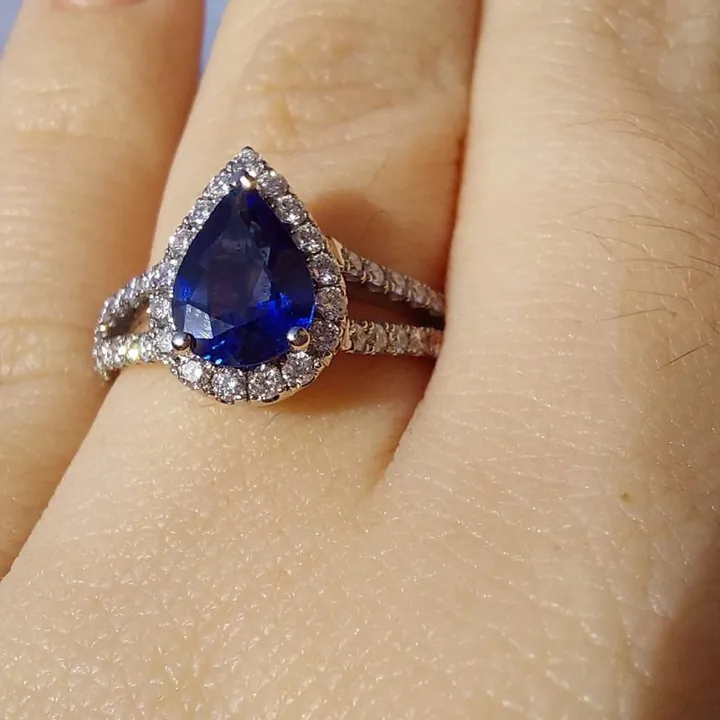
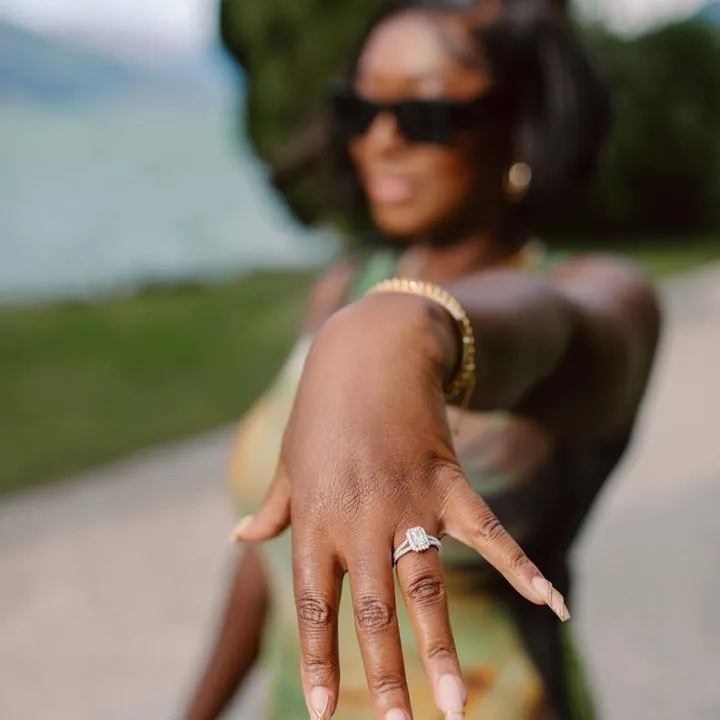
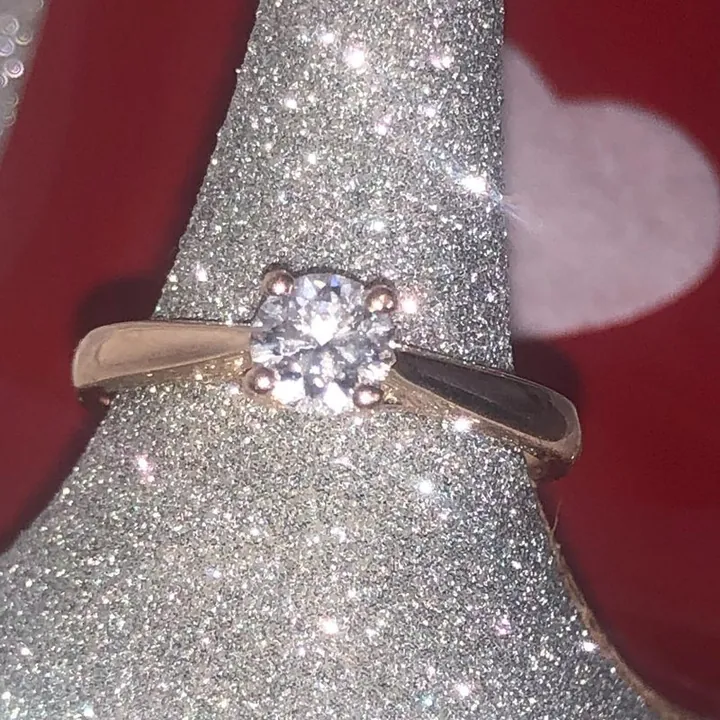
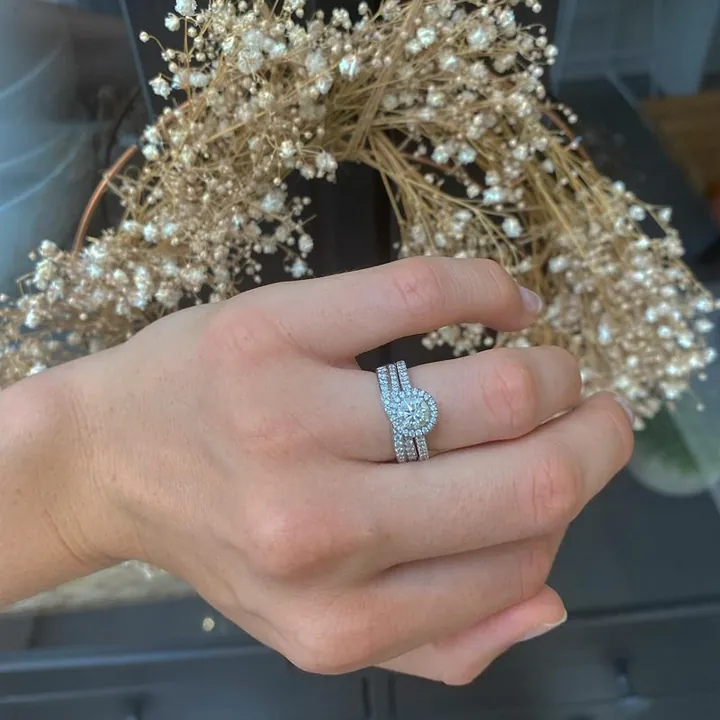
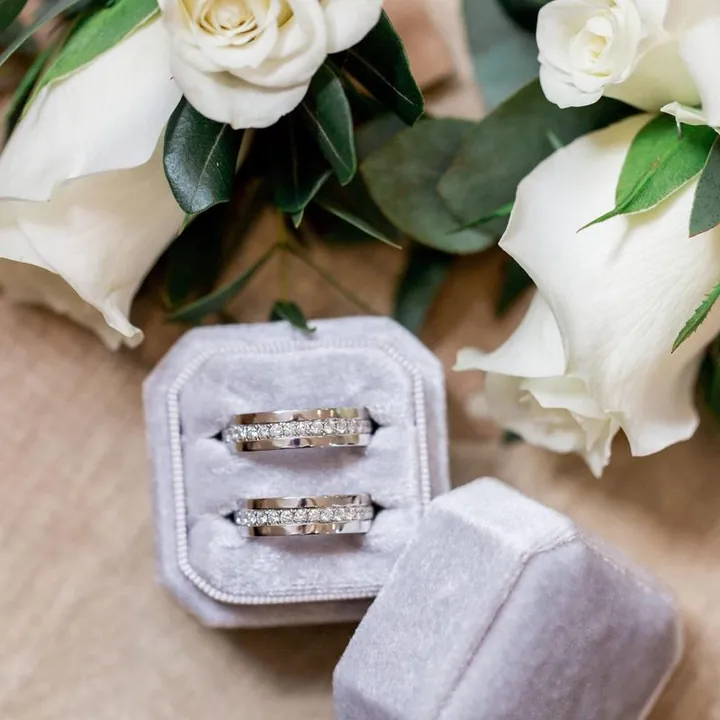
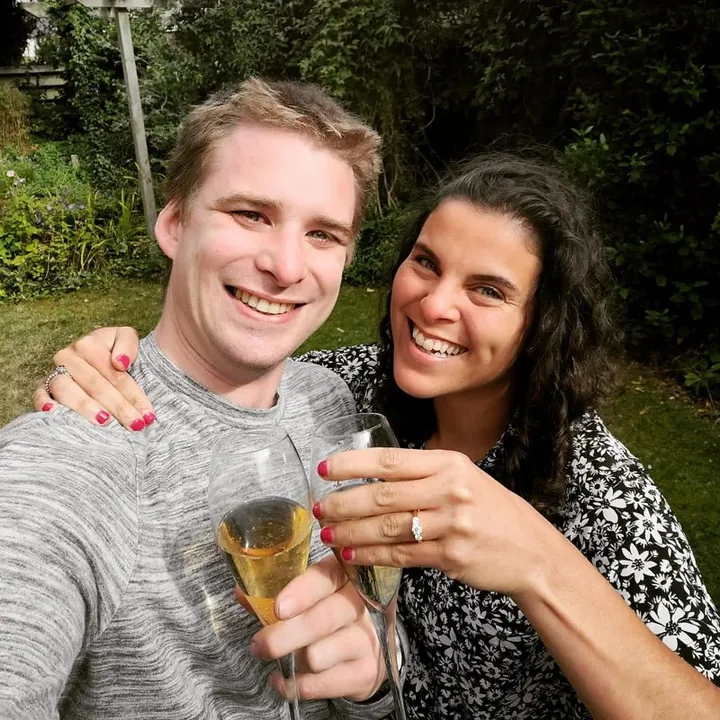
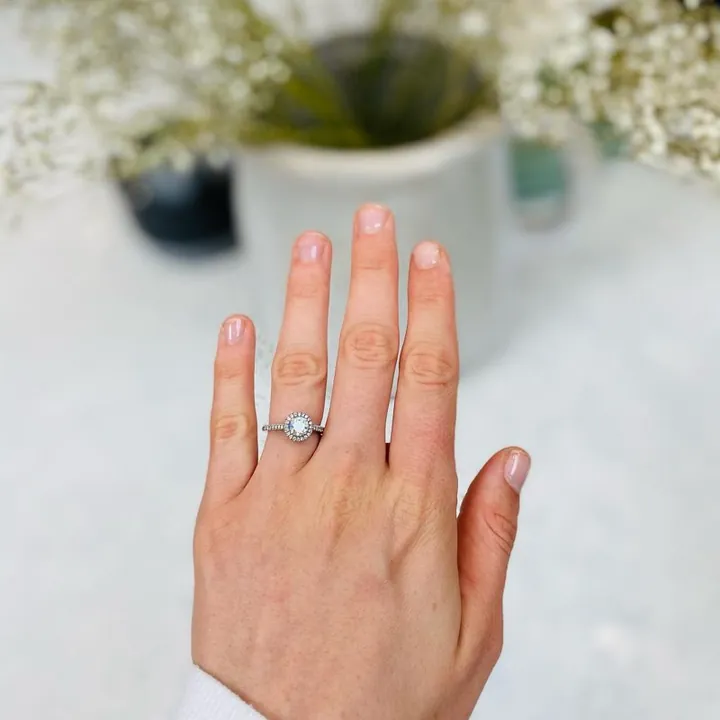
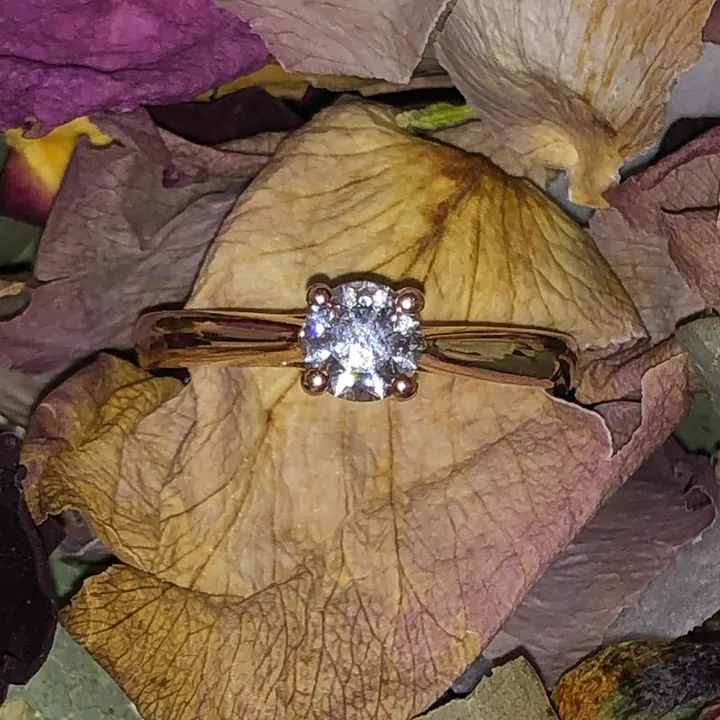
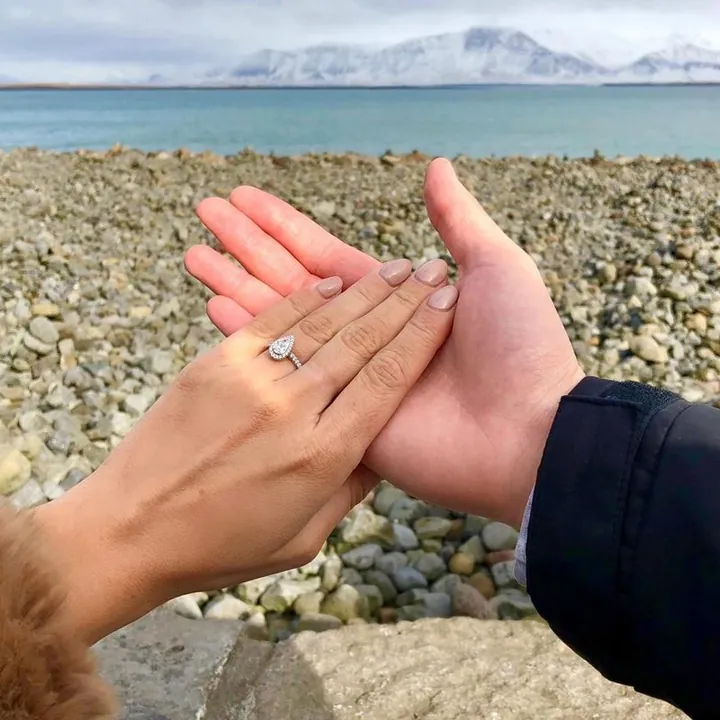
Some of our happy ever afters





Read up first
Lab-grown diamonds: your questions
At our Hatton Garden showroom on Ely Place, London EC1N, you can compare lab-grown and natural diamonds side by side before you choose. We also have a showroom on King Street, Manchester, and every design we offer can be bought online.
Wherever you buy, we recommend you ask for the certificate. Every lab-grown stone we set comes with an IGI report, which records its carat, colour and clarity, describes the cut, and states that it was grown in a laboratory; our natural stones come with a GIA report. Compare stones on those grades, side by side, rather than on the name of the shop.
No. A lab-grown diamond reflects light just like a natural one, and its sparkle comes from the cut, so it lasts a lifetime. Everyday build-up of oil, hand cream and dirt can dull any diamond, so give it a gentle clean with warm soapy water and a soft toothbrush. We’ll also clean your ring as part of its free annual check-up.
On our website, a 1 carat lab-grown diamond in G colour and VS2 clarity is currently £840. A natural diamond of the same grade is £3,840. Our solitaire settings start from £1,300, so a complete 1 carat lab-grown engagement ring starts from £2,140. All prices include VAT, and every design can be set with a lab-grown or natural diamond.
A lifetime, just like a natural diamond. It’s the same material with the same hardness, so it keeps its colour and clarity and won’t scratch in everyday wear. Like any diamond, it can chip if it takes a hard knock on an edge, which is why we recommend insuring your ring.
See a lab-grown stone before you decide
Hatton Garden, on Ely Place, and King Street, Manchester. Want the whole range? Engagement rings