Journal · 4 September 2026
Which Hand Wears a Wedding Ring?
Wondering which hand wears a wedding ring in the UK? Discover the tradition, global customs and practical advice for choosing a wedding band confidently.
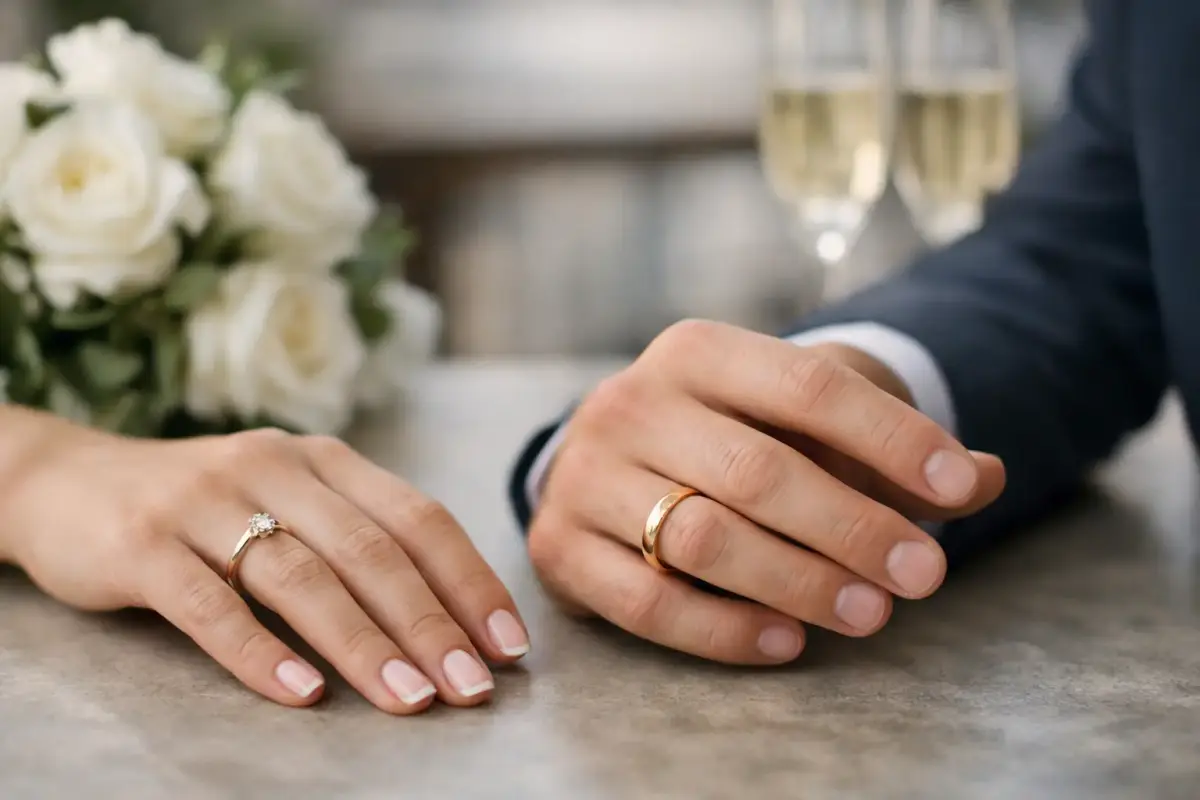
A wedding band may be a small piece of jewellery, but the hand it sits on carries centuries of meaning. If you are asking which hand wears wedding ring traditions in the UK, the usual answer is the left hand, on the fourth finger – often called the ring finger. Yet, like every meaningful detail of a wedding, there is room to make the choice your own.
For some couples, wearing a wedding band in the traditional position feels like a quiet connection to generations before them. For others, heritage, faith, comfort or the design of an existing engagement ring points them towards a different choice. The most beautiful answer is the one that feels right for your love story.
Which hand wears a wedding ring in the UK?
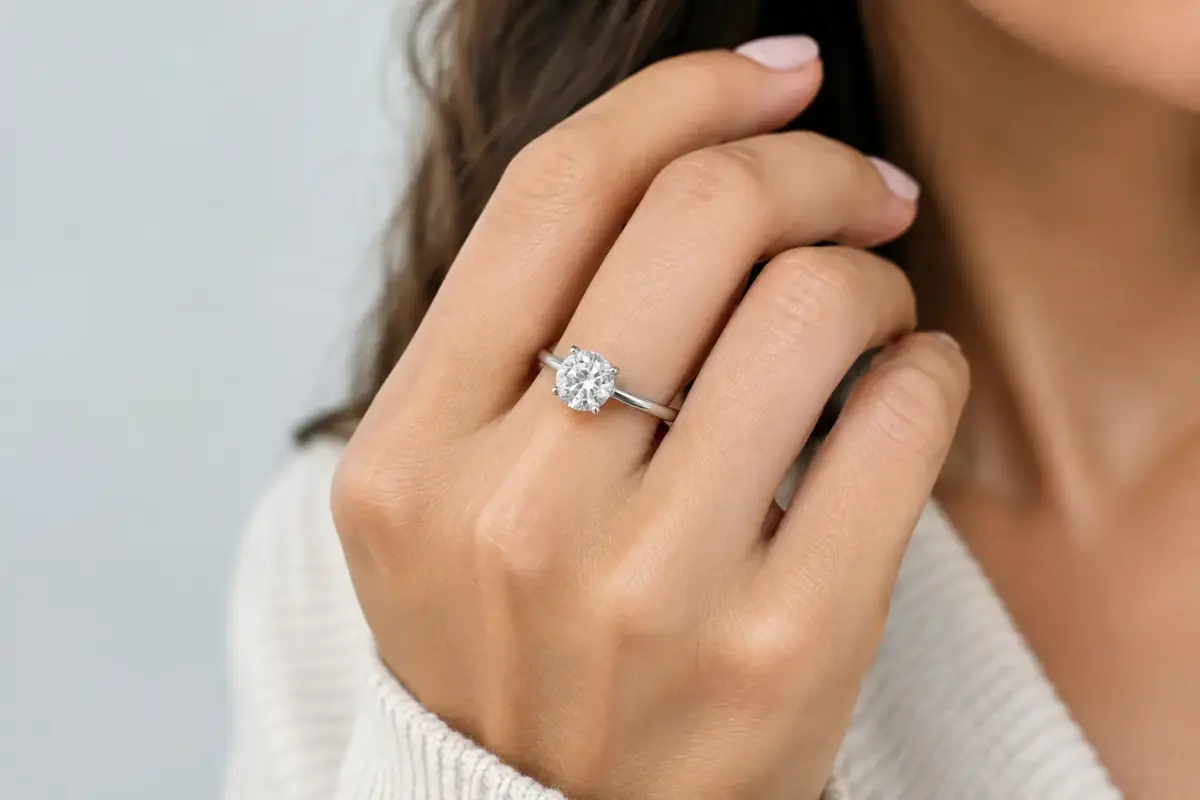
In the UK, a wedding ring is traditionally worn on the fourth finger of the left hand. This is the finger beside the little finger, where an engagement ring is also usually worn. After the wedding ceremony, many people place their wedding band on first, closest to the heart, then wear the engagement ring above it.
The custom is linked to an ancient Roman belief that a vein, the vena amoris or “vein of love”, ran directly from this finger to the heart. Modern anatomy does not support the idea, but its romantic symbolism has endured. A wedding band worn closest to the hand is said to represent the foundation of marriage, while the engagement ring above it marks the promise that came before.
This order is a convention rather than a rule. Some people prefer the visual balance of wearing their rings differently, particularly if it has an intricate setting, a shaped band or a prominent centre diamond. A jeweller can advise on how the two will sit together before a final decision is made.
Why some people wear their wedding band on the right hand
The right hand is the traditional wedding-ring hand in several countries and cultures. In parts of Europe, including Germany, Poland, Norway, Denmark and Greece, married couples commonly wear their bands on the right. This can reflect local custom, religious practice or family tradition.
In some Orthodox Christian traditions, the right hand has particular significance, as it is associated with strength, honour and making vows. Jewish wedding ceremonies may involve placing it on the bride’s right index finger during the ceremony, although it may later be moved to the left hand for everyday wear.
For couples from different cultural backgrounds, there is no need to choose one tradition over another simply for appearances. You may wear your rings on different hands, follow the tradition that feels most meaningful to you, or create a new shared ritual. A wedding band is not less significant because it sits on the right hand rather than the left.
Engagement ring and wedding band: what happens on the day?
A common question before the ceremony is what to do with an engagement ring already worn on the left hand. Traditionally, the engagement ring is moved temporarily to the right hand before the ceremony. This leaves the left hand clear, allowing the wedding band to be placed there first during the exchange of rings.
Afterwards, the engagement ring can be returned to the left hand and worn above the wedding band. It is a small but meaningful detail, and it also prevents the celebrant or partner from having to negotiate a stack of jewellery at the altar.
There is no obligation to follow this order. Some people leave the engagement ring in place throughout the ceremony. Others do not wear one at all, or choose to wear their wedding band alone for work, travel or daily life. The ceremony should feel comfortable and personal, not governed by a rulebook.
Choosing a wedding band that sits beautifully
The hand you choose is only one part of the decision. A wedding band should feel effortless to wear and complement your existing jewellery without competing with it. The right pairing depends on the setting, profile and proportions of both pieces.
A classic straight band often sits neatly beneath a solitaire engagement ring with a raised setting. If the centre stone is lower, or if the setting has a halo, pear-shaped diamond or ornate gallery, a shaped or contoured wedding ring may be a better fit. This follows the curve of the setting and allows the two pieces to sit closely together.
Metal choice also matters. Matching the colour of your wedding band to your engagement ring creates a cohesive look, whether that is platinum, yellow gold, rose gold or white gold. Mixing metals can be equally elegant, however. A yellow gold band beside a platinum engagement ring offers a more individual, softly contrasting finish.
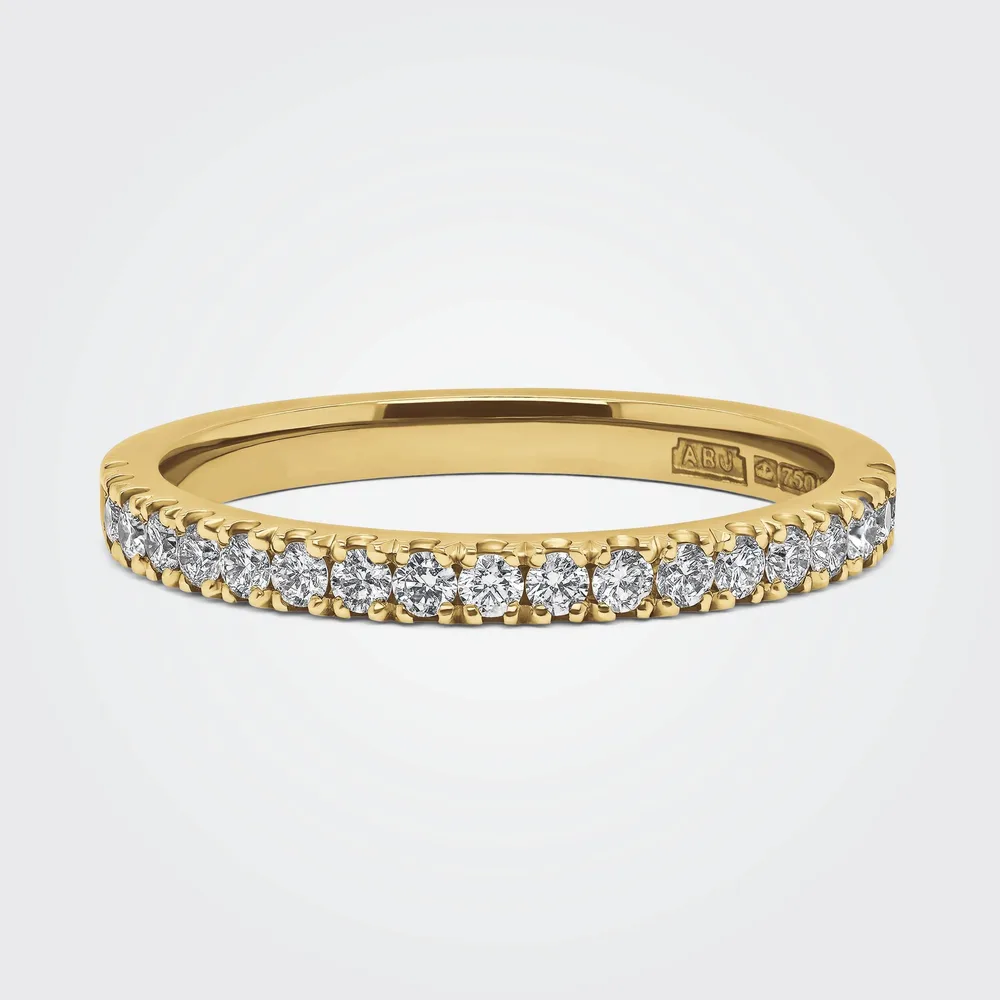
When choosing diamond-set wedding bands, consider how much brilliance you want for everyday wear. A delicate pavé band can bring light to a simple engagement ring, while a plain polished band offers a timeless counterpoint to a diamond-rich design. Comfort-fit interiors, considered widths and professional sizing all make a genuine difference over years of wear.
Practical reasons to choose one hand over another
Tradition is lovely, but everyday life deserves consideration too. If you are left-handed and regularly work with your hands, wearing it on the right hand may feel more natural – or the reverse may be true for someone right-handed. Healthcare professionals, tradespeople, athletes and those who use gloves frequently may choose a lower-profile band, a more durable metal or a band reserved for occasions outside work.
Jewellery should never feel restrictive. Fingers can change slightly in size with temperature, exercise, pregnancy and time of day. It is wise to have your wedding ring professionally measured and to consider the width of the band, as wider designs can feel tighter than slender ones in the same size.
If your engagement ring and wedding band are being chosen separately, bring the engagement ring to your appointment. Seeing them together is the clearest way to judge their fit, height and overall proportion. Bespoke design can be especially valuable when you would like a band shaped precisely around an existing ring, creating a set that looks considered from every angle.
Do both partners need to wear their bands the same way?
Not at all. Couples often assume they must mirror one another, but wedding jewellery can be personal while still representing the same commitment. One partner may wear a classic yellow gold band on the left hand, while the other chooses platinum on the right. One may prefer a traditional plain profile, while the other selects a diamond-set eternity-style design.
The shared meaning comes from the promise behind the rings, not from identical metal, width or placement. This is particularly relevant for couples combining cultural traditions, as well as those who want jewellery that suits their individual style and lifestyle.
Some people also choose a finger for sentimental rather than cultural reasons. A family heirloom may have always been worn on a particular hand. Others may wear a wedding band on the right hand to distinguish it from an engagement ring or another treasured piece. These choices add character to jewellery that will become part of your everyday life.
A choice worth making with confidence
Whether you choose the left hand in keeping with UK tradition or the right hand to honour family, faith or personal comfort, your wedding ring should feel entirely yours. Take time to try on different band profiles, consider how they sit beside an engagement ring, and think about the life your jewellery will share with you.
At Alan Bick, expert guidance and thoughtful craftsmanship help couples choose wedding bands that are as practical as they are romantic. The finest choice is not simply the one tradition suggests, but the one you will be proud to wear through every ordinary day and every extraordinary milestone.

Not sure where to start? Come and meet us over a single malt or a coffee, and try the rings on. We'll walk you through everything at your pace.
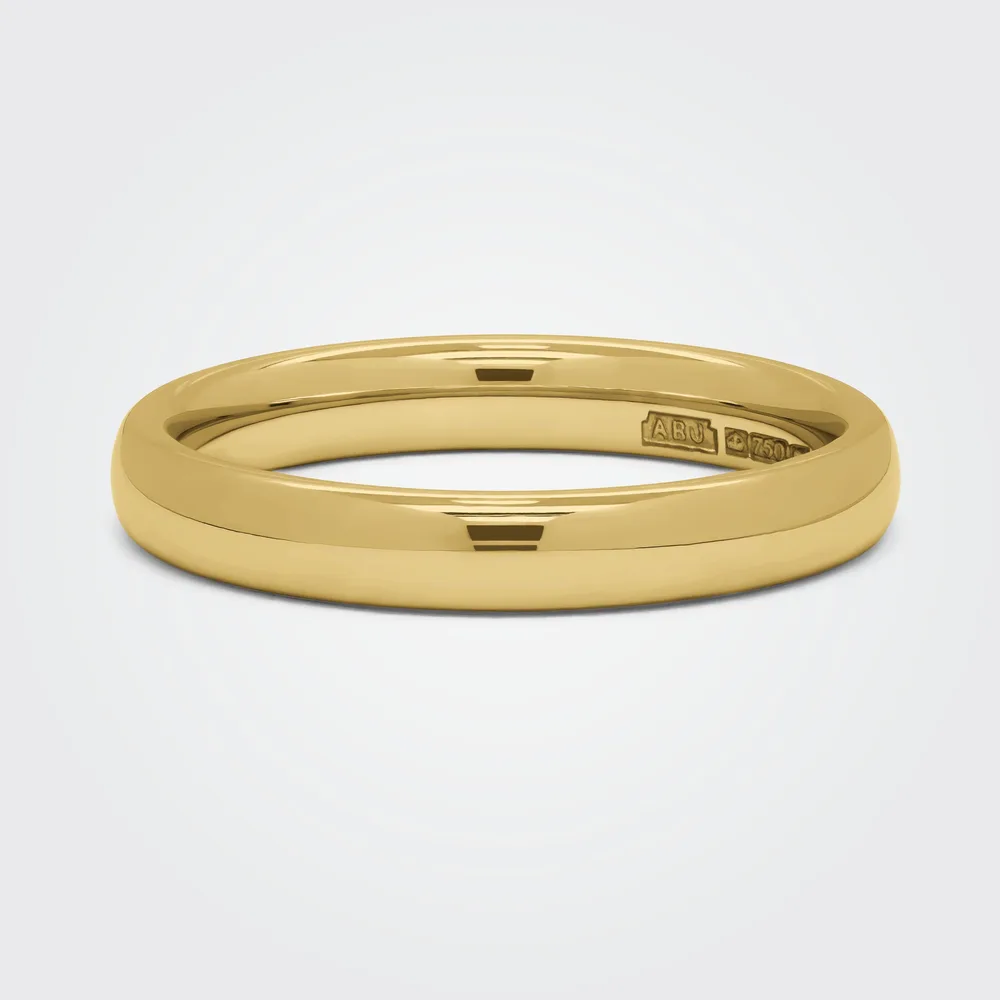
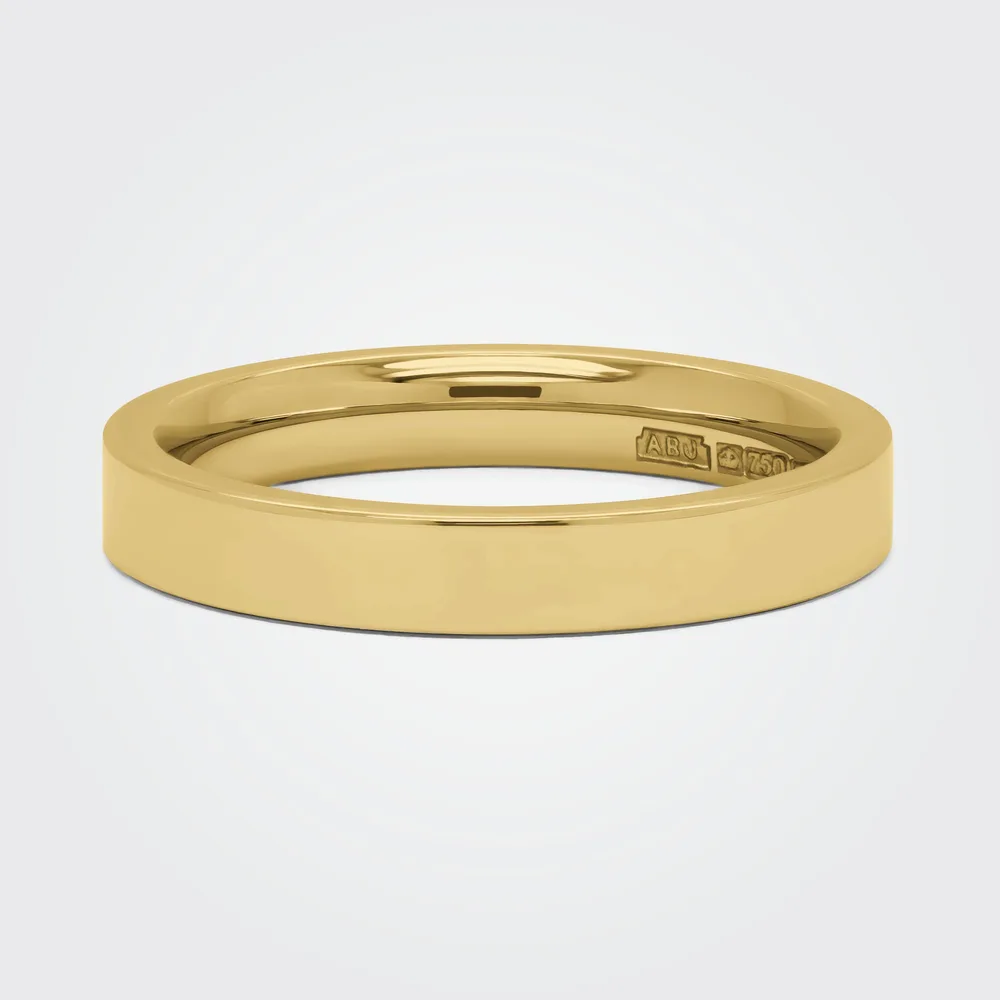
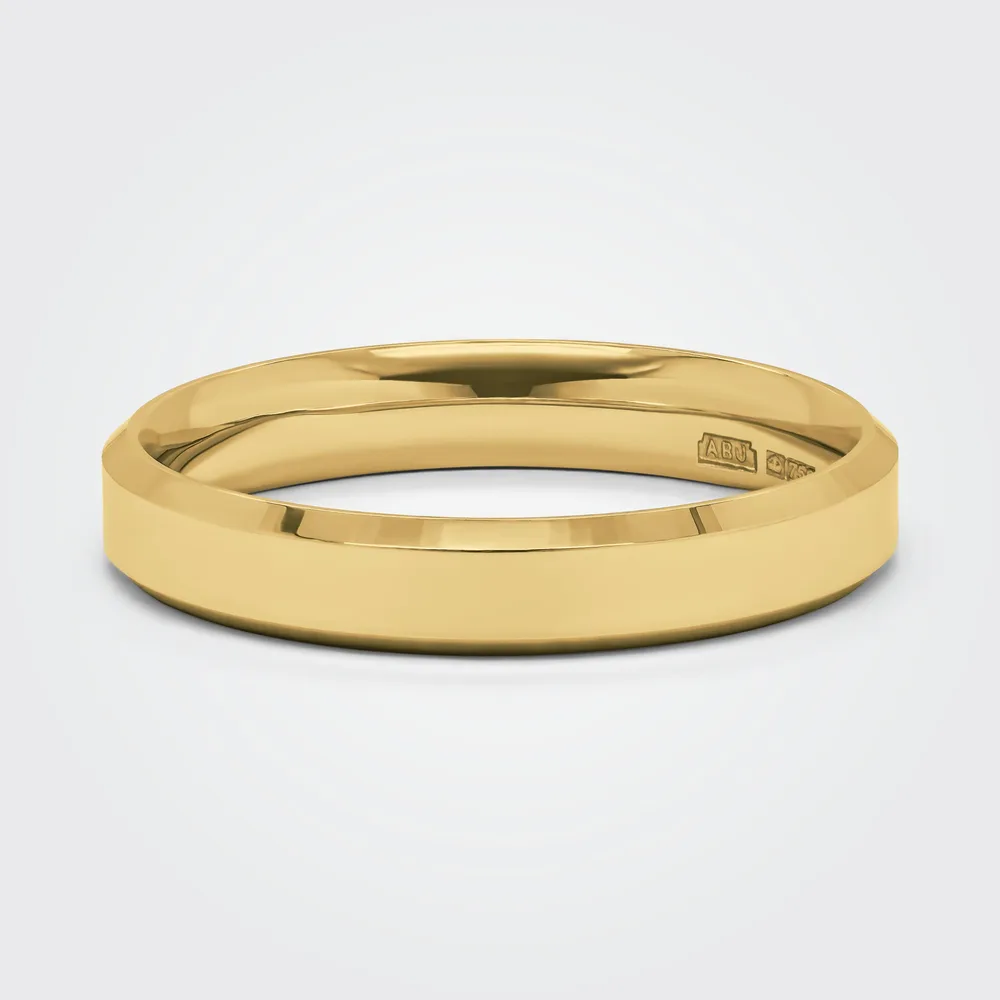
See them before you decide
Hatton Garden, on Ely Place, and King Street, Manchester. Looking for something to go with it? Wedding bands